The World Health Organization is launching a new effort to bring mental-health services closer to ordinary communities, starting with programmes in Jordan and Nepal.
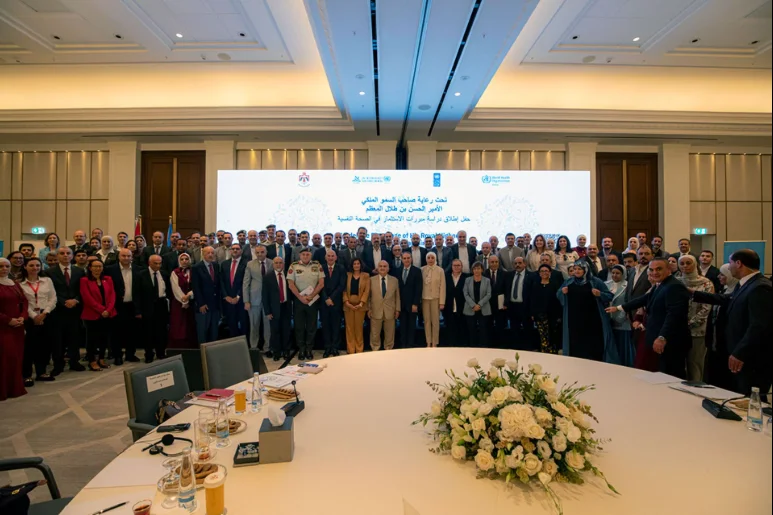
WHO announced the partnership with Lions Clubs International Foundation on Friday, 14 August 2026, as the organizations seek to reduce one of the largest gaps in modern healthcare: millions of people experiencing mental-health conditions but unable to obtain appropriate support.
The programme will concentrate on strengthening mental-health services within primary healthcare and community settings, rather than relying exclusively on specialized psychiatric hospitals and professionals.
That distinction could be important.
In many countries, specialized mental-health professionals are concentrated in major cities, leaving people in smaller communities with limited options for receiving treatment. Integrating mental-health support into primary healthcare can make assistance available through facilities people already use for other medical needs.
Health workers will receive additional training
A major component of the initiative will involve strengthening the ability of healthcare workers to recognize and respond to mental-health conditions.
Training general healthcare professionals can expand the number of places where people can receive initial assessment and support.
It can also improve early detection.
Someone experiencing depression, anxiety or another condition may initially visit a health facility because of sleeping difficulties, physical symptoms or other concerns rather than specifically requesting mental-health treatment.
Healthcare workers who are better prepared to recognize those signs can help connect patients with appropriate care earlier.
Jordan and Nepal become initial focus countries
The programme will initially concentrate resources in Jordan and Nepal, where WHO and its partners will work to strengthen locally accessible services.
Although the two countries have different health systems and social conditions, they share a challenge faced by many nations: demand for mental-health support can considerably exceed the specialist services available.
Community-based approaches provide one way of narrowing that gap.
Instead of requiring every patient to reach a psychiatrist or specialized institution, appropriately trained primary-care teams can provide certain forms of assessment, treatment and continuing support while referring more complex cases to specialists.
A billion-person global challenge
The scale of the problem extends far beyond Jordan and Nepal.
WHO says more than one billion people around the world are living with a mental-health condition.
Yet access to care remains deeply unequal.
Financial barriers, shortages of trained professionals, geographic isolation and stigma can all prevent people from seeking or receiving treatment.
Expanding services therefore requires more than building additional hospitals.
Countries also need systems capable of delivering support through local clinics and communities, where people can access assistance without travelling long distances or facing prohibitively high costs.
Tackling stigma alongside treatment
Another important challenge is changing how mental-health conditions are perceived.
People may avoid seeking assistance because they fear discrimination from relatives, employers or their communities.
Community-level programmes can help address this by making mental-health care a more routine part of healthcare rather than something separated from other medical services.
When a person can discuss psychological health through the same healthcare system used for physical illness, seeking help can gradually become more normalized.
Why this matters
Mental-health conditions can affect education, employment, relationships and physical health, meaning their consequences extend well beyond individual patients.
Untreated conditions can also create significant economic and social costs for families and health systems.
The new WHO partnership reflects an increasingly important principle in global health: mental-health treatment needs to move closer to where people actually live.
Specialist psychiatric services will continue to play a crucial role, particularly for complex conditions. But specialists alone cannot meet the needs of more than a billion people.
Training primary-care workers, strengthening community services and improving early detection can dramatically expand the number of people health systems are capable of reaching.
The initiative announced on 14 August 2026 will now put that approach into practice in Jordan and Nepal.
If it succeeds, the lessons learned could help inform similar community-based mental-health programmes elsewhere—turning two national projects into models for addressing a health challenge affecting people across virtually every country in the world.