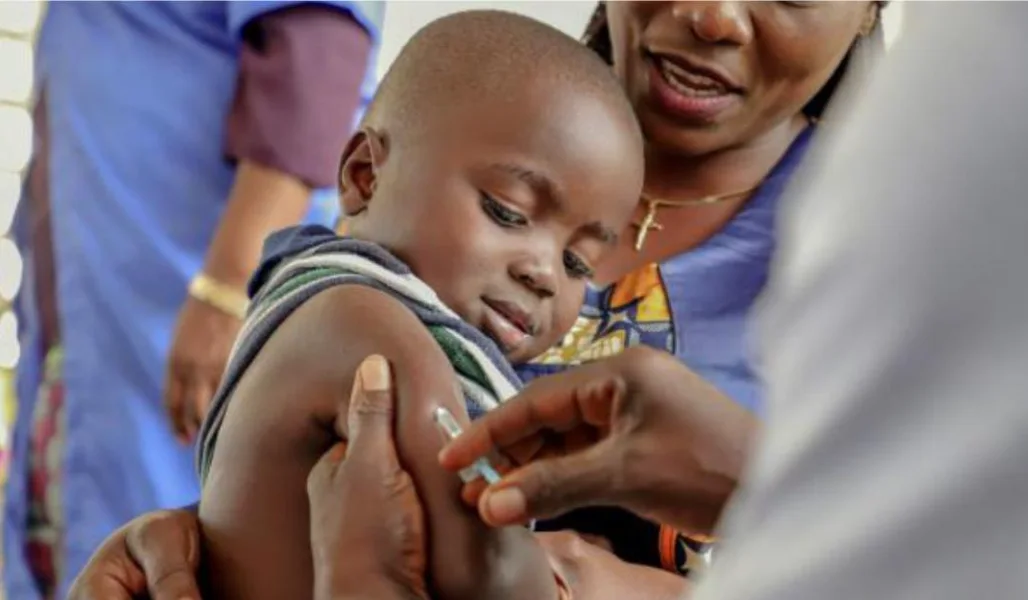
A major international debate over childhood vaccination intensified on 12 August 2026 as global health authorities publicly defended established immunisation schedules and rejected claims connecting vaccines with autism.
The World Health Organization said decades of research have established when children are most vulnerable to infection, when vaccines offer the strongest protection and which doses can safely be administered together.
WHO Director-General Dr Tedros Adhanom Ghebreyesus warned that delaying vaccinations or unnecessarily separating doses does not improve safety. Instead, longer schedules can create periods during which children remain exposed to preventable diseases.
The statement followed an executive order signed by US President Donald Trump on 10 August. The order reorganises federal childhood-vaccine recommendations into three categories: vaccines recommended for every child, vaccines intended for certain high-risk populations and those offered through a decision shared between families and healthcare professionals.
It also directs US agencies to pursue separate vaccines for measles, mumps and rubella once individual products become domestically available. The combined MMR vaccine would continue to be accessible, while federal officials explore additional choices for parents.
However, no separate measles, mumps or rubella vaccines are currently licensed in the United States. Single-disease versions have not been available there since 2008.
Merck and GSK, the manufacturers licensed to produce combined MMR vaccines in the country, said there is no published evidence showing that separating the three components would offer a medical advantage. Merck estimated that developing, testing, obtaining approval for and commercially producing new single-disease vaccines could take several years—and possibly as long as a decade.
Producing three separate vaccines would require independent manufacturing processes, safety trials, regulatory reviews and supply chains. It would also mean more injections and potentially more medical appointments for children.
Public health specialists are concerned that a longer process could increase the number of partially vaccinated children. A family that completes a first appointment but misses later visits might leave a child protected against one illness but vulnerable to the other two.
Measles is especially concerning because it spreads extremely easily through the air. Reduced vaccination coverage can quickly produce outbreaks, particularly in schools, childcare centres and other crowded environments.
The British Medicines and Healthcare products Regulatory Agency joined the international response on Wednesday. It said large, carefully conducted studies involving millions of children had repeatedly found no evidence that vaccines cause autism.
The agency urged parents to continue following the United Kingdom’s routine childhood-immunisation programme, which protects against illnesses including measles, meningitis and whooping cough. It also noted that authorised vaccines continue to be monitored for safety after entering the market.
WHO reached the same conclusion after reviewing decades of international research. Its Global Advisory Committee on Vaccine Safety assessed 31 primary studies published between 2010 and August 2025 and found no causal relationship between autism and childhood vaccines—including products containing aluminium or the preservative thiomersal.
The controversy arrives as several countries confront the return of diseases that had previously been brought under control. Health officials say declining vaccination rates, misinformation, disrupted healthcare services and missed appointments are creating new opportunities for measles and other infections to spread.
Supporters of the US policy argue that parents should have more control over how and when their children receive vaccines. The executive order also calls for continued safety monitoring, research into alternative vaccine ingredients and regular reassessment of risks and benefits using domestic and international evidence.
The White House states that the changes are intended to preserve access to currently available vaccines while increasing parental choice. It directs federal officials to develop an implementation plan within 90 days.
Critics do not oppose continued vaccine-safety research. Their concern is that changing schedules without evidence of a health benefit could create confusion and weaken confidence in vaccination at a time when high coverage is necessary to prevent outbreaks.
The issue extends beyond the United States. Decisions made by a major global health and pharmaceutical market can influence public opinion, vaccine manufacturing and political debates in other countries. Misleading claims originating in one nation can travel rapidly across social-media platforms and affect vaccination programmes thousands of kilometres away.
For families, the disagreement may appear complicated, but the current scientific position remains clear: the combined MMR vaccine has a long-established safety record, and extensive research has found that it does not cause autism.
The larger question is whether health systems can maintain public trust while political leaders, medical organisations and regulators offer sharply different messages. Vaccines work most effectively when protection is widespread. Once confidence falls, the consequences may not remain confined to one family—or one country.