The world's leading health, agriculture, animal-health and environmental organizations are extending a major international strategy designed to confront diseases and other threats that cannot be solved by the health sector alone.
On 14 August 2026, WHO, FAO, UNEP and WOAH announced that their One Health Joint Plan of Action will continue through 2029, giving countries additional time and support to turn the global strategy into practical national programmes.
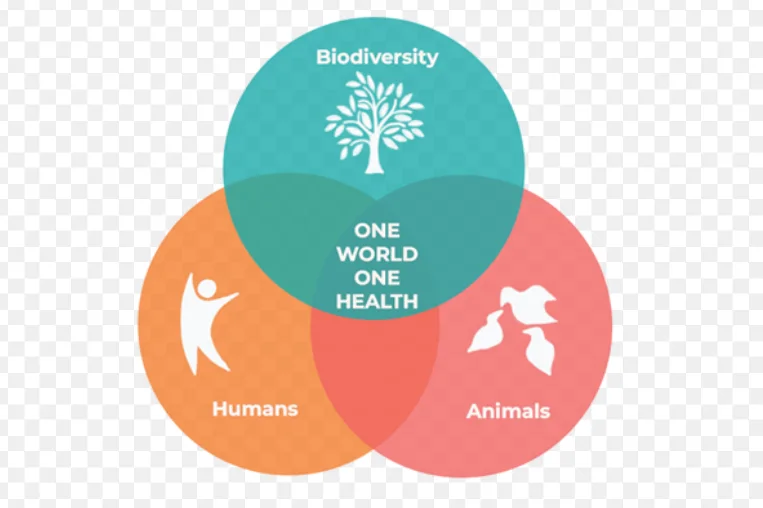
The decision reflects a growing understanding that human health cannot be separated from the health of animals and the environment.
Many infectious diseases capable of threatening people originate in animals. Environmental disruption, changing ecosystems, intensive food production and increased interaction between humans and wildlife can also create conditions in which pathogens emerge or spread.
The One Health approach attempts to bring those interconnected risks under one strategy.
Four global organizations unite around one strategy
The initiative is led by a partnership known as the Quadripartite, consisting of WHO, FAO, UNEP and WOAH.
Each organization contributes expertise from a different part of the global health system.
WHO focuses on human health, FAO brings expertise in agriculture and food systems, WOAH addresses animal health, while UNEP contributes the environmental dimension.
Instead of responding to a disease only after large numbers of people become infected, One Health encourages governments to examine how threats may emerge across animals, food systems, ecosystems and human populations.
That can allow authorities to identify risks earlier and coordinate responses across ministries that might otherwise operate separately.
Antimicrobial resistance remains a major concern
One important area covered by the strategy is antimicrobial resistance (AMR).
Antibiotics and other antimicrobial medicines are essential for treating infections in both humans and animals. But excessive or inappropriate use can encourage microorganisms to develop resistance.
Once that happens, medicines that previously killed dangerous bacteria may become less effective.
Addressing AMR therefore requires action not only in hospitals but also in agriculture, veterinary medicine, food production and environmental management.
A One Health system can help governments examine antimicrobial use across all of these sectors instead of treating resistance exclusively as a medical problem.
Preventing the next disease outbreak
The strategy is also important for preparing for future infectious-disease outbreaks.
Diseases capable of moving between animals and humans can emerge long before hospitals begin seeing large numbers of patients.
Monitoring animal populations, farms, wildlife and environmental conditions can provide early warning signals.
That makes cooperation between veterinarians, doctors, epidemiologists, farmers, laboratories and environmental scientists increasingly important.
The extended plan seeks to help countries build those connections into their national health-security systems.
Greater focus on implementation
The next phase will concentrate heavily on translating international commitments into national action.
The organizations say the extended framework will strengthen areas including implementation, financing, accountability and measurement of results.
That distinction matters.
International health strategies can establish ambitious objectives, but their impact ultimately depends on whether countries have the financing, institutions, laboratories, trained personnel and surveillance systems needed to implement them.
The extension through 2029 gives governments and international partners additional time to embed One Health approaches into national programmes.
Why this matters
Some of the world's biggest health threats do not respect the traditional boundaries separating medicine, agriculture and environmental protection.
An emerging infection in animals can become a human epidemic. Misuse of antibiotics in one sector can contribute to drug resistance affecting another. Environmental changes can alter where disease-carrying animals and insects survive.
The One Health approach recognizes those connections before a crisis develops.
Today's announcement therefore represents more than an extension of an international programme.
It reflects a broader change in how global health organizations believe future health emergencies should be prevented: not by waiting until people become sick, but by watching the entire system connecting humans, animals and the environment.
With the Joint Plan now extended through 2029, the challenge will be turning that global vision into functioning surveillance, prevention and response systems inside individual countries.
If that succeeds, the benefits could extend far beyond preventing individual outbreaks. Stronger One Health systems could improve food safety, slow antimicrobial resistance, strengthen pandemic preparedness and give governments an earlier warning when the next major health threat begins to emerge.