Indonesia is turning political commitments into a nationwide public-health drive against one of humanity's oldest infectious diseases.
In an update published on 14 August 2026, the World Health Organization detailed a strengthened effort involving Indonesia's Ministry of Health, provincial governments and health partners to accelerate the elimination of leprosy, also known as Hansen disease.
The announcement puts renewed attention on a disease that is curable but continues to affect thousands of Indonesian families.
More Than 16,000 New Cases in One Year
Indonesia reported more than 16,000 new leprosy cases during 2025. Particularly concerning is the continued presence of the disease among children: 9.1% of newly detected cases involved children.
Cases among younger people are an important warning sign because they indicate that transmission is continuing within households and communities.
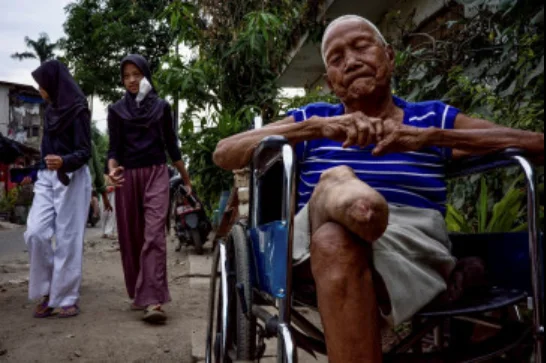
Late diagnosis creates another challenge. People who do not receive treatment early can face a greater risk of disability, while stigma surrounding the disease can discourage some patients from seeking medical assistance.
Governors Put Their Names Behind Elimination Drive
A central part of the new push is political commitment at the provincial level.
During Indonesia's 2026 National Leprosy Conference, 11 governors and three vice governors signed a Commitment Declaration for Accelerating Leprosy Elimination. The conference was convened by the Ministry of Health with WHO support and brought together government officials, provincial representatives, development partners and people directly affected by the disease.
The commitment could have practical financial consequences.
A 2025 regulation from Indonesia's Ministry of Home Affairs requires subnational governments to allocate funding to priority diseases, including leprosy. Provincial leadership will therefore be crucial in translating the national requirement into funded programmes on the ground.
The Strategy Goes Beyond Treating Existing Patients
Indonesia's campaign is not focused solely on treating people who already arrive at hospitals with symptoms.
WHO is encouraging authorities to strengthen active case detection, early diagnosis, completion of treatment, post-exposure prophylaxis for eligible contacts, rehabilitation services and programmes designed to reduce stigma.
Finding infections earlier could be particularly important. Early diagnosis allows treatment to begin before the disease causes more serious complications and gives health authorities an opportunity to investigate people who may have been exposed.
Community participation is another part of the strategy.
In Jongaya, Makassar, for example, healthcare workers and community members have been trained to recognize early signs of leprosy and help people obtain diagnosis and treatment. Peer counselling is also being used to challenge the discrimination historically associated with the disease.
Fighting the Disease Means Fighting Stigma
The public-health challenge does not end when medicine becomes available.
Fear and misconceptions surrounding leprosy can affect people's education, employment and social relationships. That is why Indonesian authorities and WHO are treating stigma reduction as part of the elimination strategy rather than as a separate social issue.
Provincial governments are now expected to turn the national commitments into regional action plans, including programmes covering financing, surveillance, case management and community interventions. WHO says it will provide technical assistance alongside the Ministry of Health and the Sasakawa Health Foundation.
Why This Matters
Indonesia's campaign could have implications beyond its borders.
WHO reported 172,717 leprosy cases across 133 countries in 2024, showing that despite enormous progress over previous decades, the disease has not disappeared.
Indonesia's situation also demonstrates why simply having an effective treatment is not enough to eliminate an infectious disease. Patients must be detected early, contacts need appropriate preventive interventions, healthcare must reach vulnerable communities, and people must feel safe seeking treatment without fearing discrimination.
The latest commitment from provincial leaders therefore represents more than another health declaration.
If adequate funding and local implementation follow, Indonesia could move closer to interrupting transmission while demonstrating how political leadership, community participation and modern public-health strategies can work together against a disease that has affected humanity for centuries.