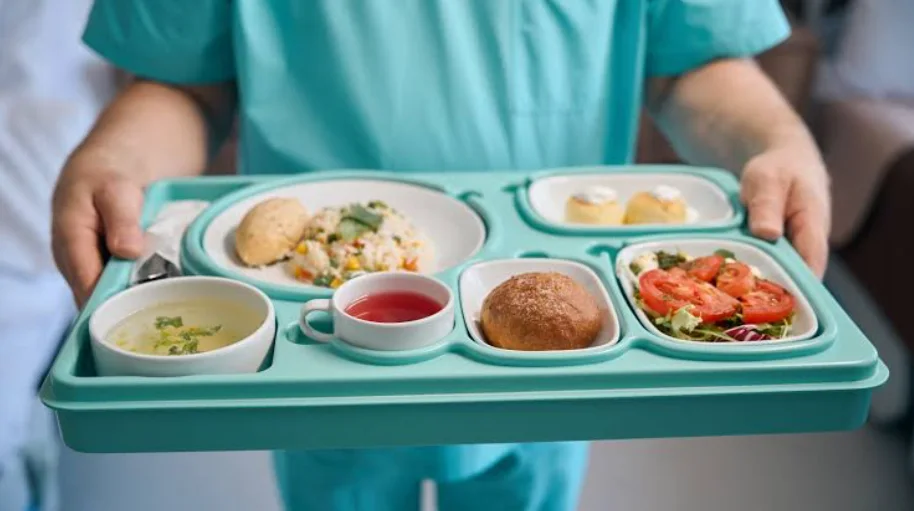
For generations, hospital care has largely been associated with medicines, surgery, diagnostic technology and highly trained medical professionals. Now, another part of the patient experience is receiving greater attention: what is served on the plate.
On Friday, 14 August 2026, the U.S. Department of Health and Human Services announced that prominent hospital systems connected to leaders of the American Hospital Association have joined the government's Make Hospital Food Healthier Pledge.
The development represents another step in an effort to make nutrition a more visible part of healthcare rather than treating hospital meals simply as a supporting service.
Hospitals Are Being Asked to Rethink the Patient Menu
The initiative challenges hospitals to review the types of food and drinks available to patients and move their menus toward foods consistent with current U.S. dietary guidance.
Among the recommended changes are reducing ultra-processed foods and sugar-sweetened beverages, limiting processed meats and foods high in added sugars, sodium and artificial additives, and replacing deep frying with cooking methods such as baking, roasting, grilling, broiling and stir-frying.
Hospitals participating in the initiative are also encouraged to serve more vegetables, fruits, legumes, nuts, seeds, seafood, whole grains and minimally processed sources of protein.
The idea is straightforward: a healthcare facility treating illnesses linked to poor nutrition should also consider whether the food it serves supports a patient's recovery and longer-term health.
Hospital Leaders Add Weight to the Campaign
Today's announcement is significant because the new commitments involve health systems represented by the past, current and incoming leadership of the American Hospital Association, one of the country's major hospital organizations.
That gives the initiative greater visibility within the healthcare industry and could encourage additional hospitals to reconsider their own menus, food-purchasing practices and nutrition programs.
The pledge itself is voluntary, but its ambitions extend beyond simply changing meals.
HHS describes four broad areas of action: improving hospital food, expanding healthier choices for patients and visitors, strengthening nutrition education, and extending nutrition initiatives into surrounding communities.
From Treatment to Prevention
The announcement also reflects a broader debate about the role hospitals should play in preventing disease.
Hospitals traditionally intervene after people become sick or injured. Nutrition-focused programs attempt to move part of that attention further upstream by addressing factors associated with chronic illnesses before they become more serious.
The federal initiative argues that hospital food can influence recovery, long-term health and patients' ability to manage chronic conditions after leaving medical care.
That does not mean food replaces medicine or established clinical treatment. Instead, the approach places nutrition alongside other elements of patient care.
The Movement Has Been Building
The hospital-food campaign itself did not begin today. HHS and the Centers for Medicare & Medicaid Services launched the nationwide pledge on 8 July 2026.
What makes the 14 August announcement new is the participation of health systems associated with successive American Hospital Association leaders, expanding institutional support for the initiative.
Earlier efforts have already demonstrated what the changes could look like.
In July, Tampa General Hospital signed the pledge and highlighted its effort to redesign menus around nutrient-dense, minimally processed foods.
Why This Matters
Hospital meals may appear to be a small part of the enormous healthcare system, but their influence can extend beyond a patient's stay.
Someone receiving treatment for diabetes, cardiovascular disease or another chronic condition can receive medical advice about healthier living while simultaneously experiencing those recommendations through the meals provided during treatment.
That creates an opportunity for hospitals to demonstrate healthy eating rather than simply discussing it.
If more large health systems adopt the approach, today's announcement could contribute to a broader change in how healthcare institutions think about food moving hospital nutrition from the background of patient care to a more deliberate role in recovery and disease prevention.
The larger question will be whether the voluntary commitments eventually produce measurable changes in menus and patient outcomes across America's hospitals.
For now, the announcement on 14 August 2026 signals that the movement has gained influential new participants and that the humble hospital meal is becoming part of a much bigger conversation about the future of healthcare.