A primary election in Minnesota has delivered a political result with consequences extending far beyond the state’s borders.
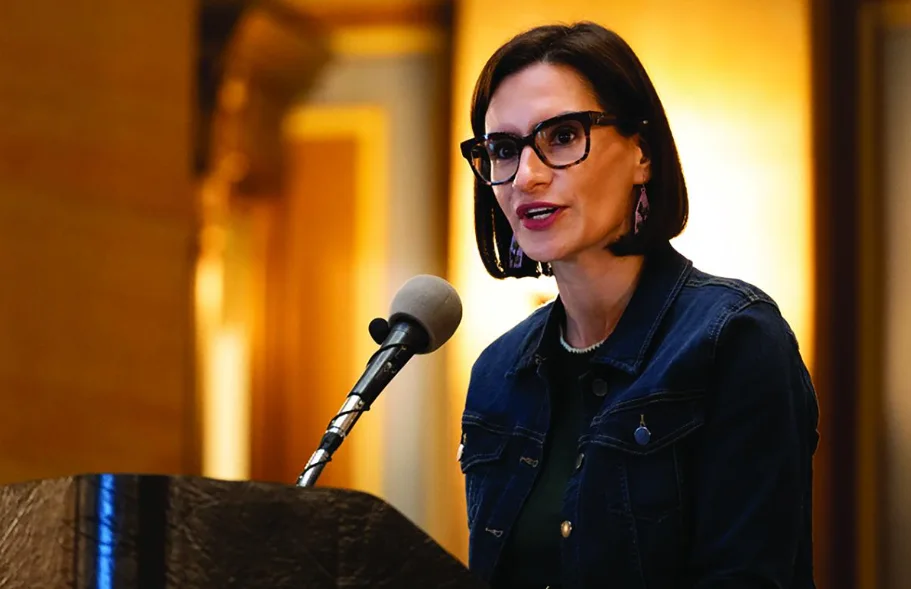
Peggy Flanagan secured the Democratic–Farmer–Labor Party nomination for an open U.S. Senate seat after defeating Angie Craig, a congresswoman whose campaign attracted considerable support from the party’s more moderate establishment. The 11 August primary became a test of what Democratic voters expect from their candidates during President Donald Trump’s second administration.
Flanagan campaigned as a progressive willing to confront corporate influence, defend social programmes and challenge the administration’s immigration policies. Craig presented herself as a practical centrist with experience winning competitive elections. Their contest therefore became larger than two political careers—it offered a glimpse into the direction Democratic voters may choose before the November midterms.
Immigration enforcement played a particularly powerful role. Anger over the federal crackdown conducted in Minnesota earlier in 2026 transformed immigration from a national debate into a deeply personal local issue. Flanagan used that discontent to argue that voters needed a senator prepared to resist policies they considered excessive or harmful.
Her victory is also historically significant. Flanagan is a citizen of the White Earth Nation and currently serves as Minnesota’s lieutenant governor. Her official state biography identifies her as the highest-ranking Native woman holding elected executive office in the United States.
However, the Senate seat has not yet been won. Flanagan will face Republican nominee Michele Tafoya, a former sports broadcaster, in the 3 November general election. Tafoya is expected to focus on government spending, public-assistance fraud and criticism of Minnesota’s Democratic leadership.
Republicans have struggled in Minnesota’s statewide elections for two decades, but they believe an open Senate seat and national political tensions may provide an opportunity. Democrats, meanwhile, will attempt to turn opposition to the Trump administration into greater voter participation.
The result also sends a message to national party leaders. Candidates supported by large donors and established political figures cannot assume that institutional backing will outweigh grassroots enthusiasm. Voters frustrated by cautious politics are increasingly looking for candidates who promise more direct confrontation and clearer ideological positions.
For Indigenous communities, Flanagan’s rise carries additional meaning. Native Americans have historically remained severely underrepresented in the institutions that make federal laws affecting tribal sovereignty, land, education and healthcare. A November victory would therefore open a new chapter in the history of representation in Washington.
Minnesota’s primary may have been a state election, but its message is national: the contest over the future of American opposition politics is intensifying, and voters are increasingly willing to choose candidates who promise a sharper break from political convention.