Hungary’s political wheel completed an extraordinary turn on Tuesday: a judge once pushed out of the country’s highest court was elevated to the presidency.
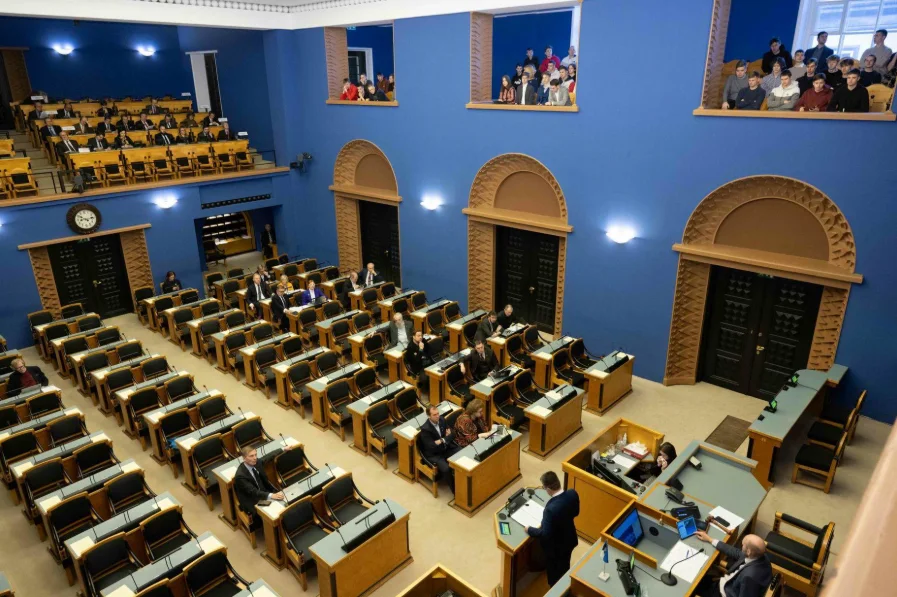
András Baka secured 140 of the 146 ballots cast in parliament on 11 August. He was nominated by Prime Minister Péter Magyar’s governing Tisza party, while lawmakers from Viktor Orbán’s opposition Fidesz party boycotted the election. The same-day election record confirmed that Baka will occupy Hungary’s largely ceremonial but symbolically powerful presidency.
Baka’s journey to the presidential palace carries unusual historical weight. He became president of Hungary’s Supreme Court in 2009 but lost the position before completing his term following sweeping judicial changes introduced under Orbán.
The European Court of Human Rights later ruled that Hungary had violated Baka’s rights. It concluded that the early termination of his mandate was connected to his public criticism of judicial reforms and that he had no effective opportunity to challenge his removal. The official court case became an important international reference in debates about judicial independence.
More than a decade later, Baka is returning at the top of the state. His election follows Magyar’s decisive parliamentary victory in April, which ended Orbán’s uninterrupted 16-year leadership and gave Tisza enough legislative strength to pursue major institutional changes.
Baka replaces Tamás Sulyok, a president elected during the Orbán era. Sulyok’s term was brought to an early end by a constitutional amendment passed by the new parliamentary majority. Under that amendment, Baka may serve until a new constitution takes effect or for a maximum of five years.
Fidesz strongly rejected the process, arguing that Sulyok’s presidency was ended arbitrarily and that the governing party was using its supermajority to dominate state institutions. Tisza denied accusations of authoritarianism, maintaining that the reforms are necessary to restore independent checks on political power.
In his first address following the vote, Baka acknowledged Hungary’s deep political divisions. He criticised the previous concentration of authority but warned that democratic reconstruction must not become political revenge. His message was clear: replacing one political camp’s control with another would not repair public trust.
Although Hungary’s presidency is not an executive office, it is more than a ceremonial title. The president signs legislation, can return certain bills for reconsideration and may ask the Constitutional Court to review disputed laws. These responsibilities could place Baka at the centre of future arguments over the pace and legality of Magyar’s reforms.
His election therefore raises a defining question for Hungary. Can a government dismantle an entrenched political system without repeating the same concentration of power it promised to end?
For Baka, the moment represents personal restoration. For Hungary, it is a test of whether a dramatic change of leadership can produce stronger democratic institutions rather than simply a new group controlling the old machinery.