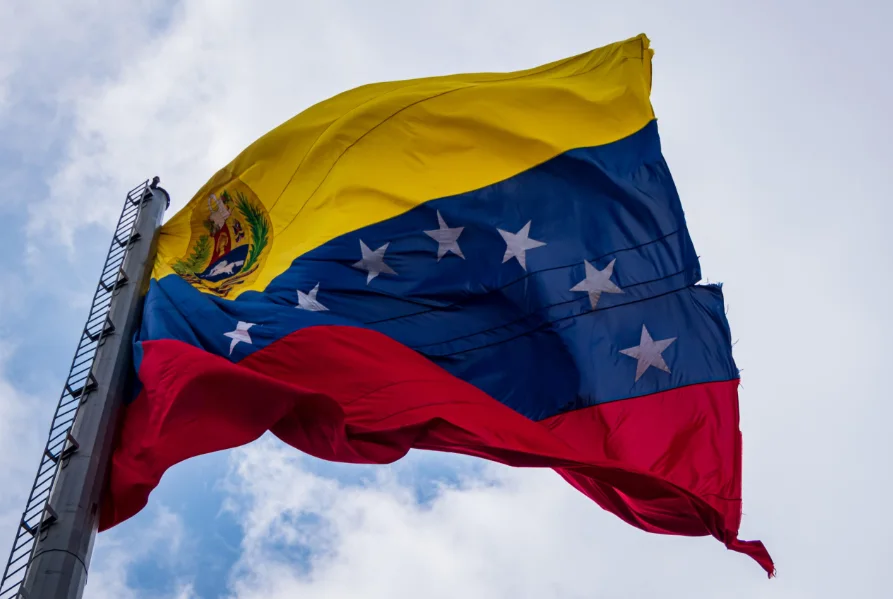
A diplomatic door that remained locked for 17 years has opened—not with ambassadors and ceremonies, but with an agreement to help ordinary citizens.
The Venezuelan and Israeli governments announced on Tuesday that they would create a coordination mechanism for consular services. The arrangement will allow officials to assist citizens with documentation, emergencies and other administrative matters despite the continued absence of full diplomatic relations.
The 11 August announcement represents the first formal bilateral breakthrough since Venezuela severed relations with Israel in January 2009. The government of former president Hugo Chávez made that decision during an Israeli military operation in the Gaza Strip.
For years afterward, Caracas became one of Israel’s strongest critics in Latin America. Venezuela also developed close political and economic relations with Iran, another major oil producer that shared its opposition to American sanctions and influence.
The political landscape has changed sharply in 2026. Following the capture of Nicolás Maduro by the United States in January, Venezuela’s interim government under President Delcy Rodríguez has pursued closer engagement with Washington and governments traditionally aligned with it.
An unexpected humanitarian mission helped move Venezuela and Israel closer together. Israeli emergency and disaster-response personnel travelled to Venezuela after the country’s deadly June earthquakes. Their work created direct contact between senior officials, allowing practical cooperation to develop into political discussions.
Those talks eventually produced the new consular mechanism. Both governments also recognised Venezuela’s Jewish community as an important historical connection between the two countries. The community could benefit directly from easier access to official documents, travel assistance and family-related services.
However, this is not yet a complete restoration of diplomatic relations. Neither government announced the reopening of an embassy, the exchange of ambassadors or a comprehensive agreement covering trade, security and foreign policy. The consular channel should therefore be understood as a cautious first step rather than full normalisation.
For Venezuela, the decision demonstrates that its foreign policy is moving away from the rigid alliances of the Maduro era. Reconnecting with Israel could strengthen relations with Washington, attract new technical cooperation and create opportunities in agriculture, water management, medicine and emergency response.
For Israel, the agreement reopens access to a strategically important South American country with major energy resources and a significant regional position. It may also support Israel’s wider efforts to rebuild and expand political relationships across Latin America.
The development carries a lesson beyond the two countries involved. Diplomatic relationships do not always restart through grand peace conferences. Sometimes humanitarian workers, emergency supplies and officials solving practical problems create the first bridge.
Whether that bridge eventually carries ambassadors remains uncertain. But after 17 years without an official route between Caracas and Jerusalem, even a consular telephone line represents a significant political change.