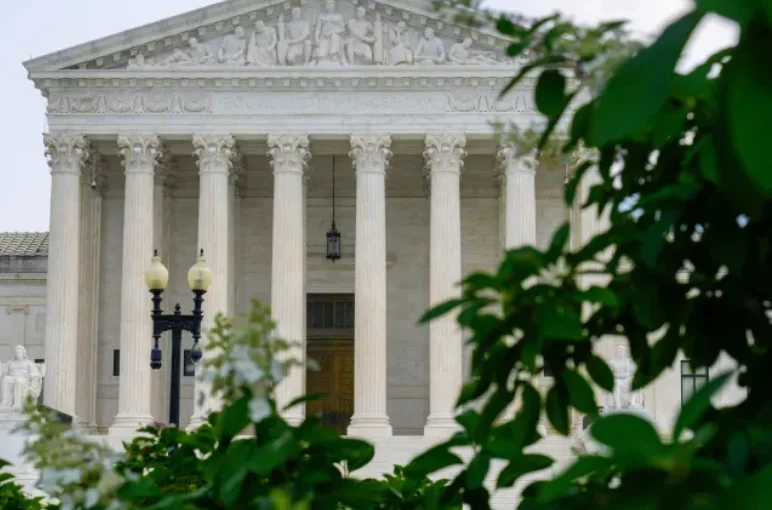
The political struggle surrounding the International Criminal Court has entered an American courtroom.
Human Rights Watch, the Open Society Institute, the American Friends Service Committee and the Center for Constitutional Rights jointly launched the case in New York. Their 11 August legal challenge seeks to dismantle a sanctions system that can penalise people and organisations assisting certain ICC investigations.
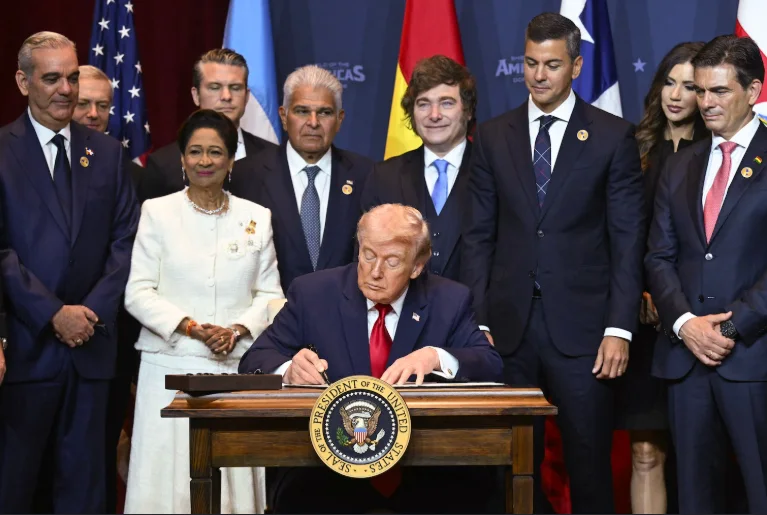
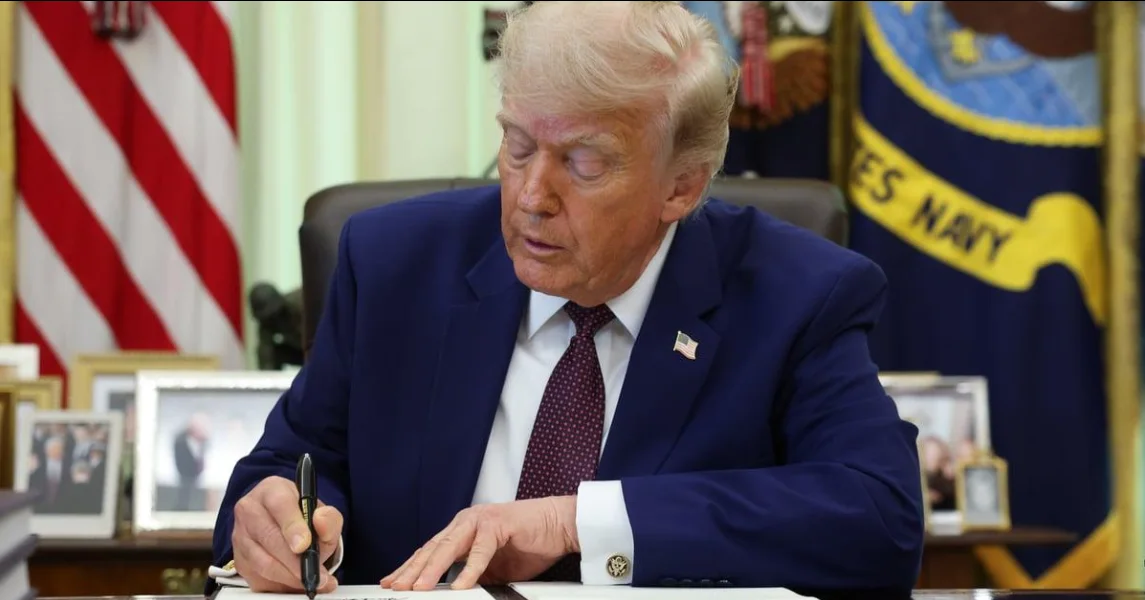
At the centre of the dispute is an executive order signed by President Donald Trump in February 2025. It authorises asset restrictions and entry bans against designated ICC personnel and foreign parties considered to have supported investigations involving protected American or allied officials.
The four organisations say the policy interferes with their ability to document alleged atrocities, communicate with international prosecutors and assist victims seeking justice. They contend that threatening sanctions for such cooperation places an unconstitutional burden on freedom of expression, association and religion.
The administration presents the issue differently. Its executive order describes ICC actions involving the United States and Israel as a threat to national sovereignty. Neither country is a member of the court, and Washington argues that their citizens should not face its authority without national consent.
That disagreement has transformed a long-running foreign-policy dispute into a major test of presidential power. The lawsuit is not simply asking whether the ICC’s decisions are legitimate; it asks whether the White House may use emergency economic powers to prevent independent American organisations from working with the tribunal.
The stakes stretch far beyond the United States. The ICC investigates genocide, crimes against humanity, war crimes and aggression. Because it possesses no police force of its own, it depends heavily on cooperation from governments, witnesses, researchers and civil-society organisations. Sanctions that frighten those partners away could weaken cases before they ever reach trial.
No judgment has been issued, and the plaintiffs’ claims remain allegations that the administration will have an opportunity to contest. Nevertheless, the case could establish an important boundary between national-security authority and constitutional rights.
For governments and human-rights advocates around the world, the question is now sharply defined: can one government isolate an international court by punishing the people who continue speaking to it, or does that strategy cross a legal line inside its own borders?