One of America's most closely followed criminal cases has reached a decisive new stage.
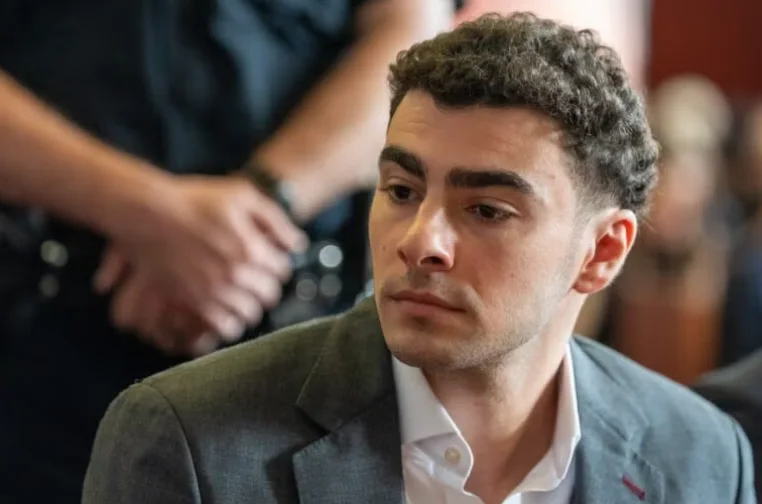
On Friday, 14 August 2026, Luigi Mangione admitted responsibility in federal court for the killing of UnitedHealthcare CEO Brian Thompson, entering a guilty plea in the federal case arising from the deadly shooting in Manhattan. The development was formally announced by the U.S. Attorney's Office for the Southern District of New York.
Thompson was killed on 4 December 2024 outside a Manhattan hotel, where he had been expected to attend an investor conference. The shooting triggered an intensive search for the suspect and quickly became a story followed far beyond New York.
Mangione was later arrested in Pennsylvania before being transferred to New York to face prosecution.
His guilty plea represents a major change in the legal battle surrounding the case. Rather than requiring federal prosecutors to prove the charges through a full trial, Mangione has now formally admitted guilt before the court.
The case attracted unusual public attention because Thompson was a senior executive at one of the largest health-insurance businesses in the United States. His killing also became intertwined with a much broader public debate about America's health-care system, insurance companies and the dangers of directing anger at individual employees and executives.
But inside the courtroom, the central issue has remained the killing itself and Mangione's criminal responsibility.
Federal prosecutors had previously pursued an aggressive case against Mangione. The proceedings have involved significant legal questions, including the punishment he could ultimately face and how the federal prosecution interacts with separate state proceedings.
Friday's guilty plea substantially changes that landscape.
Attention will now increasingly turn toward sentencing, where the court will determine the consequences Mangione will face under the federal case and applicable plea arrangements.
The development also brings a degree of legal resolution to a case that began with a killing on a Manhattan street and expanded into a nationwide investigation, arrest and high-profile prosecution.
For Thompson's family, colleagues and others affected by his death, however, a guilty plea cannot reverse what happened.
For the wider public, the case remains a stark example of how quickly frustration over institutions and public policy can become entangled with individual acts of violence.
The 14 August 2026 guilty plea is therefore more than another procedural court hearing. It marks one of the most consequential moments since Mangione's arrest and moves the federal case from determining responsibility toward determining punishment.