Three months into the latest Ebola emergency in the Democratic Republic of the Congo, health responders are warning that the battle against the deadly virus is far from over.
A fresh update released on 14 August 2026 by the International Federation of Red Cross and Red Crescent Societies said the outbreak continues to spread in eastern DRC, placing communities and health systems under sustained pressure.
The emergency began when health authorities declared an outbreak of Bundibugyo virus disease on 15 May 2026, after laboratory investigations confirmed the virus behind illnesses and deaths in affected areas.
Since then, the crisis has developed into a significant regional health emergency.
The World Health Organization has reported that more than 1,000 lives have been lost during the outbreak, illustrating the severity of the situation and the importance of preventing additional transmission.
A race to identify infections
One of the biggest improvements in the response has been the deployment of decentralized diagnostic equipment.
Previously, samples from suspected cases in remote communities could require transportation over extremely long distances before confirmation.
New diagnostic devices deployed in areas including Mongbwalu can produce results in under an hour, according to WHO. Testing capacity in Bunia and Mongbwalu has also increased substantially.
Faster diagnosis matters because Ebola response depends heavily on speed.
When health workers can identify an infected patient earlier, treatment and isolation can begin sooner while response teams trace people who may have been exposed.
At the same time, people who test negative can avoid unnecessary isolation and the stigma that can accompany suspected Ebola infection.
Community trust becomes a critical weapon
Technology alone, however, cannot stop an Ebola outbreak.
The latest warning emphasizes the importance of gaining the confidence of communities affected by the disease.
People must be willing to report symptoms, cooperate with contact-tracing teams, seek treatment early and follow public-health guidance. Fear, misinformation or distrust of authorities can make those measures much more difficult.
That is why health organizations are increasingly working with local communities rather than relying only on centralized emergency operations.
The objective is to ensure that residents understand what is happening, recognize symptoms and know where to seek help without fear.
The threat extends beyond Congo
The emergency also carries regional implications.
The DRC shares borders with several countries, and population movement means neighboring governments must remain prepared for possible cross-border cases.
Uganda has already been involved in the wider outbreak response, while other African countries have strengthened Ebola preparedness and surveillance.
WHO and partner organizations have consequently been working to improve laboratory capacity, emergency readiness and disease surveillance in areas close to international borders.
Why this matters
Ebola is particularly dangerous because transmission can accelerate when infected people are not identified quickly.
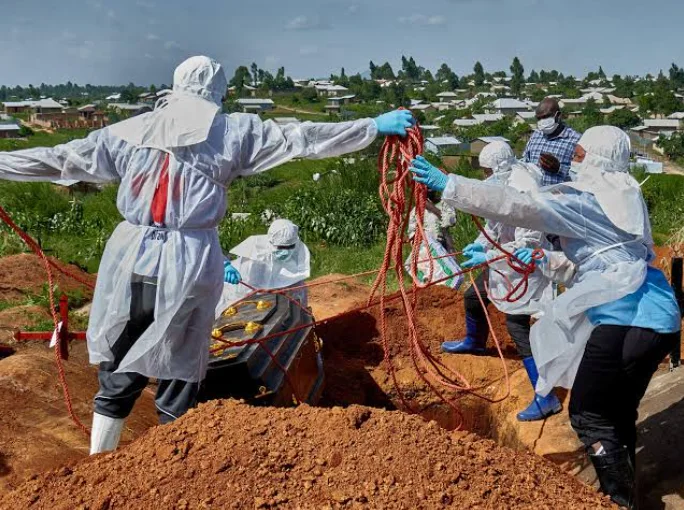
The virus spreads through direct contact with the bodily fluids of an infected person or contaminated materials. Health workers and family members caring for sick people can therefore face particularly high risks without appropriate protection.
The DRC has extensive experience responding to Ebola outbreaks, but the country's vast geography, difficult transport conditions and insecurity in some eastern regions can complicate emergency operations.
The latest developments demonstrate why the outbreak cannot be treated simply as a local health problem.
Three months after the emergency began, the central challenge has shifted from merely detecting the outbreak to breaking persistent chains of transmission.
Rapid testing, treatment centres and surveillance provide powerful tools, but the success of the response may ultimately depend on whether health authorities and communities can work together closely enough to find infections before they spread further.
The 14 August warning therefore carries an urgent message: despite months of emergency operations, the Ebola crisis in eastern Congo is not yet over, and sustained international and community-level action remains essential.