What happened
The European Union is preparing a major new package of sanctions against Russia that could become the bloc's most extensive sanctions package since Russia launched its full-scale invasion of Ukraine in February 2022.
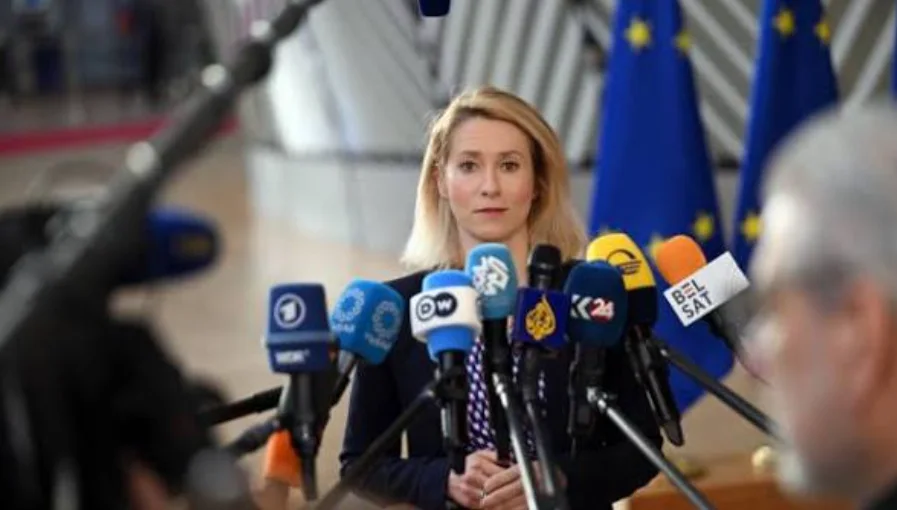
EU High Representative for Foreign Affairs and Security Policy Kaja Kallas disclosed the plan on Monday, 17 August 2026, saying the new measures are expected to be presented in the autumn.
The announcement is important because Europe has already constructed one of the largest sanctions regimes in its history against Russia.
Those measures have targeted Russian banks, businesses, political and military figures, technology supplies, energy revenues, trade and vessels associated with Moscow's so-called shadow fleet.
But Brussels is signalling that it believes there is still room to increase the pressure.
Kallas said previous European sanctions have deprived Russia's war machine of more than €1 trillion, according to her assessment of their cumulative economic impact.
The exact targets and restrictions contained in the forthcoming package have not yet been formally adopted or fully disclosed.
That distinction matters.
Today's announcement is about the preparation of the package — not its final approval.
Before new EU sanctions can take effect, member states will have to navigate negotiations over exactly which Russian individuals, companies, industries and economic channels should face additional restrictions.
Why this matters
The announcement shows that sanctions remain one of Europe's central political weapons against Moscow.
Europe cannot force Russia to change its policies through economic restrictions alone, but sanctions are designed to make sustaining the war increasingly expensive.
The strategy works through several pressure points.
Restrict Russian access to advanced technology, and producing sophisticated military equipment becomes more difficult.
Target oil revenues and Moscow has less money available to finance government expenditure and military operations.
Sanction vessels, intermediaries and financial networks, and Russia faces higher costs when attempting to move goods and money around existing restrictions.
Previous EU packages demonstrate how far this strategy has expanded.
For example, the EU's 17th sanctions package targeted 189 additional vessels associated with Russia's shadow fleet, bringing the number designated at that stage to 342. It also targeted Russia's energy revenues and access to technology with potential military applications.
More recently, the EU approved what Estonia's Foreign Ministry described as its largest-ever cyber sanctions package against Russia, targeting eight individuals and four entities over malicious cyber activities affecting EU economies, public services and critical infrastructure.
The new package being prepared could push that economic confrontation significantly further.
Who is affected
Russia's government and economy are the primary targets.
Depending on the final measures, Russian businesses, financial networks, energy operations, technology suppliers and individuals connected to the country's military-industrial system could face additional restrictions.
European companies will also be affected.
Every new sanctions package changes the compliance environment for banks, shipping companies, manufacturers, technology firms, insurers and businesses trading internationally.
Companies must determine whether customers, suppliers, ships, transactions or financial institutions have been added to sanctions lists.
Ukraine is another major stakeholder.
Kyiv has consistently pushed Western governments to increase economic pressure on Russia alongside military and financial assistance.
For Ukraine, stronger sanctions are intended to weaken Russia's ability to obtain technology, generate export revenues and sustain military production.
EU member states themselves could face difficult negotiations.
Sanctions require political agreement, and governments do not always share identical economic interests.
Countries with greater exposure to particular industries, energy supplies or trade relationships can demand exemptions or modifications before supporting new restrictions.
That means the toughest battle over the next package may happen first inside Europe itself.
BoonVerse Analysis
The most revealing part of today's announcement is not simply that Europe wants more sanctions.
It is that after years of restrictions, Brussels still believes economic pressure can be expanded significantly.
That exposes the central challenge of modern sanctions.
Closing one route does not necessarily stop trade.
It can redirect it.
A sanctioned product might travel through another country.
A restricted company can operate through intermediaries.
An oil tanker can change ownership, registration or corporate structure.
Financial transactions can move through increasingly complicated networks.
This creates something resembling an economic cat-and-mouse game.
Europe builds barriers. Russia searches for alternative routes. Europe identifies those routes and builds new barriers.
That helps explain why sanctions packages continue to appear years after the first restrictions were introduced.
The next phase could therefore be less about simply adding famous Russian companies to blacklists and more about attacking the infrastructure that allows sanctions circumvention.
Shipping networks could become increasingly important.
So could financial intermediaries.
Technology supply chains may receive greater scrutiny.
Third-country businesses helping Russian entities obtain restricted products could also face growing political attention.
But there is another problem Brussels cannot ignore:
sanctions fatigue inside Europe.
The broader the sanctions regime becomes, the harder it can become to find measures that seriously damage Russia without creating economic consequences for European companies or consumers.
EU governments must therefore balance two objectives:
increase the economic cost for Moscow while limiting the economic cost for Europe.
That equation becomes more difficult with every additional package.
The effectiveness of the coming sanctions will therefore depend less on how dramatic the announcement sounds and more on whether Brussels can close the networks Russia has developed to operate around previous restrictions.
A massive sanctions list means little if the underlying trade continues through different companies, jurisdictions and vessels.
The next battlefield between Europe and Russia may therefore increasingly be fought not only with tanks and missiles, but through banks, ports, shipping registries, corporate ownership records and global supply chains.
What happens next
The immediate development to watch is the European Commission's preparation of the detailed sanctions proposal.
Kallas indicated that the package is expected to emerge in the autumn of 2026.
Once concrete measures are proposed, negotiations among EU governments will become critical.
Member states will examine which individuals, companies, vessels and industries are targeted and assess the economic consequences of the proposed restrictions.
Some provisions could change during those negotiations.
That has happened before.
The EU's previous sanctions discussions have encountered disagreements over individual listings, Russian imports, visa restrictions and measures affecting oil revenues.
Another question will be coordination with other Western governments.
Sanctions become considerably more difficult to evade when major financial centres and trading economies impose similar restrictions simultaneously.
Brussels will therefore have an incentive to coordinate pressure with partners including the United States and the United Kingdom.
But the biggest question is much simpler:
Can another sanctions package materially reduce Russia's ability to finance and supply its war?
That will determine whether Europe's next economic offensive becomes a genuine strategic escalation or simply another layer added to an already enormous sanctions regime.