A rapidly worsening Ebola epidemic in the Democratic Republic of the Congo is threatening to become the largest the world has ever experienced, according to a stark warning delivered by the World Health Organization on 12 August 2026.
WHO Director-General Dr Tedros Adhanom Ghebreyesus said the outbreak had already become the second biggest on record and was progressing faster than previous Ebola emergencies. If transmission continues at its present rate, it could eventually exceed the devastating West African epidemic of 2014–2016.
The latest official figures show 4,449 confirmed cases and 2,061 deaths across five provinces and 53 health zones. Nearly 90% of infections and approximately 80% of deaths have been recorded in Ituri Province, where transmission remains intense in areas including Bunia, Rwampara, Nizi and Lita.
Behind these numbers is a particularly difficult form of the disease. The outbreak is being driven by the Bundibugyo species of Ebola virus, which can initially resemble malaria or typhoid. Bleeding—one of the symptoms commonly associated with Ebola—does not occur frequently in Bundibugyo infections, making some cases harder to recognise without advanced laboratory testing.
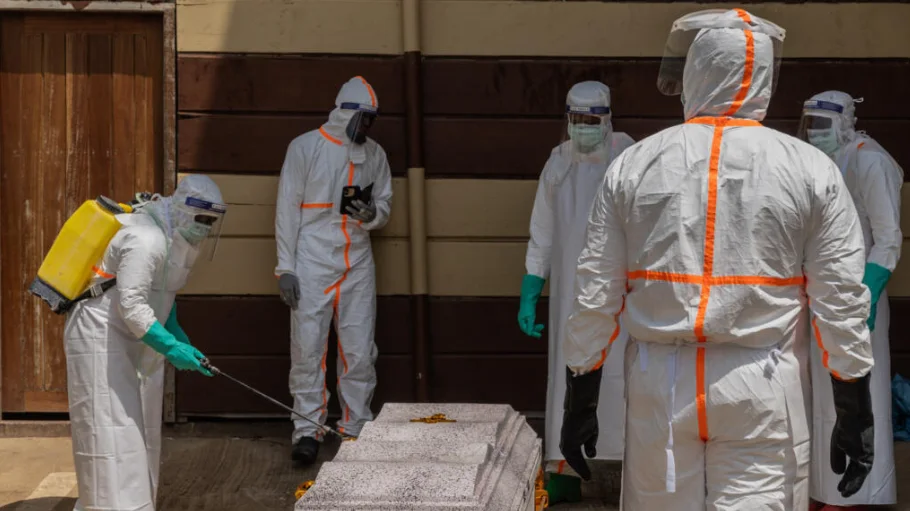
The virus spreads through direct contact with the bodily fluids of a symptomatic patient or someone who has died from the disease. Caregivers, medical workers and people involved in traditional burial practices face especially high risks without suitable protection.
Health officials are deeply concerned that many patients are dying at home or elsewhere in their communities rather than inside treatment centres. A significant number were also not registered as contacts of previously confirmed patients.
That pattern suggests that authorities have not yet identified every chain of transmission. People with advanced disease can unknowingly expose family members and other caregivers before they are transferred to specialised facilities.
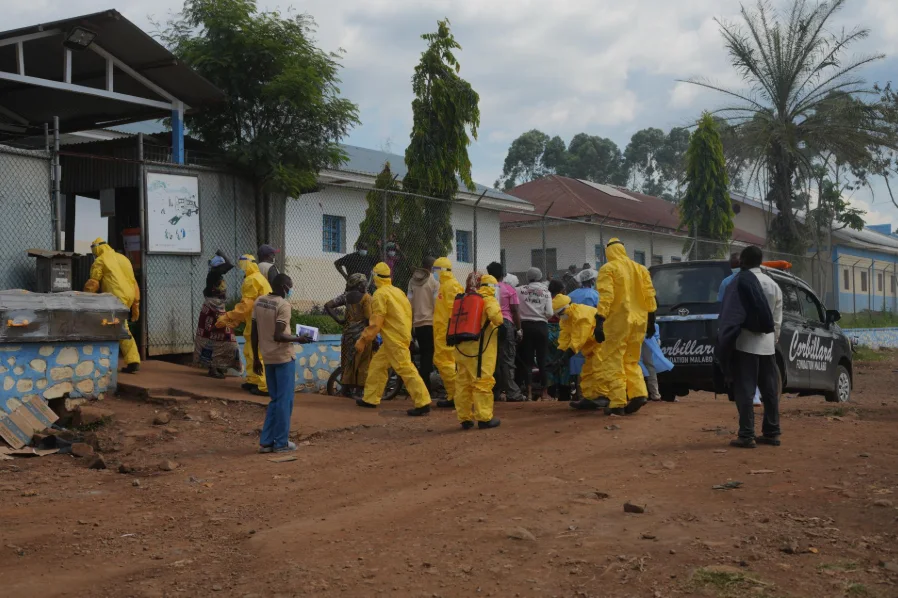
Conflict and insecurity in eastern Congo are making the response even harder. Medical teams must operate in communities affected by armed violence, displacement and frequent population movement. Mining and cross-border trade also create opportunities for exposed individuals to travel between health zones or into neighbouring countries before developing recognisable symptoms.
The outbreak has already produced cross-border infections in Uganda and was declared a Public Health Emergency of International Concern in May. WHO has not recommended closing borders or restricting international trade, warning that such measures could push travellers towards informal, unmonitored crossing points.
Authorities are now expanding surveillance, treatment and community-engagement operations. Contact-tracing coverage currently stands at approximately 80%, but response teams want to reach 95% to improve their chances of interrupting transmission.
Treatment capacity is expected to be tripled to around 3,000 beds within 12 weeks. Thousands of additional healthcare workers will be required, with planners estimating that three trained workers will be needed for every patient.
Despite the severity of the emergency, there are signs of progress. More than 21,000 community health workers have received training, while treatment centres, laboratories and safe-burial teams are operating across affected provinces. At least 886 patients have recovered after receiving supportive care.
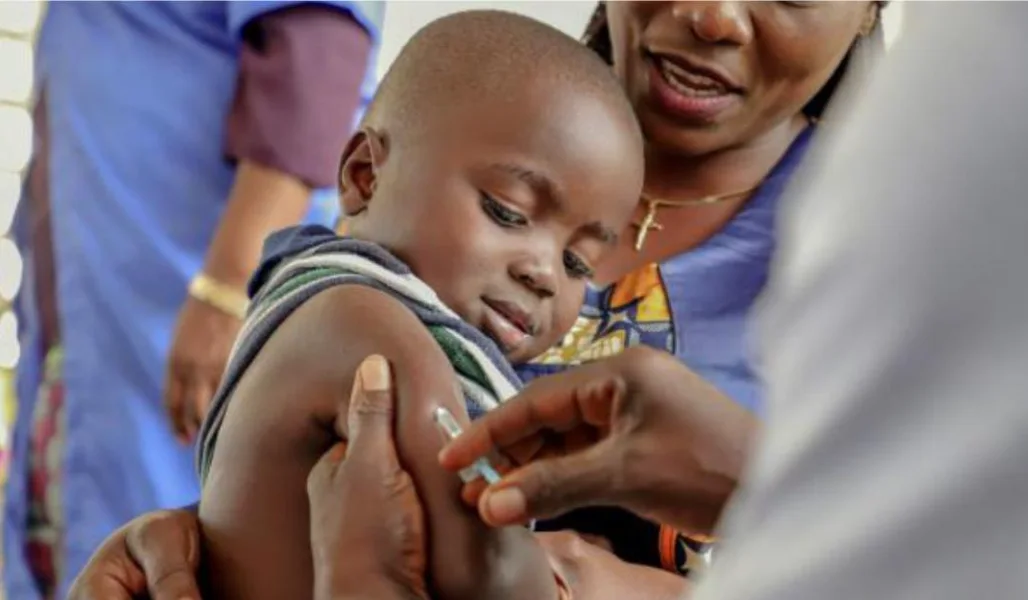
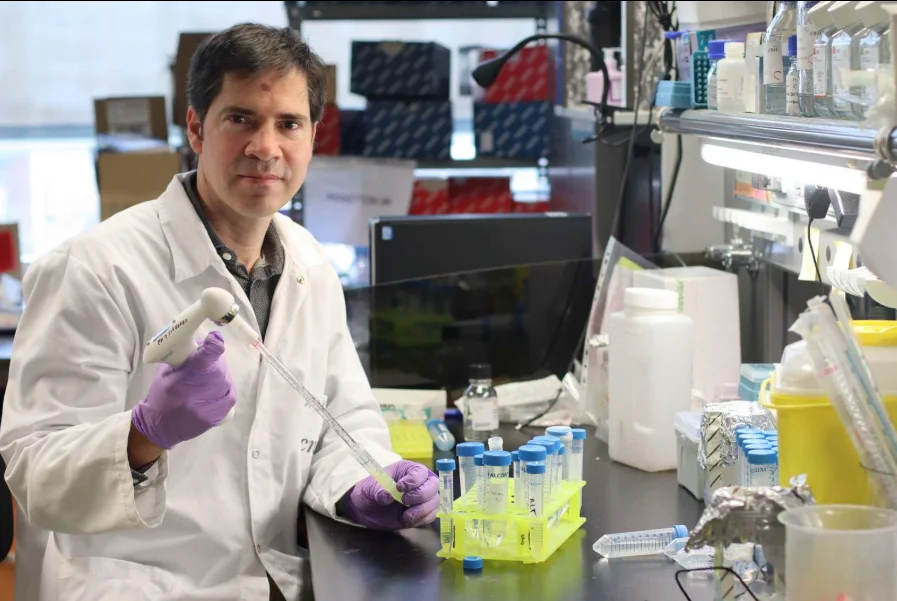
Research is also advancing. Two experimental vaccines developed specifically for the Bundibugyo virus have entered initial human safety trials. Scientists are separately investigating whether an existing vaccine designed for the more common Zaire Ebola species could offer protection against Bundibugyo.
Promising animal results have led WHO to recommend placing that vaccine into a Phase 3 clinical trial. However, officials emphasise that researchers do not yet know whether it can protect humans against the strain responsible for the current outbreak.
There is presently no licensed vaccine or approved antiviral treatment specifically targeting Bundibugyo Ebola. Early supportive care—including fluid replacement, management of symptoms and prevention of complications—therefore remains critical to survival.
Financing presents another obstacle. The continental preparedness and response plan requires approximately $518 million, but only $264 million had been released by 12 August. Without faster funding, response teams may struggle to build treatment centres, employ medical workers, supply protective equipment and operate surveillance programmes at the scale required.
The crisis is not only a test of medicine. It is also a test of trust. Families must feel safe reporting symptoms, contacts must cooperate with monitoring teams, and communities must accept professionally managed burials. Fear, misinformation or hostility towards responders can allow the virus to remain hidden until more people become infected.
The world possesses far more knowledge about Ebola than it did during the West African epidemic a decade ago. What remains uncertain is whether that knowledge, funding and medical capacity can reach affected communities quickly enough to change the direction of this outbreak.