The Democratic Republic of the Congo has reached a devastating point in its battle against Ebola, with confirmed infections rising above 4,000 for the first time during the current outbreak.
Figures reported on 7 August show that 4,053 people have been infected and 1,850 have died. The disease has been detected across Ituri, North Kivu, South Kivu, Haut-Uele and Tshopo provinces.
The emergency is now the world’s second-largest recorded Ebola outbreak, surpassed only by the epidemic that affected Guinea, Liberia and Sierra Leone between 2014 and 2016.
The Congolese outbreak was officially declared on 15 May 2026. However, investigators have identified hundreds of suspected illnesses dating back to January, raising fears that the virus was spreading quietly for several months before health authorities recognised the scale of the danger.
That early period of undetected transmission may have allowed infected people to travel between communities, seek treatment at facilities unprepared for Ebola or receive care from relatives without protective equipment.
A Different Ebola Virus Complicates the Response
The outbreak is caused by the Bundibugyo virus, one of the viruses capable of producing severe Ebola disease.
This distinction is important because existing licensed vaccines and treatments were primarily developed for outbreaks caused by Zaire ebolavirus. There is currently no approved vaccine specifically designed to protect people against the Bundibugyo virus.
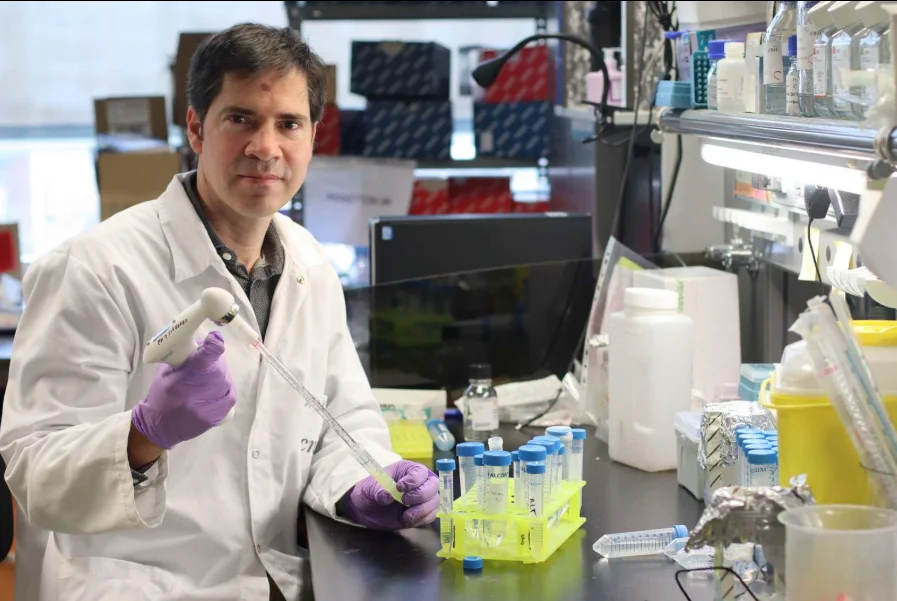
Health researchers are testing experimental vaccines and treatments, but these programmes remain at different stages of development. Scientists are also examining whether an existing Ebola vaccine could provide some protection across virus types.
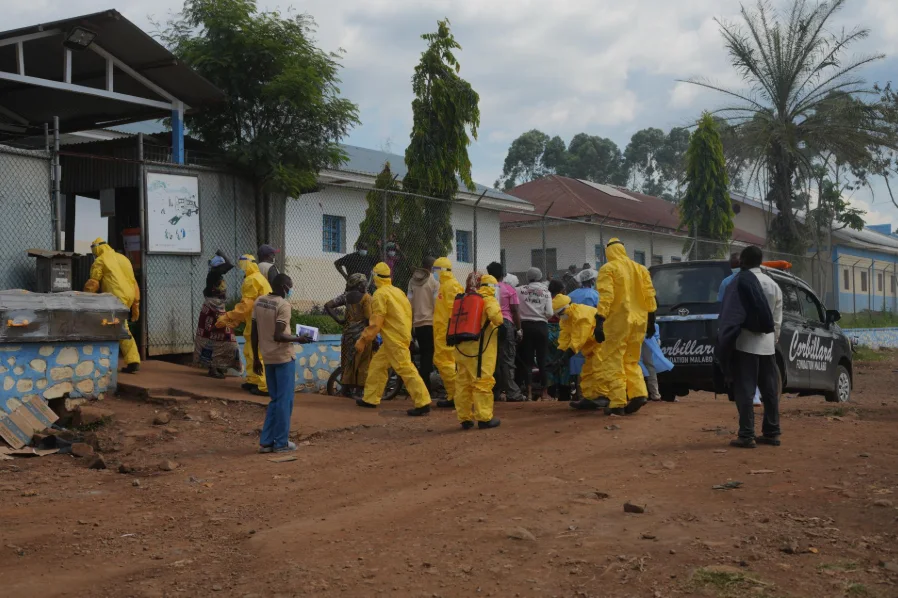
Until clearer evidence becomes available, outbreak control continues to depend heavily on identifying patients quickly, isolating infections, tracing contacts, protecting medical workers and conducting burials without direct exposure to infectious remains.
Ebola spreads through contact with the blood or other bodily fluids of an infected person. Contaminated clothing, bedding, medical equipment and surfaces can also transmit the virus. A person does not become infectious before symptoms appear.
The incubation period can range from two to 21 days. Early symptoms—including fever, tiredness, muscle pain, headache and sore throat—can resemble several other common illnesses, making early identification particularly difficult.
Contact Tracing Is Struggling to Keep Up
Every confirmed patient may have interacted with relatives, healthcare workers, transport operators and other community members. Finding and monitoring those contacts is essential because it allows health teams to respond as soon as symptoms develop.
However, the outbreak has expanded faster than surveillance teams can reconstruct these connections. Some infections are being discovered only after patients have died, meaning opportunities for isolation and treatment were lost.
The true number of cases may therefore be higher than the official count. People who die outside recognised treatment centres may never be tested, while patients with early symptoms may avoid medical facilities because of fear, misinformation or mistrust.
Health Workers Face Conflict and Financial Pressure
The response is unfolding in regions already affected by armed violence, displacement and weak infrastructure. Some communities are difficult to reach safely, while damaged roads and insecurity delay the movement of laboratories, ambulances and protective supplies.
Health workers are also confronting delayed salary payments. Some response personnel have reportedly worked without receiving promised compensation, leading to strikes and protests during a period when additional staff are urgently needed.
These workers include nurses, infection-prevention specialists, laboratory teams, drivers and burial personnel. Their absence can interrupt nearly every stage of outbreak control.
Misinformation presents another danger. Families may hide sick relatives, reject testing or resist safe-burial procedures if they believe treatment centres are unsafe. Building trust is therefore as important as delivering medicine.
Why This Matters Beyond Congo
Uncontrolled Ebola transmission places neighbouring countries at risk, particularly where people regularly cross borders for trade, work or family visits. The virus has already required surveillance and response measures outside the outbreak’s original centre.
The crisis is also disrupting ordinary healthcare. When staff, funding and facilities are redirected toward Ebola, services such as childhood vaccination, maternity care and treatment for malaria may become harder to access. This can create additional illness and death even among people who never contract Ebola.
The latest figures are more than a grim statistical milestone. They show that the outbreak has reached a scale where the response must pursue two objectives simultaneously: stopping new transmission and preventing the wider health system from collapsing under the pressure.
Experimental science may eventually provide a strain-specific vaccine or more effective treatment. For communities facing the outbreak today, however, survival still depends on rapid detection, protected healthcare workers, trusted local communication and immediate access to safe medical care.