A food ingredient often added to meals in small quantities has become the centre of a large international supply-chain investigation.
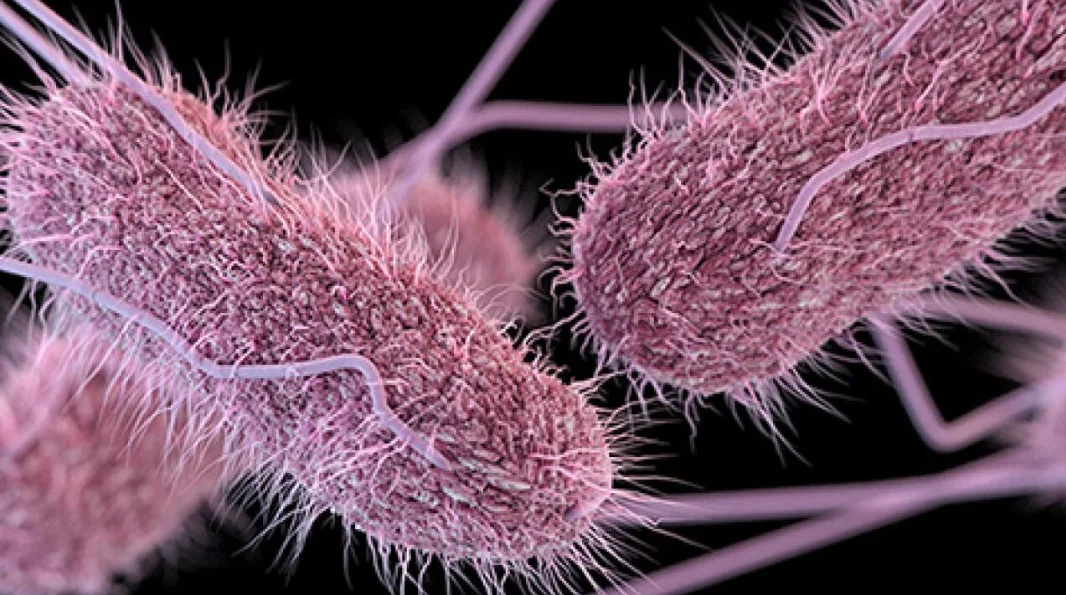
Public-health officials have connected 345 Salmonella infections across 27 American states to fresh jalapeño peppers grown in Sinaloa, Mexico, and supplied through Coast Citrus Distributors in California.
At least 36 infected people have been admitted to hospital. No deaths have been recorded.
Colorado and Minnesota have reported the largest numbers of patients, with 110 infections identified in each state. Cases have also appeared across a broad geographical area, showing how produce originating from a single supply network can rapidly reach consumers thousands of kilometres apart.
Restaurant Interviews Revealed the Pattern
Investigators began connecting the cases by interviewing people about the food they consumed before becoming ill.
Among nearly 200 patients who provided detailed information, approximately 93% said they had eaten at a Mexican-style restaurant. Several clusters were associated with Chipotle and QDOBA locations, although other restaurants were also involved.
The repeated appearance of jalapeños in patients’ meals gave investigators an important clue. Traceback work then followed the peppers through restaurants and distributors to their source in Mexico.
Illnesses were reported among people who ate at affected establishments during June and July. Because Salmonella cases can take several weeks to confirm and connect through laboratory testing, the official total may continue to change even after the contaminated food has been removed.
Restaurants Remove the Suspected Peppers
Chipotle and QDOBA have stopped serving the jalapeños connected to the investigation and changed their supplies. Health authorities therefore do not currently consider food being served by those restaurant chains to present an ongoing risk from the recalled batch.
Other establishments that received the affected peppers have been instructed to stop serving them, discard remaining stock and sanitise equipment or surfaces that may have come into contact with the produce.
The distributor has initiated a recall, while authorities continue examining how widely the peppers travelled. Investigators are also determining whether any affected produce entered retail channels outside the restaurants and wholesalers already identified.
Mexican authorities have opened their own inquiry into the farm and packing network. This cross-border investigation is important because contamination may occur at several stages, including cultivation, washing, packing, transport or food preparation.
How Fresh Produce Becomes Contaminated
Jalapeños are commonly eaten raw or added to food after cooking, leaving no final heating stage to kill harmful bacteria.
Salmonella can reach produce through contaminated irrigation or washing water, animal waste, unsanitary equipment or improper handling. Once bacteria enter damaged areas or natural openings in a vegetable, rinsing the surface may not remove all contamination.
This does not mean that all Mexican jalapeños or all fresh peppers are unsafe. The investigation concerns produce associated with a particular supply chain, and consumers should rely on specific recall information rather than discarding unrelated products unnecessarily.
Businesses should be able to determine where their peppers were sourced. Consumers who possess loose jalapeños without packaging or traceable supplier information may need to contact the retailer for confirmation.
Symptoms to Watch For
Salmonella infection commonly causes:
- Diarrhoea
- Fever
- Stomach cramps
- Nausea
- Vomiting
- Headache or loss of appetite
Symptoms usually begin between six hours and six days after exposure and commonly last four to seven days. Most people recover without specialised treatment, but the illness can become serious.
Children younger than five, adults aged 65 or above and people with weakened immune systems face a greater risk of severe infection.
Medical attention should be considered when diarrhoea or vomiting persists, when stool contains blood, when fever becomes high or when signs of dehydration appear. Those signs can include reduced urination, dizziness, a very dry mouth or an inability to keep liquids down.
Why This Matters
The outbreak demonstrates the complexity of modern food distribution. A pepper may be grown in one country, packed at another location, transported through a regional distributor and eventually served at hundreds of restaurants.
When records are incomplete or inconsistent, tracing a contaminated ingredient backwards through that network can take weeks. During that time, more people may consume the food and others who are already sick may remain unconnected to the outbreak.
The investigation also shows why interviews with patients are essential. Laboratory testing can prove that people were infected with the same bacterial strain, but their meal histories help reveal the food that connects them.
For restaurants and distributors, accurate supplier records are therefore more than administrative paperwork. During a foodborne emergency, they can determine how quickly a contaminated product is found and removed.