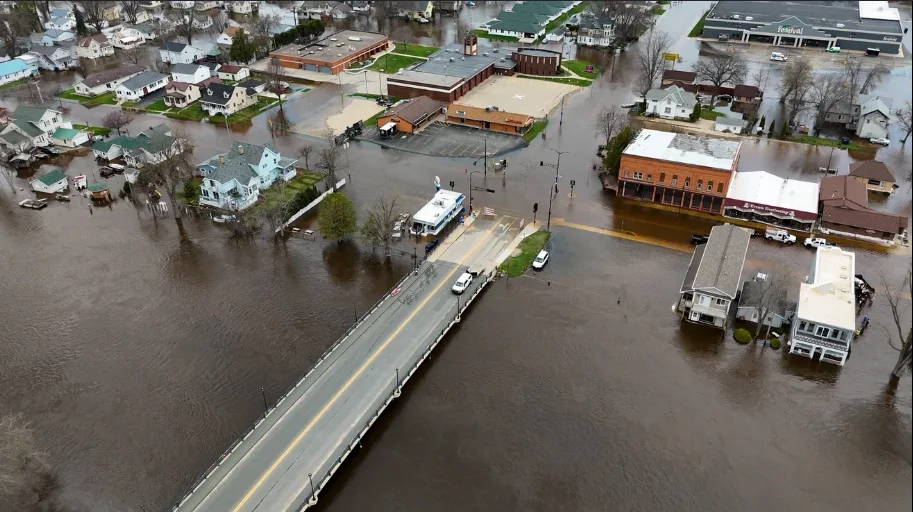
Farmers recovering from destructive storms, tornadoes and flooding in parts of the United States are receiving a new financial lifeline as federal authorities expand emergency agricultural assistance.
On 14 August 2026, the U.S. Department of Agriculture's Farm Service Agency announced that a presidential disaster declaration covering 21 counties in Wisconsin will allow eligible agricultural producers affected by the disasters to seek emergency credit through USDA programmes.
The assistance comes at an important time for farming communities where extreme weather can destroy months—or even years—of agricultural investment within a matter of hours.
Emergency credit becomes available
Under the disaster designation, eligible farmers can apply for USDA Farm Service Agency emergency loans.
These loans are designed specifically to help agricultural producers recover after natural disasters.
The money can be used for several recovery needs, including replacing essential equipment or livestock, reorganizing farming operations and refinancing certain debts.
For farmers, that flexibility can be crucial.
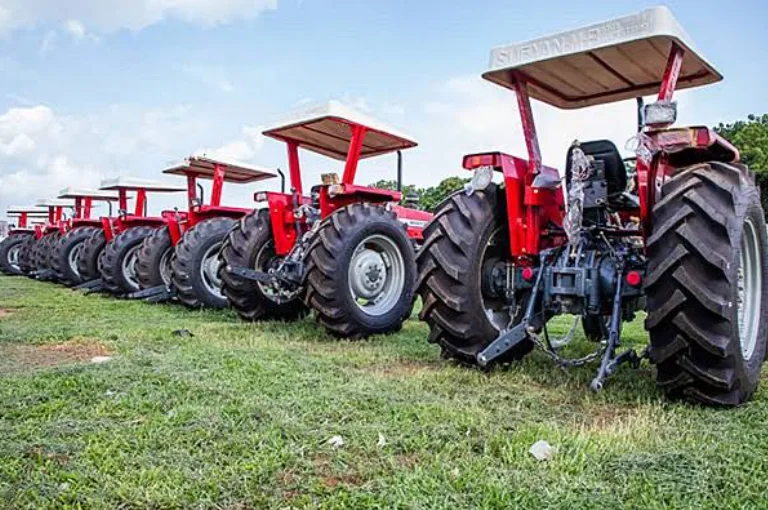
A severe storm may damage much more than crops. Agricultural businesses can lose tractors and machinery, livestock, storage facilities, fencing and other infrastructure necessary to continue operating.
Even when some crops survive, damaged equipment can prevent farmers from completing the season.
Iowa farmers also gain access
The impact of the federal designation extends beyond Wisconsin.
Because USDA disaster assistance can also cover qualifying producers in counties adjoining officially designated disaster areas, farmers in neighboring areas—including Allamakee County in Iowa—can become eligible for emergency assistance.
That recognizes an important reality about natural disasters: storms and floods do not stop at administrative boundaries.
Agricultural damage can stretch across multiple counties and states, affecting interconnected rural economies.
Agriculture faces growing weather risks
The announcement also highlights the financial vulnerability of farming to extreme weather.
Unlike many businesses operating primarily inside buildings, agriculture is directly exposed to environmental conditions.
Flooding can leave fields inaccessible, destroy planted crops and damage soil. Tornadoes and powerful storms can destroy barns, machinery and other infrastructure within minutes.
Livestock producers face additional risks if animal housing, fencing, feed supplies or water systems are damaged.
For a family farm operating on tight margins, such losses can quickly develop into a financial crisis.
Emergency loans could keep farms operating
The purpose of USDA's emergency lending system is therefore not simply to compensate farmers for losses.
It is intended to provide enough financial breathing room for viable agricultural businesses to recover and continue producing.
Replacing a damaged tractor, rebuilding livestock numbers or restructuring debt can determine whether a farmer returns to production or leaves agriculture entirely.
That makes access to affordable emergency financing particularly important in rural communities where farms also support equipment dealers, transport companies, processors and other businesses.
Why this matters
Agricultural disasters rarely affect farmers alone.
When production declines, consequences can move through the entire food supply chain.
Processors may receive fewer agricultural products, transportation businesses move less cargo and rural communities can lose income generated by farming.
Repeated extreme-weather events also raise larger questions about how governments and agricultural businesses prepare for future disasters.
Crop insurance, resilient infrastructure, emergency financing and better disaster planning are becoming increasingly important parts of modern agricultural policy.
The 14 August 2026 USDA announcement provides immediate assistance to farmers dealing with those realities today.
For affected producers, the most important priority now is recovery restoring equipment, livestock and farming operations quickly enough to prevent a natural disaster from becoming a permanent business failure.
The newly available federal emergency credit could provide some of those farms with the financial bridge they need to keep operating.