Kazakhstan has entered its 2026 harvest season with stronger early grain yields, raising expectations as one of Central Asia's biggest agricultural producers prepares for the most intensive phase of harvesting.
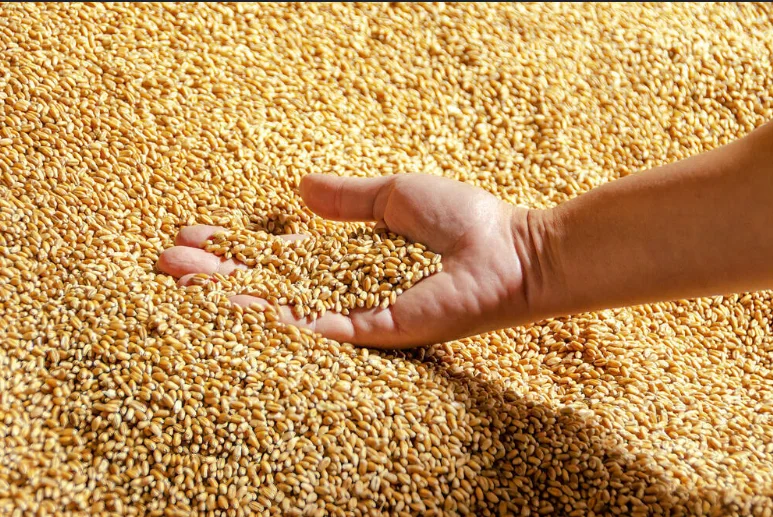
Fresh figures announced by the country's Ministry of Agriculture on 14 August 2026 show that farmers have already harvested approximately 3.2 million tonnes of grain.
Harvesting is underway across most regions, although the country's main campaign is expected to begin during the final third of August.
Kazakhstan has approximately 24.2 million hectares scheduled for harvesting this year. Grain and legume crops account for around 15.6 million hectares of that land.
So far, approximately 1.9 million hectares of grain crops have been harvested, equivalent to 12.5% of the planned area.
That represents a substantial acceleration compared with the same point last year, when approximately 1 million hectares—or 6.1%—had been harvested.
Officials said unusually hot summer conditions caused crops to mature earlier, bringing forward harvesting in several areas.
Yields rise despite difficult summer conditions
Perhaps the most important figure in today's announcement is the improvement in productivity.
Average grain yields have reached approximately 16.4 centners per hectare, compared with 14.8 centners per hectare during the corresponding period of 2025.
Oilseed crops are also showing stronger early performance.
Kazakhstan reported an average oilseed yield of 10.5 centners per hectare, compared with 7.4 centners per hectare at the same point last year. About 3,500 tonnes have already been collected.
Other agricultural products are also moving through the harvest.
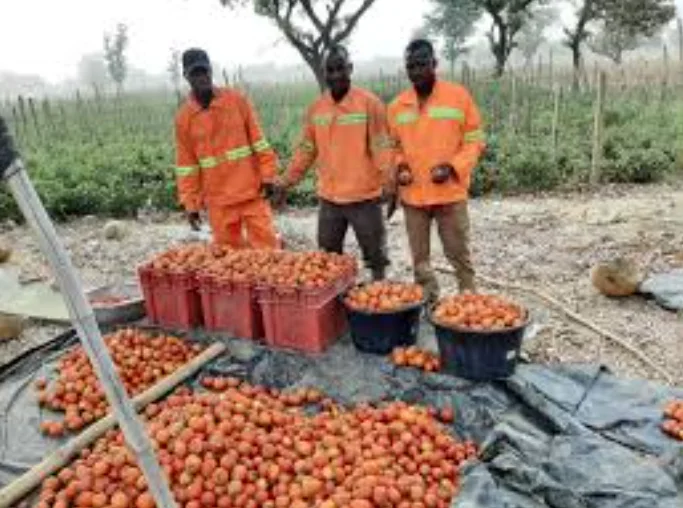
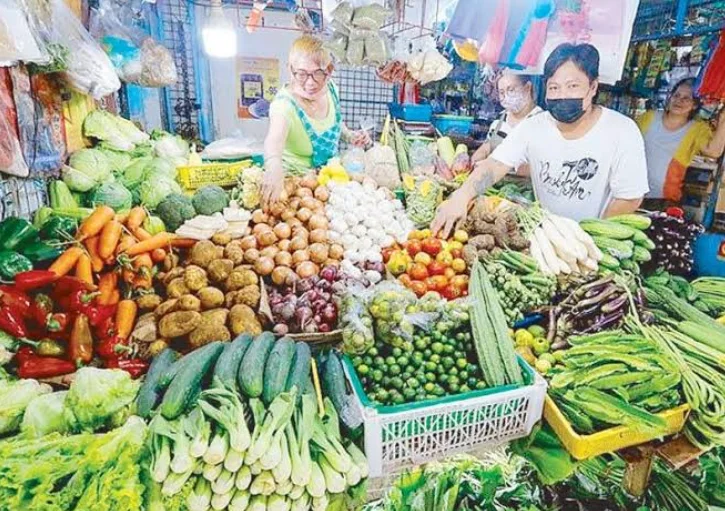
Organized farms have collected approximately 214,000 tonnes of potatoes, alongside 628,600 tonnes of vegetables and about 506,900 tonnes of melons and related crops.
More than 29,000 combines preparing for harvest
With the country's largest harvesting operations still ahead, Kazakhstan is mobilizing an enormous amount of agricultural machinery.
Regional machinery readiness has reached approximately 97%, with authorities aiming for full readiness before mass harvesting begins.
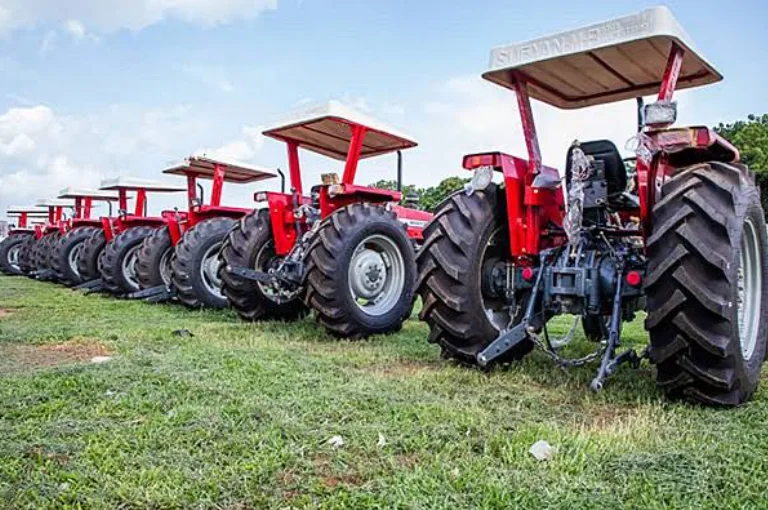
The campaign is expected to involve around 130,800 tractors, 29,000 combine harvesters, 17,000 reapers and another 130,000 pieces of agricultural equipment.
Thousands of newer machines purchased through Kazakhstan's preferential agricultural-leasing programme will also participate.
Government moves to secure fuel
Harvesting millions of hectares requires enormous quantities of fuel.
The government has allocated approximately 401,000 tonnes of diesel for harvesting operations.
Farmers in the country's major grain-producing regions are receiving diesel at around 305–310 tenge per litre, which the government says is approximately 10% below market prices.
Authorities are also introducing digital tracking measures for agricultural diesel to improve transparency and reduce misuse.
Around 1.9 million tonnes of fertilizer, representing 83% of the planned volume, have already been supplied to agricultural producers.
Grain-storage capacity becomes the next challenge
A strong harvest creates another problem: finding enough space to store it.
Kazakhstan currently has total grain-storage capacity of approximately 30.7 million tonnes.
Although overall storage utilization remains relatively low, authorities identified individual elevators in major grain-producing regions that are already more than 40% full.
Deputy Prime Minister Serik Zhumangarin has therefore instructed regional authorities and the country's Food Corporation to accelerate efforts to free storage capacity before large quantities of newly harvested grain begin arriving.
The government is also preparing fuel and liquefied gas supplies for drying grain and oilseed crops.
Why this matters
Kazakhstan is an important grain producer and exporter, particularly for markets across Central Asia and neighboring regions.
A stronger harvest can therefore influence more than domestic food supplies.
Higher production could give Kazakhstan greater capacity to export wheat and other agricultural commodities while supporting flour mills, livestock producers and food-processing industries.
Today's figures are particularly encouraging because yields are running ahead of last year's levels despite an unusually hot summer.
But the harvest is still in its early stages.
Weather conditions during the coming weeks, storage availability, transportation capacity and the speed at which farmers can complete harvesting will ultimately determine the final result.
For now, however, 14 August 2026 has brought Kazakhstan's agricultural sector an encouraging signal: crops are coming off the fields earlier, grain yields are higher than last year, and 3.2 million tonnes have already been harvested.