Two of the semiconductor industry’s most influential companies could be preparing a major manufacturing alliance that connects the digital eyes of machines with the world’s most advanced chip-production technology.
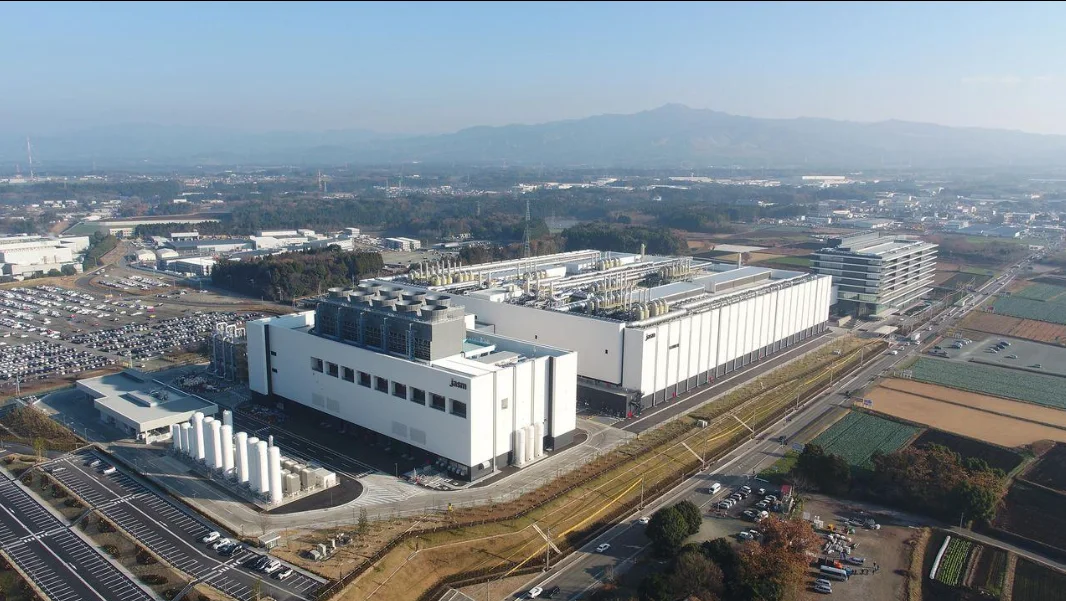
Details reported on 10 August indicate that Sony Group and Taiwan Semiconductor Manufacturing Company are considering a joint venture in Kumamoto, southern Japan. Under the reported structure, Sony would own 60% of the operation while TSMC would control the remaining 40%.
The proposed facility would manufacture logic chips used alongside Sony’s image sensors. These processors interpret the enormous amount of visual information captured by cameras, turning light into data that smartphones, vehicles and robots can understand.
Sony is already a global leader in image-sensor technology, supplying components used in premium smartphones, digital cameras and vehicles. TSMC, meanwhile, manufactures advanced processors for companies including Nvidia, Apple, AMD and Qualcomm. Combining their expertise could allow sensors and processing chips to be designed more closely together.
The greatest long-term opportunity may be physical AI—intelligent systems that must understand and respond to the real world. A warehouse robot, autonomous vehicle or humanoid machine needs more than a camera. It requires rapid processing that can identify objects, measure distance, track movement and make safe decisions with minimal delay.
Producing these components in the same industrial ecosystem could improve performance while simplifying supply chains. It would also strengthen Japan’s effort to rebuild domestic semiconductor capacity after decades in which a significant share of advanced chip manufacturing moved elsewhere in Asia.
Commercial production is reportedly being targeted for as early as 2029. That long timetable reflects the complexity of semiconductor projects: sites must be prepared, specialized equipment installed, production processes tested and customer designs qualified before high-volume manufacturing can begin.
The plan has not yet been formally confirmed in full by either company. Sony declined to comment on the latest report, while TSMC had not provided an immediate response. The ownership structure, investment value and production schedule should therefore be treated as proposed details rather than a completed agreement.
If finalized, the venture could give Sony greater control over the processors that complement its sensors while allowing TSMC to expand further into automotive, robotics and machine-vision markets. It would also demonstrate how the AI race is moving beyond data-centre software into machines that must see, understand and operate within the physical world. Details of the proposed investment emerged on 10 August 2026