The commercial-space race is entering a decisive phase as Rocket Lab and AST SpaceMobile prepare to present their latest financial results after the US market closes on 10 August. The reports are especially significant because both companies are pursuing expensive projects intended to loosen SpaceX’s grip on satellite launches and orbital communications. Rocket Lab’s investor calendar confirms that its second-quarter update is scheduled for 5 p.m. Eastern Time.
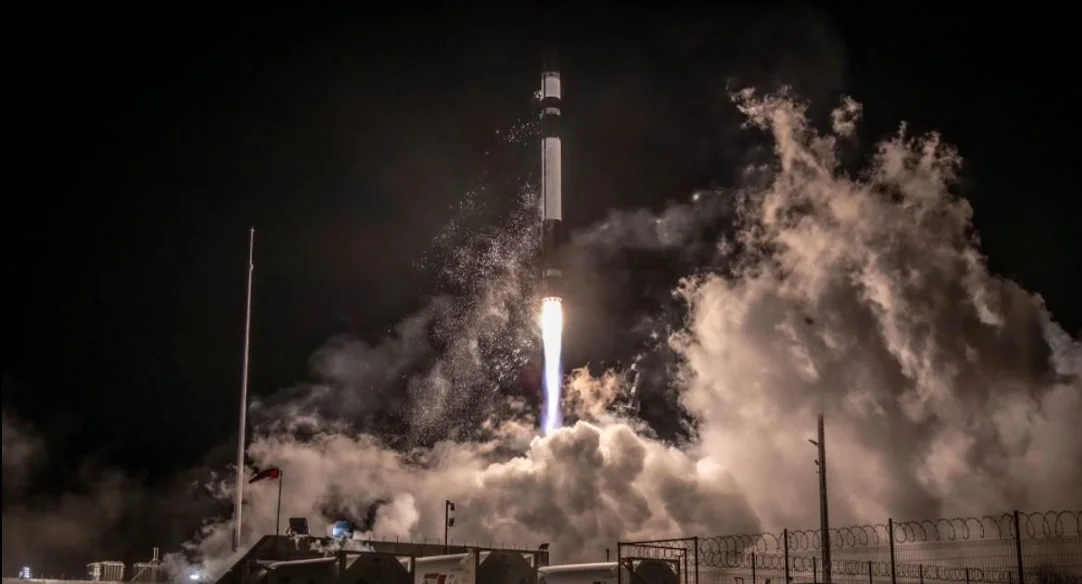
Rocket Lab arrives at this moment with ambitions extending far beyond launching small satellites. Its proposed $8 billion acquisition of Iridium would combine rockets, spacecraft manufacturing, licensed spectrum and an operating communications network under one company. Iridium’s 66-satellite constellation already serves more than 2.55 million subscribers, giving Rocket Lab a potential shortcut into global connectivity if regulators and shareholders approve the transaction. Rocket Lab’s transaction announcement says completion is targeted for mid-2027.
Attention will also fall on Neutron, Rocket Lab’s reusable medium-lift vehicle. The rocket is central to the company’s plan to launch larger satellite fleets and compete for more valuable government and commercial missions. Any movement in its development timetable could strongly influence expectations surrounding the company.
AST SpaceMobile is pursuing a different route into orbit: satellites designed to connect ordinary mobile phones without requiring specialised antennas. Its long-promised commercial network could provide coverage in remote areas where conventional towers are unavailable, but constructing and launching a global constellation requires enormous capital. Investors will therefore examine its satellite deployment schedule, spending and progress toward dependable service.
The fascination surrounding both companies reflects a broader struggle over who will control the infrastructure above Earth. Satellite networks are becoming essential not only for broadband but also for emergency communications, navigation, defence and direct-to-device mobile services.
Until the companies publish their numbers, forecasts should not be mistaken for confirmed results. Nevertheless, the evening’s announcements could reveal whether these challengers are moving closer to building credible alternatives to SpaceX or whether the extraordinary cost of competing in orbit is beginning to outrun their momentum. A market preview published on 10 August identifies revenue, network deployment and Neutron’s progress among the developments being closely watched. Current earnings preview