The artificial-intelligence investment boom has helped Siemens produce a record quarter as companies race to expand data centres, modernise factories and strengthen the electrical systems supporting digital infrastructure.
Siemens recorded industrial-business profit of approximately €3.5 billion during the three months ending in June. That represents a 25% increase from €2.8 billion a year earlier and the highest quarterly level in the company’s history.
The industrial profit margin improved from 14.9% to 17.3%, demonstrating that the company generated considerably more earnings from each euro of revenue.
Quarterly revenue rose by 8% on a comparable basis to €20.8 billion. Net income increased by 15% to approximately €2.6 billion, while free cash flow climbed by 42% to €4.1 billion.
New orders grew by 14% on a comparable basis and reached a record €27.9 billion. Siemens ended the quarter with an order backlog of approximately €132 billion, giving the company substantial visibility over future work.
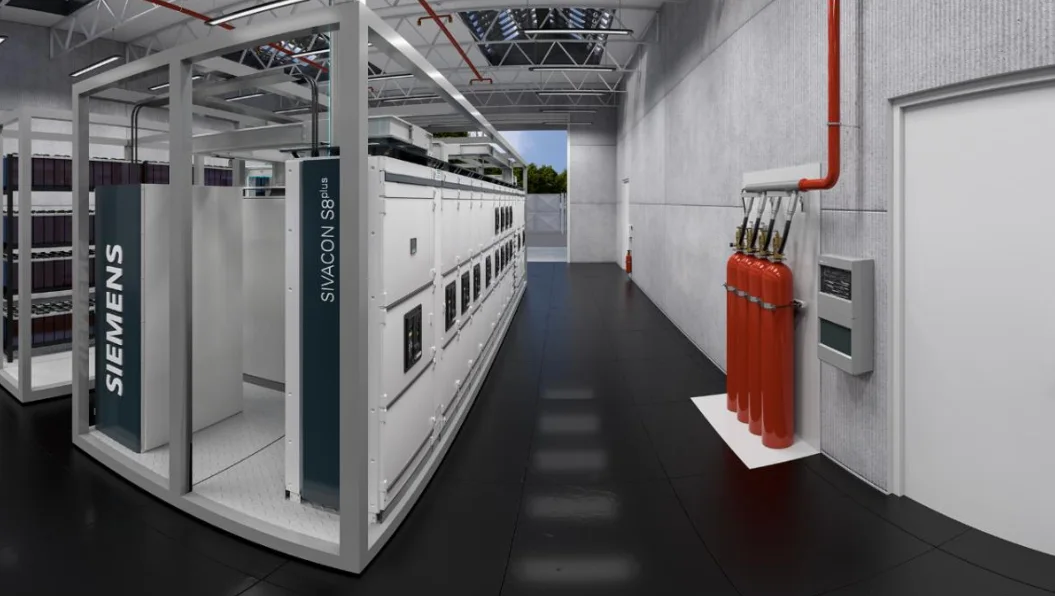
One of the largest sources of momentum was the Smart Infrastructure division, which supplies power-management systems, building technology and electrical equipment. These products are increasingly important to data centres, which require enormous amounts of reliable electricity and cooling.
Siemens reported triple-digit growth in data-centre orders during the first nine months of its financial year. The company works with nine of the world’s ten largest data-centre operators, placing it in a strong position to benefit from continued AI investment.
Its Digital Industries business also recorded growth in factory automation and industrial software. Revenue in the division rose by 10% to €4.9 billion, while software revenue increased by 15% to approximately €1.8 billion.
Following the results, Siemens increased its expected earnings per share before certain acquisition-related accounting expenses. The company now forecasts between €11.20 and €11.50 for the full financial year, compared with its previous projection of €10.70 to €11.10.
Despite the record numbers, Siemens shares fell sharply following the announcement. Investors appeared disappointed that Digital Industries orders, while growing, did not rise as quickly as some market forecasts had anticipated.
The market reaction illustrates how high expectations can influence share prices. A company can report record profit and still suffer a decline if investors had already priced even stronger growth into its stock.
Siemens’ performance also shows that the AI economy reaches far beyond software and semiconductor businesses. Data centres require transformers, power-distribution systems, automation equipment, cooling technology and advanced management software—all areas in which industrial companies can generate significant revenue.
Future performance will depend on whether data-centre investment remains strong and whether demand for factory equipment improves in weaker markets such as China. For now, Siemens’ record backlog provides considerable protection against a sudden slowdown.