Honeywell Aerospace suffered a punishing stock-market debut as an independent company after production shortages forced management to sharply reduce its financial expectations for 2026.
The company’s shares lost as much as 26% during Thursday’s trading, placing them on course for their worst performance since Honeywell Aerospace began trading separately on Nasdaq at the end of June.
The sell-off followed a quarterly announcement released after the previous market session. Investors reacted on 6 August as they assessed the size of the company’s forecast reduction and management’s admission that supply-chain improvements were taking longer than expected.
Honeywell Aerospace now expects organic sales growth of between 4% and 5% during 2026. Its previous forecast had projected considerably stronger growth of between 7% and 9%.
Expected adjusted earnings were reduced to between $7.60 and $7.90 per share. Market analysts had anticipated approximately $8.86 per share, leaving a significant gap between the company’s outlook and investor expectations.
Second-quarter sales rose by 5% to approximately $4.52 billion, but adjusted earnings per share fell by 32% to $1.87. Reported quarterly profit declined to about $246 million from $844 million a year earlier.
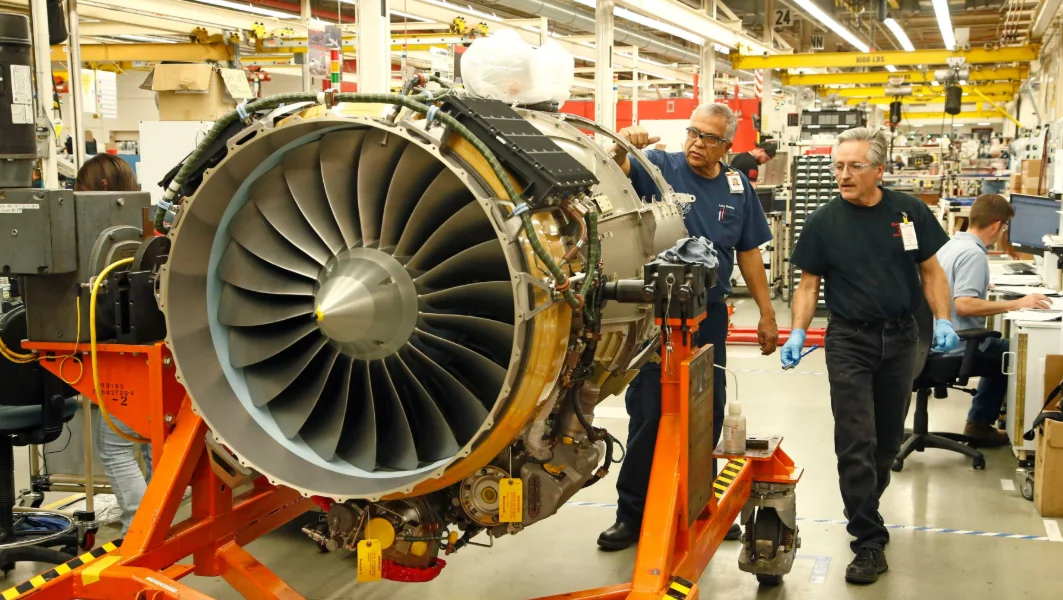
Demand for Honeywell’s aircraft engines, avionics, auxiliary power units and other aviation systems remains strong. The company’s difficulty lies in obtaining enough components and increasing production rapidly enough to complete customer orders.
Honeywell Aerospace is prioritising equipment deliveries to aircraft manufacturers such as Boeing and Airbus. While fulfilling those commitments is essential, it diverts scarce parts and labour from the company’s highly profitable maintenance and replacement-parts business.
Aftermarket services often produce better margins because airlines must maintain installed equipment throughout an aircraft’s working life. Delays in servicing this market can therefore have a disproportionate effect on profit.
The company is also prioritising American defence and space programmes over some higher-margin international contracts. This decision may strengthen relationships with important government customers but creates a less profitable short-term sales mixture.
Management plans to increase the number of suppliers producing essential components and bring additional manufacturing processes inside the company. These measures require investment and may take several quarters to deliver meaningful improvements.
Honeywell Aerospace also recorded approximately $100 million in expenses connected to its separation from the broader Honeywell organisation. Operating independently brings greater strategic control, but it also requires new corporate systems, staffing and administrative infrastructure.
The disappointing update comes during a period of unusually strong demand for commercial and military aircraft. Airlines are purchasing new planes, manufacturers possess large order backlogs and governments are expanding defence expenditure. Honeywell’s central challenge is therefore not finding customers—it is producing enough equipment to serve them.