What happened
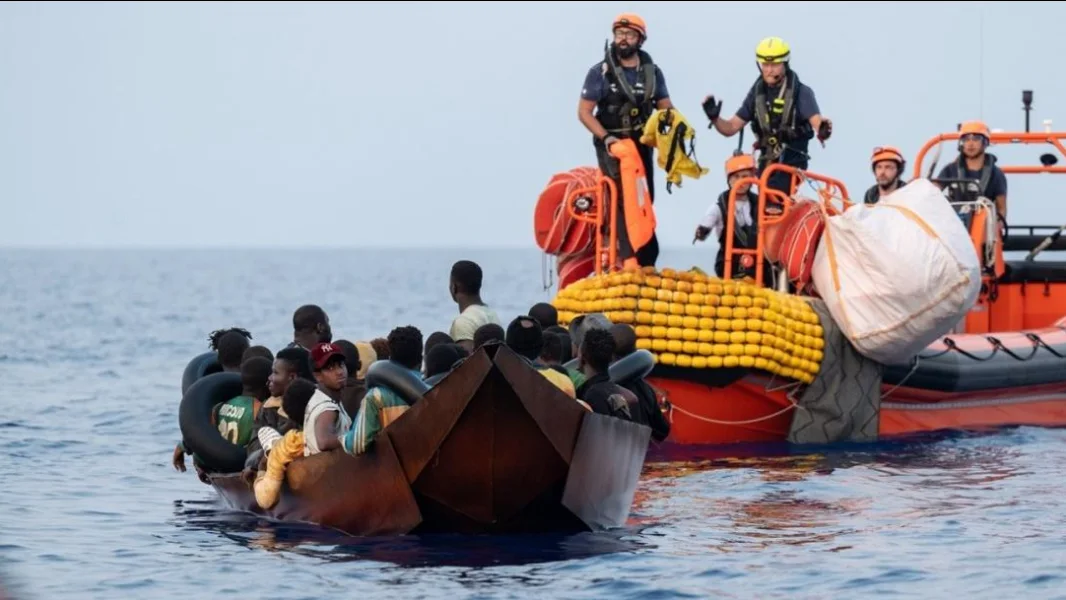
A rescue mission in the central Mediterranean turned into a tragedy after humanitarian workers discovered seven dead migrants aboard an overcrowded double-deck wooden boat in international waters off Libya.
Italian humanitarian organization EMERGENCY said its Life Support search-and-rescue vessel located the overcrowded boat during the early hours and began transferring passengers to safety.
Rescuers successfully brought 50 survivors aboard Life Support.
But during the operation, the team noticed something disturbing.
Nine people were lying on the deck of the migrant vessel.
According to Jonathan Nanì La Terra, head of mission aboard Life Support, other survivors had brought them up from the hold beneath the deck, where they had spent the journey.
For seven of them, rescuers were too late.
They were already dead.
Two others were alive but in critical condition after suffering from suffocation.
The circumstances suggest that the danger was not limited to drowning. People packed into poorly ventilated areas of overcrowded vessels can also face extreme heat, dehydration and oxygen deprivation during long journeys at sea.
The latest incident again turns the central Mediterranean into the scene of a humanitarian emergency in which people can die before a rescue ship even reaches them.
Why this matters
There is something particularly disturbing about this tragedy.
The boat did not have to sink for people to die.
That distinction reveals another dimension of the dangers associated with Mediterranean migration.
Public attention often focuses on shipwrecks: boats capsize, passengers fall into the sea and rescuers race against time.
But an overcrowded vessel can become deadly while it is still floating.
People travelling below deck may have little ventilation. Movement can be severely restricted. Access to drinking water may be limited. Passengers may spend hours exposed to dangerous temperatures and fumes.
By the time rescuers arrive, a vessel may still be above water while some of the people inside have already died.
The incident also demonstrates why humanitarian organizations continue describing the central Mediterranean as an exceptionally dangerous migration corridor.
EMERGENCY says its Life Support vessel has been conducting search-and-rescue operations in the region since 2022.
Who is affected
The 50 people rescued alive are the immediate survivors of the incident.
For them, reaching the rescue vessel does not necessarily end the emergency. Survivors can require treatment for dehydration, exhaustion, burns, injuries or psychological trauma accumulated before and during the journey.
The two people in critical condition face an especially serious medical battle after suffering from suffocation.
Then there are the families of the seven people who died.
Their relatives may be hundreds or thousands of kilometres away and may not immediately know what happened.
That creates another painful problem associated with deaths on migration routes: identifying victims and informing their families.
Humanitarian rescue organizations are also affected.
Their crews must respond not only to boats at immediate risk of sinking but to medical emergencies developing aboard overcrowded vessels.
European and North African governments face renewed scrutiny as well because Mediterranean migration remains both a humanitarian challenge and one of Europe's most politically divisive issues.
BoonVerse Analysis
The most frightening detail in this story is not the size of the boat.
It is the hold.
Imagine entering a cramped compartment below deck.
Dozens of people are around you.
There is limited airflow.
You cannot easily move.
You may have little water.
The journey continues for hours.
The boat remains afloat, creating the appearance that everyone aboard has survived the most dangerous part.
But below deck, conditions are deteriorating.
Eventually someone collapses.
Then another.
By the time people realize how serious the situation has become, escape may be extremely difficult.
That appears to be the central horror behind the latest rescue.
It also exposes a dangerous misconception about migration disasters.
A floating boat is not necessarily a safe boat.
Seaworthiness is only one part of survival.
Passenger numbers matter.
Ventilation matters.
Fuel fumes matter.
Temperature matters.
Water matters.
Medical conditions matter.
And how passengers are positioned aboard the vessel can determine who survives.
There is also a wider political reality.
Europe has debated irregular migration for years, often concentrating on borders, asylum rules, deportations and responsibility between governments.
Those debates will continue.
But today's deaths expose the human reality beneath those policies.
Whatever governments eventually decide about migration, people are still boarding dangerous vessels.
And while those journeys continue, the Mediterranean remains not simply a border between Africa and Europe.
For some passengers, it becomes the final place they are ever seen alive.
The challenge is therefore larger than rescuing individual boats.
Countries need strategies that address smugglers, safe migration pathways, asylum systems, instability in countries of origin and the conditions migrants face while moving through North Africa.
Without progress across those areas, rescue vessels will continue confronting emergencies after people are already at sea.
What happens next
The immediate priority is the medical treatment of survivors, particularly the two people reported in critical condition.
Life Support's crew must also continue caring for those rescued while arrangements are made for their safe disembarkation.
Attention will then turn toward establishing more details about the seven people who died, including their identities and countries of origin where possible.
The incident may also renew political debate over search-and-rescue operations in the central Mediterranean.
EMERGENCY has repeatedly argued that humanitarian rescue capacity remains essential because people continue attempting the crossing aboard dangerous and overcrowded vessels. Its own mission records show Life Support has carried out repeated rescues in the region.
But today's tragedy leaves one brutal reality that no political argument can erase.
Rescuers reached the vessel.
They saved 50 people.
Two more were still fighting for their lives.
But for seven passengers trapped in conditions below deck, rescue arrived too late.
Their boat never needed to disappear beneath the Mediterranean for the journey to become fatal.
Sources
The central information comes from EMERGENCY, the Italian humanitarian organization operating the Life Support search-and-rescue vessel. Its mission team reported finding the overcrowded wooden boat, rescuing 50 people and discovering nine passengers who had been brought from the vessel's hold, seven of whom could not be saved.
EMERGENCY — Life Support search-and-rescue updates
Current reporting published 18 August 2026 carries EMERGENCY's account of the rescue and confirms that two additional survivors were critically ill because of suffocation.