What happened
Two separate tragedies involving Hindu devotees have struck eastern India, killing at least 14 people and turning religious journeys into scenes of chaos and mourning.
The incidents occurred as large numbers of worshippers were travelling to or gathering at religious sites.
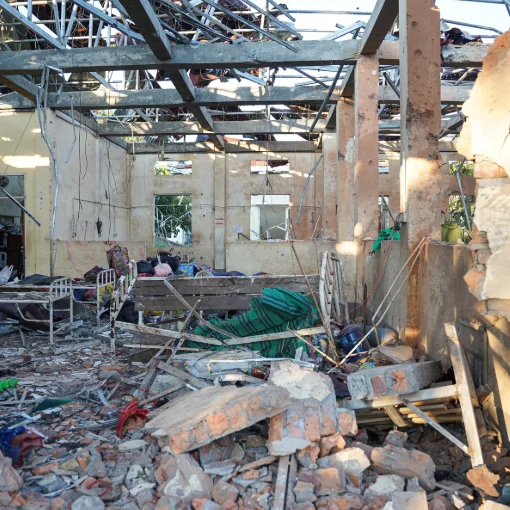
One disaster involved a stampede near a Hindu temple, where a surge in the crowd caused people to fall and become trapped as others continued moving through the congested area.
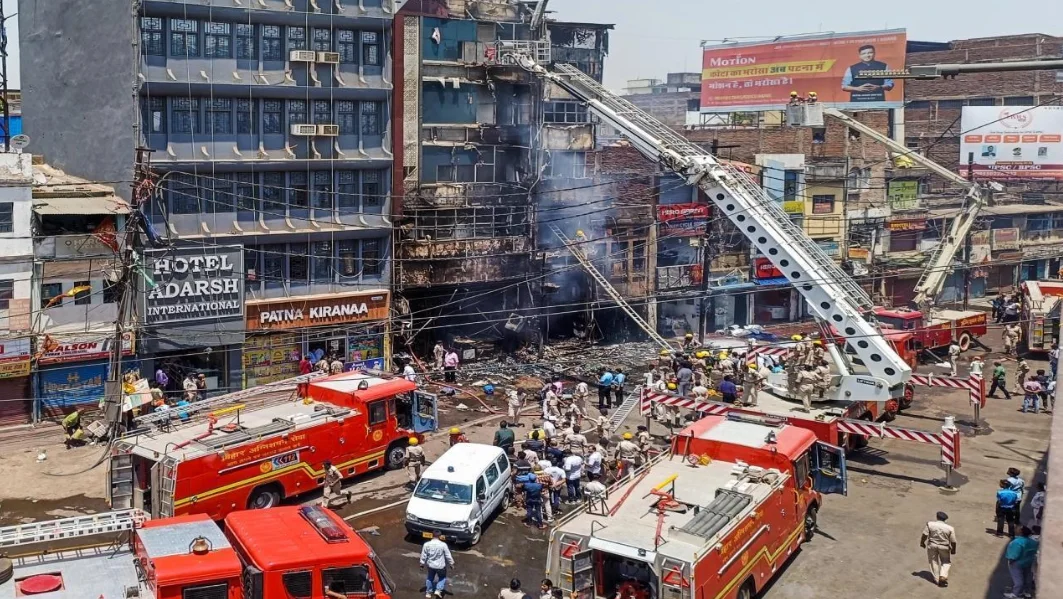
A separate tragedy unfolded when fire broke out at a hotel accommodating pilgrims, killing additional devotees.
Associated Press reporting published on 18 August 2026 puts the combined death toll from the two incidents at 14. Another report citing AFP placed the toll at 15, indicating that early casualty figures were still being reconciled.
That discrepancy is important.
In the immediate aftermath of mass-casualty events, hospitals, police and local authorities may release figures at different times. Until authorities provide a consolidated final count, at least 14 confirmed deaths is the more cautious figure.
The two disasters were separate events.
But together they expose the same underlying vulnerability:
large numbers of people gathering or staying in spaces where seconds can determine whether an emergency remains manageable or becomes catastrophic.
Why this matters
India hosts some of the world's largest religious gatherings.
Millions of people travel every year to temples, festivals, rivers and pilgrimage destinations.
Most complete those journeys safely.
But extremely dense crowds create a particular kind of danger.
People do not necessarily need to panic for a stampede or crowd crush to become deadly.
When too many people enter a restricted space, individuals can lose the ability to control their own movement.
Someone falls.
People behind cannot stop.
More people fall.
Within moments, enormous pressure can develop inside the crowd.
The hotel fire exposes a different but related risk.
Pilgrimage destinations can experience sudden increases in accommodation demand when religious events attract large numbers of visitors.
That makes fire alarms, emergency exits, evacuation routes and building-safety enforcement especially important.
When those systems fail—or when fire spreads faster than occupants can escape—the consequences can be devastating.
Who is affected
The families of those killed face the greatest loss.
Their relatives left home expecting to participate in religious observances.
Some will now return in coffins.
Other pilgrims are affected psychologically as well.
Witnessing people being crushed in a crowd or becoming trapped inside a burning building can leave survivors carrying memories of the disaster long after physical injuries heal.
Local authorities and emergency services now face questions about how the incidents occurred and whether stronger precautions could have reduced the casualties.
Temple administrators and pilgrimage organizers may also face scrutiny over crowd-management procedures.
For the hospitality sector surrounding religious destinations, the hotel fire creates another concern.
Hotels serving pilgrims are not merely businesses.
During major religious events, they effectively become part of the infrastructure supporting enormous temporary populations.
Their safety standards therefore matter far beyond ordinary tourism.
BoonVerse Analysis
The disturbing thing about these two disasters is how ordinary both situations initially appear.
Entering a temple.
Sleeping in a hotel.
Neither sounds dangerous.
But mass gatherings change the mathematics of safety.
Imagine 100 people approaching an entrance.
Then 1,000.
Then 10,000.
The entrance does not become wider simply because more people arrive.
A staircase does not automatically gain additional capacity.
A narrow road does not expand.
A hotel does not suddenly acquire more emergency exits.
Eventually, the number of people can exceed what the physical environment can safely accommodate.
That is where crowd management becomes as important as policing.
Authorities need to understand where people enter.
Where they leave.
Where queues form.
Where movement slows.
Where opposing streams of pedestrians collide.
And where someone falling could trigger a dangerous chain reaction.
Technology can increasingly help.
Cameras can measure crowd density.
Digital ticketing can limit entry.
Temporary barriers can create one-way pedestrian flows.
Public-address systems can redirect people before congestion becomes dangerous.
Real-time monitoring can identify pressure points before they turn into emergencies.
But technology alone cannot solve the problem.
Someone must be empowered to say:
“This area is full. Stop admitting people.”
The hotel fire carries a similar lesson.
Fire safety can look expensive or inconvenient until the moment it becomes the only thing standing between occupants and disaster.
Emergency exits.
Smoke detectors.
Fire extinguishers.
Unblocked stairways.
Electrical inspections.
Staff evacuation training.
Each may seem routine.
During a real fire, they become life-saving infrastructure.
India's enormous religious traditions will continue bringing millions of people together.
The objective should never be to prevent those gatherings.
It should be to make sure devotion does not require people to gamble with their lives.
What happens next
Authorities will need to establish the precise circumstances behind both incidents.
For the stampede, investigators are likely to examine crowd numbers, access routes, security arrangements and what triggered the sudden dangerous movement.
One central question will be whether the site had become overcrowded before the deaths occurred.
The hotel fire will require a different investigation.
Authorities will need to determine where the fire began, how rapidly it spread and whether the building complied with applicable fire-safety requirements.
The final casualty count also requires clarification because early reports differ slightly, with current reporting placing the combined toll at at least 14.
But investigations should ultimately produce more than explanations.
They should produce changes.
If crowd barriers failed, redesign them.
If entrances became dangerously congested, control capacity.
If emergency exits were inadequate, strengthen inspections.
If warning systems failed, replace them.
Because after mass-casualty events, the most important question is not simply:
“How did these people die?”
It is:
“What must change so another group of families never receives the same terrible news?”
For at least 14 families in India, those changes will come too late.
A journey undertaken in faith has ended in grief.
Sources
Associated Press — 18 August 2026: Current reporting confirms that 14 people were killed in two separate incidents involving Hindu devotees in eastern India: a temple-related stampede and a hotel fire.
A separate AFP report published in today's international press reported a combined toll of 15 deaths, showing that casualty numbers were still being updated and reconciled as information emerged.