A powerful earthquake struck eastern Indonesia before dawn on Saturday, 15 August 2026, killing at least 20 people and sending thousands fleeing from vulnerable coastal communities.
The magnitude-7.7 earthquake struck offshore near Indonesia's Flores region at approximately 4:58 a.m. local time, according to Indonesia's meteorological and geophysics authorities. The earthquake occurred at a relatively shallow depth of about 15 kilometres, contributing to intense shaking across parts of the region.
The disaster was followed by dozens of aftershocks, creating further danger for communities already dealing with damaged buildings, blocked roads and disrupted communications.
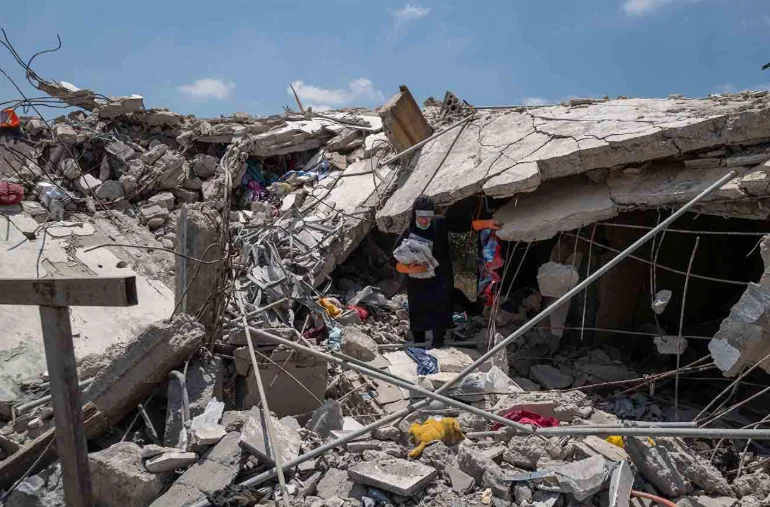
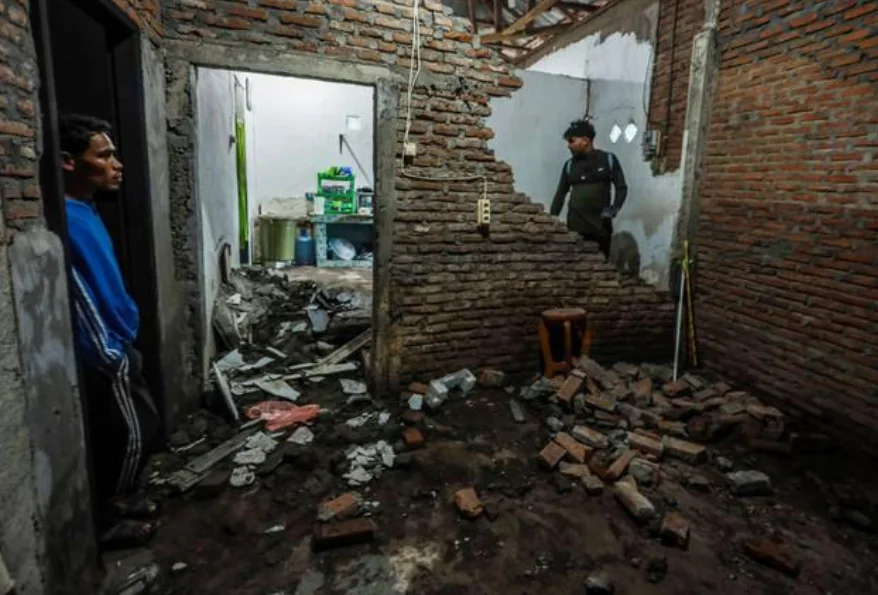
People killed as homes collapse
Some victims were killed when buildings collapsed while residents were sleeping.
The area around Maumere, the main town of Sikka Regency on Flores Island, was among the hardest hit. Rescue workers recovered most of the confirmed victims there, while reports indicated that people remained trapped following the destruction.
The death toll could change as emergency teams reach communities that were initially difficult to access.
The earthquake struck at an especially dangerous hour. With many residents still asleep, people had little warning before powerful shaking began.
Tsunami warning sends residents toward higher ground
The strength and offshore location of the earthquake immediately created another fear: a tsunami.
Authorities issued a tsunami warning, prompting residents in vulnerable coastal communities to move toward higher ground.
Small tsunami waves measuring below one metre were subsequently recorded. Authorities lifted the warning approximately three hours later after determining that the immediate tsunami danger had subsided.
For coastal residents, however, those hours brought considerable uncertainty as they waited away from their homes while aftershocks continued.
Around 2,000 people evacuated
The situation was particularly serious in Nagekeo, close to the earthquake's epicentre.
Approximately 2,000 residents were evacuated as authorities assessed damage and the continuing risk from aftershocks.
Landslides blocked transportation routes, communications were disrupted and buildings suffered significant damage. Power outages and traffic congestion further complicated emergency operations.
The disruption illustrates how earthquakes can produce multiple emergencies simultaneously.
Even buildings that remain standing may become unsafe, while damaged roads can prevent ambulances, firefighters and rescue equipment from reaching isolated communities.
Hospitals move patients outside
Hospitals also faced difficult conditions following the earthquake.
Concerns about structural safety forced patients at some medical facilities to be moved outside as authorities assessed whether buildings could withstand continuing aftershocks.
This creates a particularly dangerous situation during a disaster.
Hospitals must simultaneously treat people injured by the earthquake while ensuring that patients already receiving medical care are not endangered by damaged buildings.
Aftershocks keep communities on alert
Dozens of aftershocks followed the initial earthquake.
Aftershocks can cause additional destruction because structures weakened during the first earthquake may collapse during subsequent shaking.
Residents have therefore been urged to remain cautious around damaged buildings.
Emergency workers face the same danger while searching through debris.
Every rescue operation must balance the urgency of reaching potentially trapped survivors against the possibility that unstable structures could collapse again.
Indonesia confronts another major seismic disaster
Indonesia is located along the Pacific Ring of Fire, one of the world's most seismically active regions.
Flores itself has experienced devastating earthquakes before. A powerful earthquake in the region in 1992 generated a destructive tsunami and killed large numbers of people.
Saturday's disaster has inevitably revived memories of that catastrophe among communities familiar with the destructive potential of earthquakes and tsunamis.
Why this is major breaking news
Unlike the Colombia earthquake story discussed earlier, this disaster began today, 15 August 2026.
A magnitude-7.7 earthquake struck before dawn, at least 20 people have been confirmed dead, thousands have been evacuated, buildings have collapsed and rescue teams are still working across damaged communities.
The tsunami threat may have passed, but Indonesia's emergency is far from over.
The immediate priorities are now finding anyone still trapped, treating the injured, restoring access to isolated communities and protecting survivors from continuing aftershocks.
With rescue operations still underway, the full scale of the disaster may not yet be known.