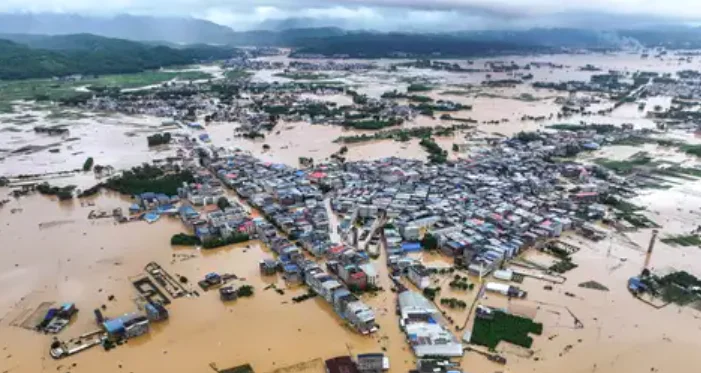
China is battling a fresh natural-disaster emergency as torrential rainfall, flooding and landslides strike several parts of the country, leaving casualties and forcing authorities to intensify rescue and prevention efforts.
On Saturday, 15 August 2026, President Xi Jinping called for improvements to China's ability to prevent, mitigate and respond to disasters as authorities confronted the latest destruction caused by extreme summer rainfall.
The situation has become particularly dangerous because prolonged heavy rain can produce several disasters almost simultaneously.
Rivers can overflow, urban areas can flood and saturated mountainsides can suddenly collapse, sending enormous quantities of earth and rock toward roads, buildings and communities.
Lives lost as extreme weather intensifies
The latest weather emergencies have resulted in deaths and people being reported missing, according to information reported from China on Saturday.
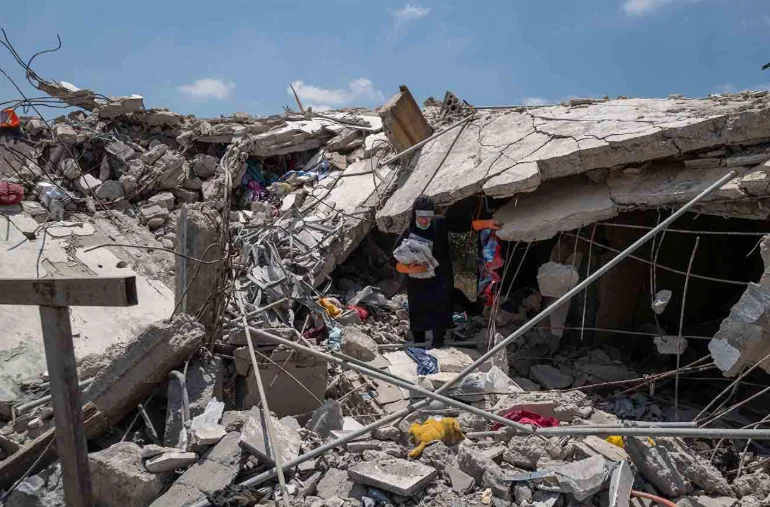
Search-and-rescue operations are particularly difficult after landslides because victims can become trapped beneath enormous volumes of mud, rock and debris.
Flooding creates a different set of dangers.
Fast-moving water can sweep away vehicles and people, isolate entire communities and make roads impossible for emergency vehicles to use.
Authorities are therefore working not only to rescue people already affected but also to identify areas where additional evacuations may be necessary.
Xi orders stronger disaster preparedness
The severity of the situation prompted intervention from China's highest political level.
President Xi called for authorities to strengthen the country's ability to prevent disasters, reduce their impact and respond when emergencies occur.
The instruction places additional pressure on local governments to monitor dangerous weather conditions, issue warnings quickly and move residents away from areas vulnerable to floods and landslides.
Early evacuation can be particularly important in mountainous communities.
Once a landslide begins, residents may have only seconds or minutes to escape.
Roads and infrastructure face serious danger
Extreme rainfall can damage much more than homes.
Floodwaters and landslides can destroy roads, bridges, electricity infrastructure, telecommunications networks and agricultural land.
That creates a second emergency after the initial disaster.
A community may survive the flooding but become isolated because its only access road has disappeared. Electricity failures can disrupt communications, while damaged water systems can create sanitation problems.
Restoring transportation links therefore becomes essential for delivering food, medicine and rescue equipment.
China's summer of extreme weather continues
The latest emergency comes during a difficult period of weather-related disasters across China.
Summer rainfall can be extremely intense in parts of the country, while mountainous terrain increases the possibility that saturated soil will collapse.
Authorities must therefore monitor both major rivers and smaller communities located beneath unstable slopes.
The danger can also continue after rainfall stops.
Water levels may remain elevated, while saturated hillsides can fail hours or even days after the heaviest rain has passed.
Why this is major breaking news
This is a developing emergency today, 15 August 2026, rather than an older disaster being presented as a new event.
The combination of fatalities, missing people, landslides, flooding and damage across multiple areas has prompted China's president to demand stronger national disaster-response capabilities.
The immediate priority is finding missing people and protecting communities still threatened by unstable slopes and rising water.
But the disaster also raises a much larger challenge for China: how to protect enormous populations and critical infrastructure as increasingly severe weather repeatedly tests the country's disaster-response systems.
With rescue operations and weather monitoring continuing, the full human and economic impact is still developing.