One of the world’s most strategically important waterways could become the centre of a new international confrontation after Iranian lawmakers began examining restrictions against ships connected to countries Tehran considers hostile.
The preliminary legislation would target vessels associated with the United States, Israel and potentially other governments selected by Iran. Those ships could be denied permission to travel through the Strait of Hormuz.
The draft also proposes severe financial penalties. A vessel found violating the restrictions could be fined an amount equivalent to as much as 20% of the value of its cargo.
Such a penalty could represent millions of dollars for a single oil tanker or commercial ship. It could also discourage shipping companies, insurers and crews from entering the area if the rules were enforced.
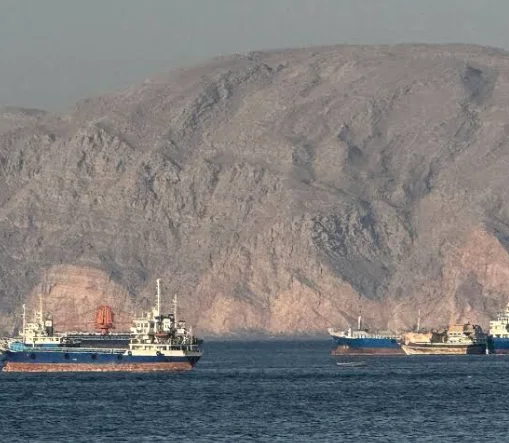
The Strait of Hormuz is a narrow maritime passage linking the Persian Gulf with the Gulf of Oman and the wider Arabian Sea. Oil and gas shipments from several Middle Eastern producers depend on this route to reach international markets.
Even without a physical closure, uncertainty surrounding access could affect shipping costs. Insurance premiums may rise, vessels could face delays, and energy traders may respond to the possibility of disrupted supplies.
However, Iran has not closed the strait under this proposal. The legislation remains at an early stage and is being examined by specialists before a final version is submitted for broader parliamentary consideration.
Lawmakers have invited expert recommendations, indicating that important questions remain unresolved. These include how a ship’s nationality or affiliation would be determined and how any prohibition could be enforced without creating a military confrontation.
Commercial vessels frequently operate through international ownership structures. A ship may be registered in one country, owned by a company in another, insured elsewhere and carrying cargo destined for several markets. That complexity could make the proposed restrictions difficult to apply.
The draft emerges during heightened tensions involving Iran, Israel and the United States. Any attempt to stop or seize a vessel could provoke diplomatic retaliation, naval deployments or additional sanctions.
Gulf countries would also face significant risks because their economies depend heavily on secure maritime trade. A confrontation in the strait could affect exporters and importers far beyond the countries directly involved.
The next step will depend on whether the committee approves a final draft and sends it to parliament. Until then, international shipping through the strait continues, and the proposed restrictions should not be described as an active blockade.