Intel is asking the financial markets to help fund one of the technology industry’s most expensive comeback attempts, announcing plans to sell $15 billion in new shares as it expands its chip-manufacturing operations.
The company intends to use the proceeds for general corporate requirements, including new manufacturing equipment, factory development and working capital. Banks managing the transaction will also receive a 30-day option to purchase an additional $2.25 billion in shares, potentially increasing the total offering to $17.25 billion.
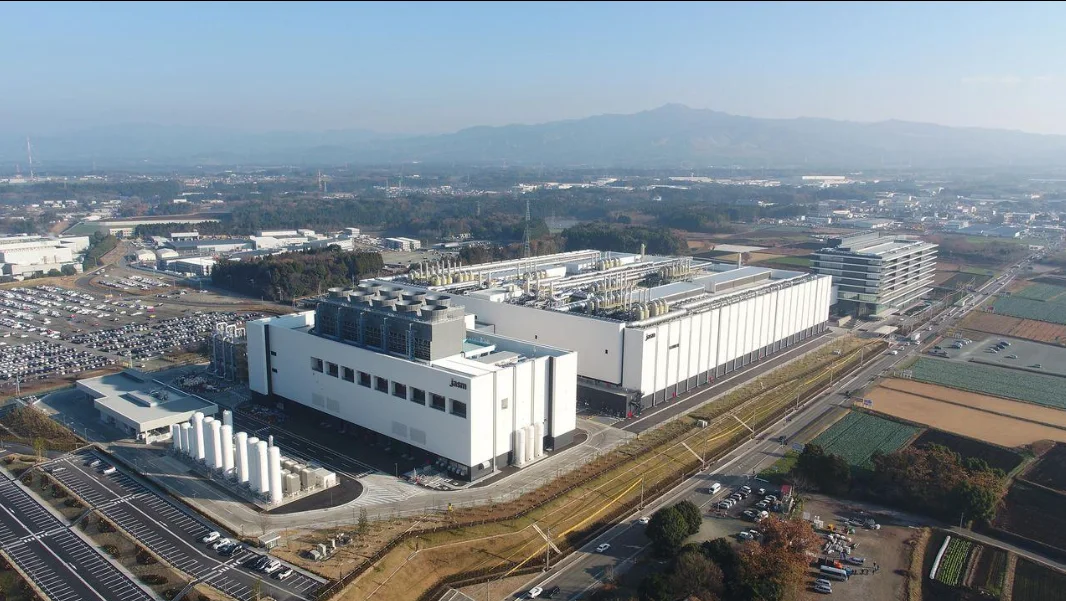
Building an advanced semiconductor factory requires enormous investment long before the first commercially usable chip leaves the production line. Intel is developing new fabrication processes while expanding advanced packaging capacity the technology used to combine multiple computing components inside one powerful chip system.
Central to the strategy is Intel Foundry, the division that manufactures semiconductors for outside customers. Intel wants the business to become a credible alternative to Taiwan Semiconductor Manufacturing Company, which currently produces many of the world’s most advanced processors.
Artificial-intelligence infrastructure is creating an opening for that strategy. AI data centres require enormous quantities of processors, memory, networking components and specialized packaging. Technology companies are also seeking a more geographically diverse supply chain instead of depending too heavily on a limited number of Asian manufacturing locations.
Intel recently increased its projected 2026 capital expenditure from approximately $18 billion to more than $20 billion. It is also working towards commercial production using its future 14A manufacturing process by 2028, a milestone that could determine whether major chip designers entrust Intel with their most valuable products.
However, the share sale creates an immediate disadvantage for existing investors because issuing additional stock reduces their percentage ownership. Intel shares declined after the announcement as markets weighed that dilution against the potential long-term benefits of stronger manufacturing capacity.
The company’s stock had already risen dramatically during 2026, giving management an opportunity to raise capital at a considerably higher valuation. That decision represents a sharp reversal from Intel’s earlier practice of spending billions repurchasing its own shares.
Intel is effectively placing a $15 billion wager on the belief that the AI boom will require more than better chip designs it will require new factories capable of producing those chips at enormous scale. Success could restore Intel as a central manufacturer for the global technology industry; failure would leave shareholders financing an exceptionally expensive experiment. Intel announced the offering on 10 August 2026