What happened
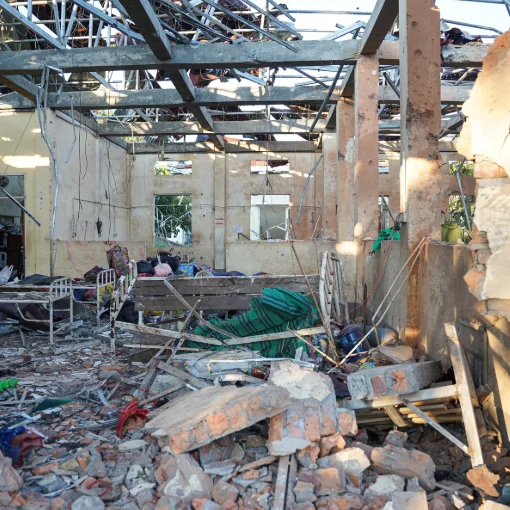
Indonesia is confronting a rapidly escalating humanitarian emergency following the powerful earthquake that struck Flores and surrounding areas of East Nusa Tenggara on 15 August 2026.
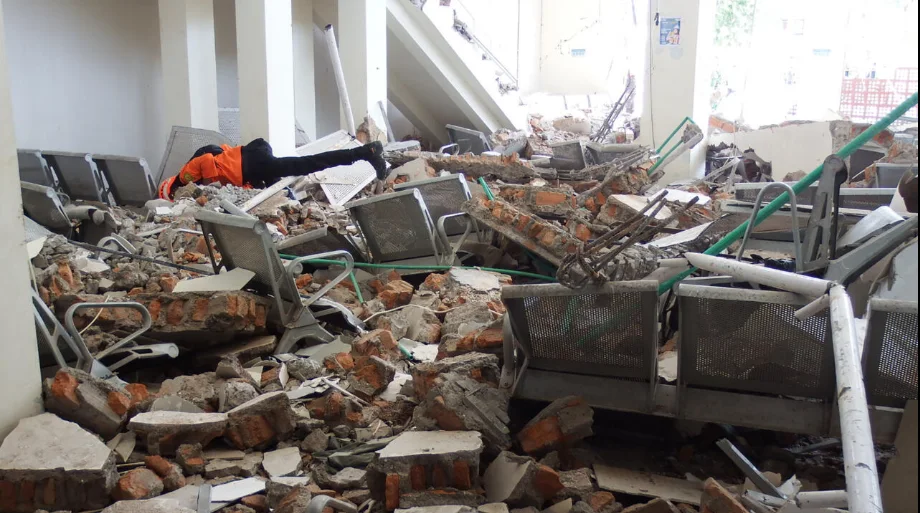
The main earthquake measured magnitude 7.7 and struck at a shallow depth, causing severe shaking, building collapses, landslides and widespread fear across communities in eastern Indonesia.
But the most alarming new development came on Monday, 17 August.
Indonesia's official Meteorology, Climatology and Geophysics Agency (BMKG) announced that it had recorded an extraordinary 1,624 aftershocks by 11:00 a.m. local time.
Those aftershocks ranged between magnitude 1.3 and 6.2. BMKG said 23 registered above magnitude 5, while 59 were strong enough to be felt by residents.
At the same time, the human toll has worsened.
Current rescue reports put the number of deaths at at least 68, with more than 200 people injured. Rescue operations have continued across damaged areas as teams search through debris and attempt to reach communities isolated by landslides and blocked roads.
Thousands have been forced from their homes.
Many survivors are reluctant to sleep indoors because repeated aftershocks have kept the ground moving and raised fears that already weakened buildings could collapse.
The disaster has created a surreal contrast across the country.
17 August is Indonesia's Independence Day.
While millions of Indonesians marked the country's 81st anniversary of independence, families in Flores were mourning relatives, sleeping outside and waiting for emergency assistance.
Why this matters
The number 1,624 demonstrates why this emergency is far from over.
A major earthquake can cause catastrophic damage in seconds.
But powerful aftershocks can extend the danger for days.
Buildings damaged by the original earthquake may become increasingly unstable.
Landslides can block roads.
Residents may refuse to return home.
Rescue operations become more dangerous.
Hospitals and emergency shelters can struggle to function while the ground continues shaking.
BMKG's data show that some of the aftershocks have themselves been substantial earthquakes, with the strongest reaching magnitude 6.2.
That means survivors are not simply dealing with memories of Saturday's disaster.
They are experiencing an ongoing seismic crisis.
The situation is particularly serious because Indonesia lies along the Pacific Ring of Fire, where major tectonic plates interact and earthquakes and volcanic activity are common.
Flores has experienced devastating seismic disasters before, giving many residents painful historical reasons to take tsunami and earthquake threats seriously.
Who is affected
Families across Flores and East Nusa Tenggara are carrying the heaviest burden.
People have lost relatives.
Homes have been damaged or destroyed.
Thousands have been displaced.
Some communities face shortages of clean water, food and medical supplies while access remains difficult.
Children and elderly residents are particularly vulnerable when families remain outdoors or in temporary shelters for prolonged periods.
Hospitals and healthcare workers are under additional pressure.
Damage to medical infrastructure has forced authorities to prepare or establish temporary treatment facilities while dealing with earthquake-related injuries and other health needs.
Rescue workers, soldiers and police face their own danger.
They must navigate unstable structures, damaged roads and landslide-prone terrain while aftershocks continue.
Indonesia's government is also affected at the national level.
A day normally devoted to celebrating independence has instead become partly defined by mourning and emergency response.
BoonVerse Analysis
The first earthquake lasted minutes.
The disaster could last months.
That distinction matters.
Breaking-news coverage naturally concentrates on magnitude numbers, collapsed buildings and death tolls.
But earthquakes create several disasters at once.
First comes the shaking.
Then comes the search for survivors.
Then displacement.
Then damaged hospitals.
Then shortages of water and food.
Then families discover whether their homes are safe enough to enter.
Then businesses attempt to reopen.
Then schools must restart.
Then roads, electricity networks and public infrastructure need rebuilding.
And eventually comes the psychological impact of living through thousands of aftershocks.
Imagine surviving a magnitude-7.7 earthquake and then feeling the ground shake repeatedly afterward.
Every movement creates another question:
Is another major earthquake beginning?
That fear explains why many survivors prefer sleeping outdoors even when their houses remain standing.
There is another important lesson in today's numbers.
Indonesia is one of the world's most earthquake-exposed countries, but familiarity with earthquakes does not eliminate vulnerability.
Disaster preparedness can save lives.
Strong construction standards can reduce collapses.
Tsunami-warning systems can provide precious information.
Emergency planning can accelerate rescue operations.
But when a powerful shallow earthquake strikes close to populated communities, geography still has enormous power.
The challenge now is therefore shifting.
Indonesia survived the initial shock.
It must prevent the aftermath from creating another humanitarian disaster.
Food needs to reach isolated communities.
Clean water needs to remain available.
Medical services must function.
Temporary shelters need to withstand weather conditions.
And authorities must continually communicate reliable seismic information so frightened residents can distinguish genuine danger from rumours.
The extraordinary 1,624 aftershocks recorded by 17 August make that communication especially important.
What happens next
The immediate priority remains rescue, humanitarian assistance and seismic monitoring.
Search teams are continuing operations in affected areas, while authorities are working to deliver food, water, medicine and other emergency supplies to communities struggling to receive assistance.
Aerial operations are also important because landslides and damaged roads have complicated access to some locations.
BMKG will continue monitoring aftershock activity.
The agency has urged residents to remain calm but vigilant, particularly while the earthquake sequence continues.
Authorities will also need to determine which buildings remain structurally safe.
That assessment could determine when thousands of displaced residents can return home—or whether some communities face a much longer period in temporary accommodation.
Then comes reconstruction.
Homes.
Schools.
Hospitals.
Roads.
Businesses.
Water systems.
Public buildings.
All will need to be inspected, repaired or rebuilt depending on the extent of the damage.
But on 17 August 2026, reconstruction still feels distant for many families.
Indonesia's Independence Day normally celebrates survival, unity and national progress.
This year, communities across Flores marked it surrounded by collapsed buildings, emergency shelters and an almost unimaginable sequence of aftershocks.
The earthquake struck two days ago.
Today’s shocking development is that the ground has barely stopped moving.
Sources
Indonesia's official BMKG reported on 17 August 2026 that 1,624 aftershocks had been recorded by 11:00 a.m., ranging from magnitude 1.3 to 6.2, including 23 events above magnitude 5.
BMKG — Official 17 August earthquake update
Indonesia's BNPB is coordinating national disaster response, while current reporting on 17 August puts the death toll at at least 68 and describes continuing searches, displacement and difficulties getting assistance into affected communities.