Hungary’s ruling Tisza party has formally proposed that the country’s Parliament elect a new president on 11 August 2026, opening another significant stage in the country’s rapid political transformation.
The proposal was published on the Hungarian Parliament’s official website on Wednesday, 5 August. Parliament has not yet elected the new president, and the ruling party’s presidential candidate was not identified in the announcement reported by Reuters.
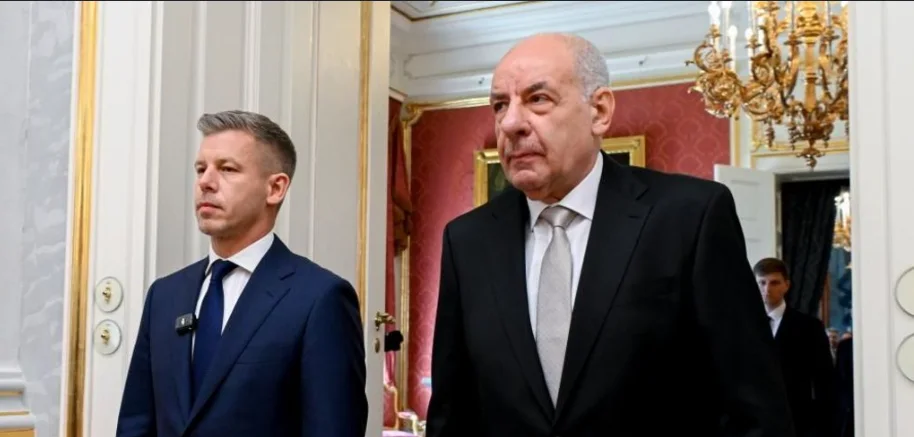
Hungary is currently being led by interim President Ágnes Forsthoffer, who is also speaker of the National Assembly. She assumed the temporary position after former President Tamás Sulyok’s term ended in July following a constitutional amendment adopted by the new government.
Sulyok had been elected president in 2024 under the former government led by Viktor Orbán’s Fidesz party. Prime Minister Péter Magyar accused him and several other senior officials of helping Orbán maintain influence over important state institutions after leaving office.
The political change follows the April 2026 parliamentary election, in which Magyar’s Tisza party defeated Fidesz and ended Orbán’s uninterrupted 16-year premiership. Tisza secured a powerful parliamentary mandate, giving the new government significant authority to reform institutions and amend the Constitution.
Magyar says electing a new head of state and drafting a new constitution are central to restoring democratic checks and balances. His government argues that years of appointments under Orbán allowed loyalists to dominate the judiciary, public institutions, regulatory bodies and other centres of power.
Supporters of the reforms believe they will strengthen accountability, reduce political favouritism and bring Hungary closer to the democratic standards of the European Union. The government has also promised greater transparency and stronger action against corruption.
However, critics warn that using a large parliamentary majority to replace officials and rapidly rewrite constitutional arrangements could concentrate too much authority in the new government. Former President Sulyok described the legal changes that ended his term as damaging to democratic principles and the rule of law.
Orbán’s Fidesz party has strongly opposed the reforms. Its lawmakers previously boycotted the parliamentary vote that brought Sulyok’s term to an end, arguing that Tisza was using its majority to remove political opponents rather than establish independent institutions.
Hungary’s president performs a largely ceremonial role, while executive power rests mainly with the prime minister. Nevertheless, the head of state can sign legislation, represent national unity and exercise constitutional responsibilities that become important during political disputes.
The election will therefore be watched closely throughout Europe. Orbán frequently clashed with the European Union over judicial independence, media freedom, migration and relations with Russia. Magyar has promised to rebuild cooperation with European institutions while reversing elements of Orbán’s political system.