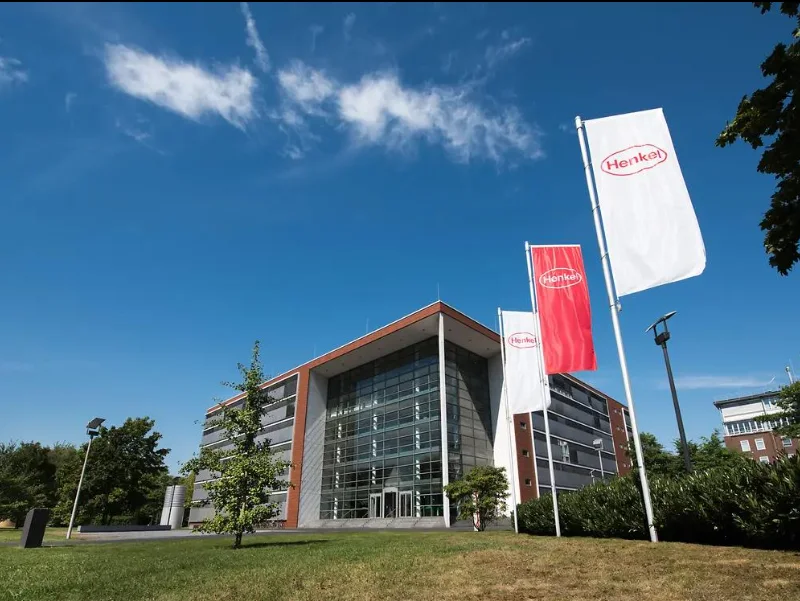
Henkel has increased its expectations for 2026 after stronger demand across its two principal businesses gave the German company a more confident outlook for the remainder of the year.
The Düsseldorf-based group now expects organic sales to grow by between 1.5% and 3.5% during 2026. Its earlier forecast had predicted growth ranging from 1% to 3%.
Organic sales measure changes generated by the company’s existing operations while excluding currency movements, acquisitions and disposals. This figure can provide a clearer view of whether customers are purchasing more products or accepting higher prices.
Henkel achieved organic growth of 3.2% during the first half of the year, exceeding the approximately 2.5% expected by market analysts. Both higher sales volumes and carefully managed price adjustments contributed to the result.
The strongest performance came from Henkel’s Adhesive Technologies division, where organic sales increased by 4.5%. This business supplies specialised adhesives, sealants and coatings used in vehicles, electronics, packaging and industrial manufacturing.
Its Consumer Brands division—which includes Persil detergents, Bref cleaning products and Schwarzkopf and Syoss hair-care ranges—recorded organic growth of 1.7%. The difference demonstrates how industrial customers are currently producing stronger momentum than everyday household products.
Henkel’s reported first-half sales slipped slightly from approximately €10.40 billion to €10.35 billion. The decline does not contradict the organic increase because reported revenue is also influenced by currency exchange rates and changes to the company’s portfolio.
Adjusted operating profit reached around €1.62 billion, surpassing market expectations of approximately €1.59 billion. Henkel retained its forecast for an adjusted operating margin of between 14.5% and 16% for the full year.
The company has been reorganising its consumer business, investing in premium hair-care brands and purchasing businesses capable of delivering faster growth. At the same time, its less visible industrial-adhesives operation has become an increasingly important source of resilience.
Henkel’s improved forecast carries broader economic significance because its products enter numerous manufacturing supply chains. Stronger adhesive demand can indicate continued activity in industries such as automotive production, electronics, construction and packaging.
However, the company still faces risks from currency movements, volatile raw-material prices and cautious household spending. Its revised forecast assumes that global economic and geopolitical conditions will not deteriorate sharply during the second half of 2026.