The company behind Guinness, Johnnie Walker and Smirnoff is preparing for one of the most significant transformations in its history after falling sales forced management to reconsider how the global drinks empire operates.
Diageo’s chief executive, Sir Dave Lewis, presented a strategy designed to remove $1 billion in annual costs over the next three years. The changes will simplify management structures, combine duplicated responsibilities and reshape administrative operations across the company.
The restructuring is expected to affect Diageo’s international workforce. Management has not confirmed how many positions will disappear, although the company recorded approximately $514 million in severance-related expenses during its latest financial year.
Implementing the wider programme is projected to cost around $1.2 billion. Diageo expects the long-term savings to provide money for competitive pricing, product development and additional investment in brands showing stronger growth potential.
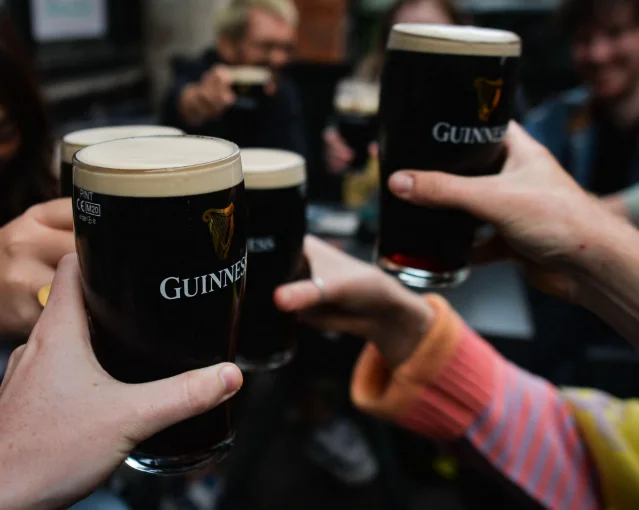
Guinness will occupy a central position in the recovery strategy. Diageo plans to invest heavily in expanding production as the famous Irish stout attracts new customers beyond its traditional markets.
Annual Guinness production capacity is expected to rise from approximately 8.2 million hectolitres to 15.7 million hectolitres by 2031. The expansion is intended to prevent supply shortages and support further growth in markets such as North America.
Diageo will also increase its focus on canned cocktails, smaller bottle sizes and mid-priced products. These categories may appeal to customers who are reducing their spending but still want convenient branded drinks.
The overhaul follows a difficult year in which Diageo’s net sales fell by approximately 3% to $19.64 billion. Demand has been particularly weak in North America and China, while changing drinking habits and financial pressure on consumers have affected several premium alcohol brands.
Lewis warned that a meaningful recovery in the North American market could take time. The company now expects low-single-digit organic sales growth through 2029, replacing its previous, more ambitious target of between 5% and 7%.
Investors initially welcomed the strategy, pushing Diageo’s shares higher after the announcement. The response suggests that shareholders support decisive action, although the plan’s success will depend on whether cost reductions can be achieved without weakening production, distribution or brand development.
For the wider drinks industry, Diageo’s decision is an important warning. Even companies controlling some of the world’s most recognisable brands are being forced to adapt as younger consumers reconsider alcohol consumption and households become more cautious about discretionary spending.