Nintendo has delivered one of the gaming industry’s most surprising financial results of 2026, with operating profit more than doubling during the three months ending in June.
The Japanese entertainment company recorded operating profit of approximately ¥142.6 billion, representing an increase of 150.5% from the corresponding period a year earlier. The result was more than twice the average market expectation of about ¥70.3 billion.
Part of the dramatic increase came from the refund of tariffs previously paid on products imported into the United States. Nintendo recorded an estimated $300 million reduction in its cost of sales following the repayment.
The tariff refund created a substantial one-time benefit, but the company’s underlying gaming operations also performed strongly. Software purchases remained healthy across both the original Nintendo Switch and its newer Switch 2 platform.
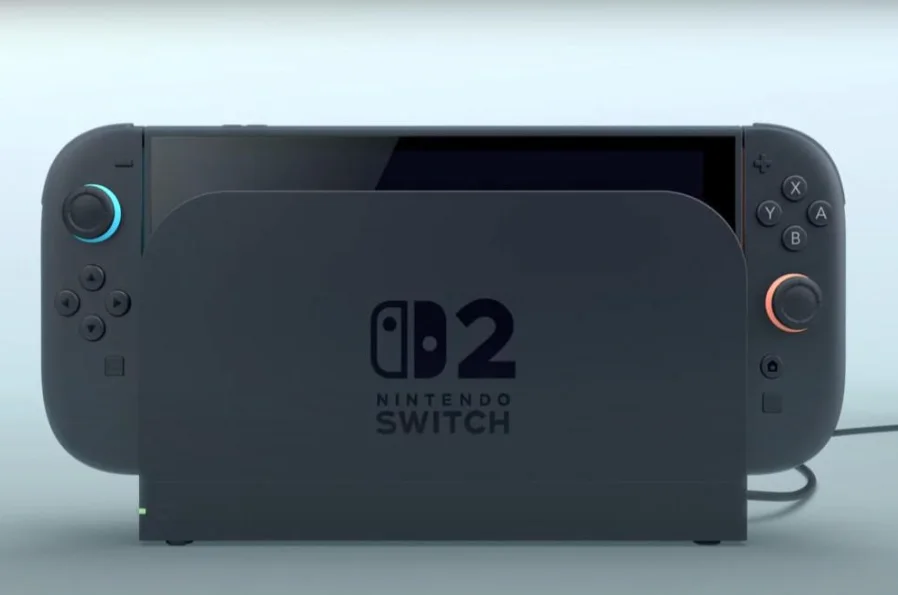
Nintendo sold approximately 3.82 million Switch 2 consoles during the quarter. While that was below the launch-driven sales achieved in the comparable period, software demand helped compensate for the slower movement of hardware.
The company’s quarterly net profit increased by 53.5% to approximately ¥147.4 billion. However, revenue declined by about 9.5% to ¥517.8 billion, demonstrating that the improvement in profit was partly produced by lower costs and exceptional financial benefits rather than sales growth alone.
Nintendo retained its forecast of ¥370 billion in operating profit for the full financial year. It also maintained a target of selling 16.5 million Switch 2 systems, alongside 60 million Switch 2 games and 105 million titles for the original Switch.
Investors will now focus on whether the company can sustain demand after the excitement surrounding the Switch 2 launch begins to settle. Higher memory-component prices and the need for a continuous flow of major games could place pressure on future earnings.
Nintendo is also expanding beyond traditional console sales. Films, licensed merchandise, mobile experiences and theme-park attractions are becoming increasingly important parts of its business, allowing popular characters to generate income across several entertainment markets.
The results illustrate how government trade decisions can dramatically affect corporate earnings. Nintendo’s tariff refund strengthened one quarter’s profit, but future performance will depend more heavily on game releases, console demand and the company’s ability to control rising production costs.