The war in Ukraine reached far into Russia’s industrial interior on Friday when drones struck a vast distribution centre operated by the country’s largest online retailer.
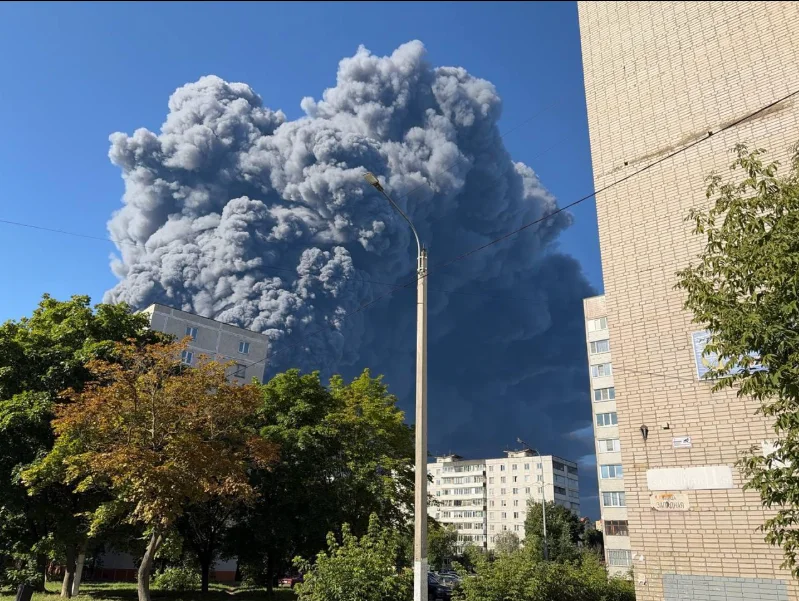
The attack targeted a Wildberries logistics complex in Yekaterinburg, a major city in the Ural region located far beyond the areas normally associated with cross-border fighting. Smoke and flames rose from the warehouse as emergency crews moved into the industrial site.
Regional officials said air defences intercepted eight drones approaching the area. Debris from three of the aircraft reportedly fell onto the roof of the logistics centre, triggering a fire and forcing an immediate evacuation.
Approximately 800 employees were removed from the complex. No deaths or injuries were initially reported, providing a rare piece of good news from an incident that could have become a large-scale workplace disaster.
Firefighters brought the blaze under control, while the company said most of the merchandise stored inside escaped serious damage. Authorities began examining the debris and affected sections of the building to determine the full extent of the destruction.
The location of the strike has attracted particular attention. Yekaterinburg lies deep within Russia, showing that long-range drones can threaten infrastructure well beyond the front line and areas bordering Ukraine.
Wildberries is not simply an online shopping platform. Its warehouses, delivery network and collection points form an important part of everyday commercial life across Russia. Interruptions at a major distribution centre could affect employees, independent sellers, customers and smaller businesses relying on the company’s logistics system.
The retailer’s facilities have faced repeated drone attacks since July. Ukraine argues that the company’s commercial network has connections to goods that may support Russia’s military operations, an allegation rejected by both Wildberries and the Kremlin.
Friday’s incident reflects a broader Ukrainian strategy of using domestically produced long-range drones to place economic and logistical pressure on Russia. The aircraft are comparatively inexpensive, difficult to detect and capable of travelling hundreds of kilometres before reaching their targets.
However, attacks near civilian workplaces create serious risks. Even when employees are successfully evacuated, falling wreckage, fires and damaged industrial equipment can endanger communities that may be located far from any recognised military installation.
The latest strike will likely intensify debate inside Russia about the ability of existing air-defence systems to protect large cities, factories and logistics centres. It also signals that distance from Ukraine no longer guarantees immunity from the expanding drone war.