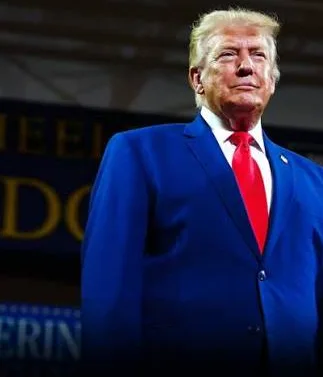
U.S. President Donald Trump said an agreement to reopen the Strait of Hormuz could be announced within days, declaring that significant progress had been made. He also described recent discussions involving Iran as productive, raising hopes that diplomacy could begin reducing the five-month conflict’s impact.
Two regional officials briefed on the negotiations told the Associated Press that Iran and Oman had completed a draft arrangement. However, the proposal has not become a final agreement and is awaiting authorization from Iran’s supreme leader. U.S. Secretary of State Marco Rubio similarly confirmed progress while emphasizing that negotiations remained unfinished.
The proposed temporary arrangement would reportedly establish separate routes for vessels entering and leaving the Persian Gulf. Ships would enter through an Iranian-controlled route and depart through a route administered by Oman. The proposal may also include service fees intended to cover security and environmental protection, although Washington has publicly opposed allowing Iran to charge vessels for using the international waterway.
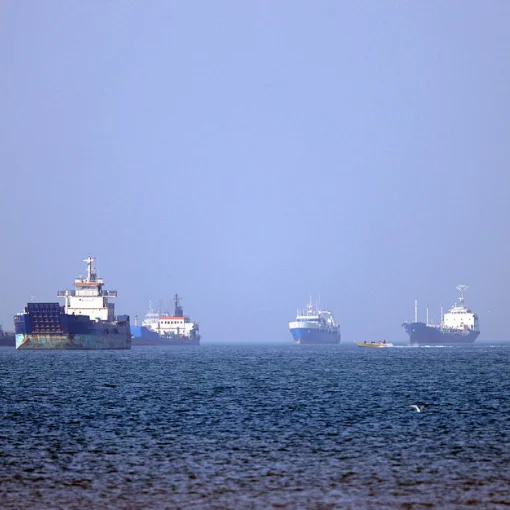
The Strait of Hormuz is one of the world’s most strategically important shipping passages. Before the conflict disrupted maritime traffic, approximately one-fifth of global oil and natural-gas supplies passed through it. Restrictions and attacks around the strait have contributed to higher fuel and transportation costs, affecting businesses and consumers far beyond the Middle East.
A previous agreement reached in June failed after attacks resumed. Consequently, governments and investors are treating the latest diplomatic progress cautiously. Iran and Oman have not formally announced a completed deal, while Iranian officials say negotiations are focused on creating safe shipping routes that protect both countries’ security and sovereign interests.
Tensions also remain high elsewhere in the region. Shipping attacks continued while negotiations were underway, including an unverified Houthi claim that missiles had been launched toward a Saudi tanker in the Red Sea. A separate cargo vessel reported being struck near the Strait of Hormuz, demonstrating how quickly continued violence could undermine diplomatic progress.
If approved and successfully implemented, the agreement could reopen a vital global trade route and prepare the ground for broader negotiations concerning Iran’s nuclear programme and an end to the conflict. A failure to finalize it, however, could bring renewed military escalation and further disruption to international energy supplies.