What happened
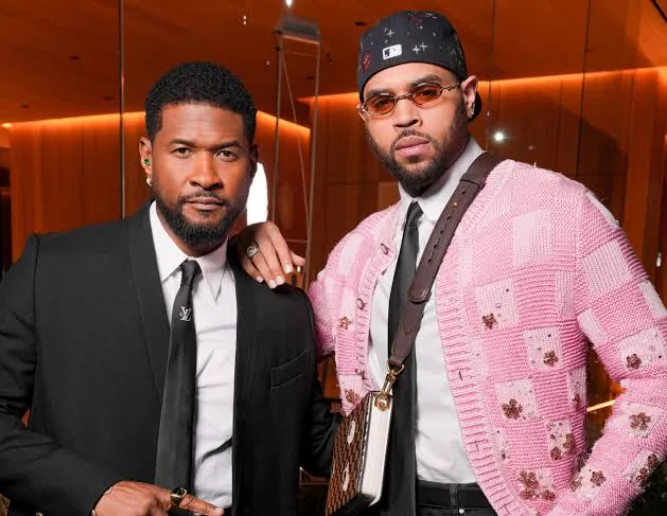
American R&B superstars Chris Brown and Usher announced on Monday, 17 August 2026, that they are adding eight new stadium dates to their joint R&B Tour following what organizers described as extraordinary fan demand.
The expansion takes the massive co-headlining tour to 59 dates in total, strengthening what was already one of the year's most ambitious R&B concert runs.
Perhaps the clearest demonstration of demand is coming from Los Angeles.
The newly announced schedule includes a fourth performance at SoFi Stadium on 16 November 2026.
Playing one stadium concert is a major achievement.
Adding enough demand to support four shows at the same enormous venue places the tour in a very different commercial category.
The announcement follows the successful first stretch of the North American tour and gives more fans an opportunity to see two artists whose careers have helped define different generations of mainstream American R&B.
For Brown and Usher, the expansion also demonstrates something increasingly important in modern entertainment:
catalogues built over decades can become enormously powerful assets in the live-music economy.
Why this matters
The American concert industry has become intensely competitive.
Consumers have access to major stadium tours, festivals, sporting events and endless streaming entertainment, while ticket prices, transportation and accommodation can make attending a concert a significant financial decision.
Artists therefore cannot assume that past fame will automatically fill stadiums.
Brown and Usher appear to be demonstrating something different.
Their combined catalogues allow the tour to reach audiences across multiple eras of R&B.
Usher's mainstream career stretches back decades, producing a catalogue that accompanied an entire generation of listeners.
Brown emerged later and developed his own enormous collection of R&B and pop hits.
Put the two together, and the concert becomes more than a performance built around the latest album.
It becomes a journey across years of American R&B culture.
That helps explain why additional stadium shows can still be added after the tour was already extensive.
Who is affected
Chris Brown and Usher receive the most obvious commercial benefit.
Additional dates mean additional ticket inventory, merchandise opportunities and further exposure for both artists.
The expansion also reinforces their positions as major live performers capable of operating at stadium scale.
Fans benefit from more opportunities to attend shows, particularly in markets where existing dates generated enough demand to justify additional performances.
SoFi Stadium and surrounding Los Angeles businesses could see further economic activity as another concert date brings thousands of people into the area.
Major concerts generate spending well beyond tickets.
Fans use hotels.
They eat at restaurants.
They purchase transportation.
They buy merchandise.
Some travel considerable distances specifically for the event.
Tour employees are affected as well.
Large stadium productions require extensive teams involving staging, lighting, sound, security, transportation, dancers, technicians and numerous other workers.
And the wider R&B industry receives another important signal.
The genre's older catalogues are not simply historical music sitting inside streaming libraries.
They can still anchor enormous contemporary entertainment businesses.
BoonVerse Analysis
The most impressive number in today's announcement may not be 59.
It may be four.
Four shows at SoFi Stadium reveal something important about the economics of nostalgia, celebrity and live music.
Streaming changed how music is consumed.
Almost every major song from Usher's or Chris Brown's career can be accessed within seconds.
But streaming cannot reproduce one thing:
being inside a stadium when thousands of people recognize the opening seconds of the same song.
That experience has become increasingly valuable.
The more digital entertainment becomes, the more distinctive physical entertainment can feel.
There is also a clever generational advantage behind this tour.
Usher and Brown have overlapping audiences, but their careers peaked at different moments.
That creates a broad demographic reach.
Someone who discovered Usher during his earlier breakthrough years may attend.
Someone who grew up with Brown's later hits may attend.
Younger audiences who discovered both artists through streaming and social media can attend too.
The result is potentially three generations of listeners buying tickets to the same event.
There is another lesson here for the entertainment business.
A hit song can generate money for decades.
When originally released, it produces sales, downloads, radio exposure or streams.
Years later, it continues generating streams.
Then an artist takes that catalogue on tour, and the same song becomes part of the reason tens of thousands of people purchase stadium tickets.
That means the true commercial lifespan of successful music can extend far beyond its original chart run.
Brown and Usher's expanding tour is a strong example.
They are not merely selling new music.
They are monetizing decades of memories attached to old and new music simultaneously.
What happens next
The immediate focus moves toward ticket demand for the eight newly announced concerts.
If those dates also sell strongly, the tour's commercial performance could strengthen the case for additional large-scale R&B collaborations in the future.
Los Angeles will be particularly interesting.
The newly announced 16 November show will become the fourth R&B Tour performance at SoFi Stadium, creating a remarkable concentration of stadium dates in one of America's largest entertainment markets.
The tour itself will continue across North America as Brown and Usher move through the expanded 59-date schedule.
Attention will eventually turn toward the final numbers:
How many tickets were sold?
How much revenue did the tour generate?
How successful were the stadium dates?
And could the partnership continue beyond 2026?
For now, the market is delivering a straightforward message.
Fans were offered a major joint tour featuring two of American R&B's most recognizable performers.
Demand exceeded the original supply.
The response from Brown and Usher was equally straightforward:
add eight more stadium shows and keep the music going.
Sources
SoFi Stadium — 17 August 2026: The venue's official announcement confirms that Chris Brown and Usher added eight new stadium dates following fan demand, taking the R&B Tour to 59 total dates and adding a fourth Los Angeles performance at SoFi Stadium on 16 November.