What happened
The Music In Africa Conference for Collaborations, Exchange and Showcases (ACCES) revealed the first batch of artists confirmed for ACCES 2026 today, Monday, 17 August 2026. The announcement was published at 13:13, making this a genuinely fresh development from today rather than an older event being resurfaced.
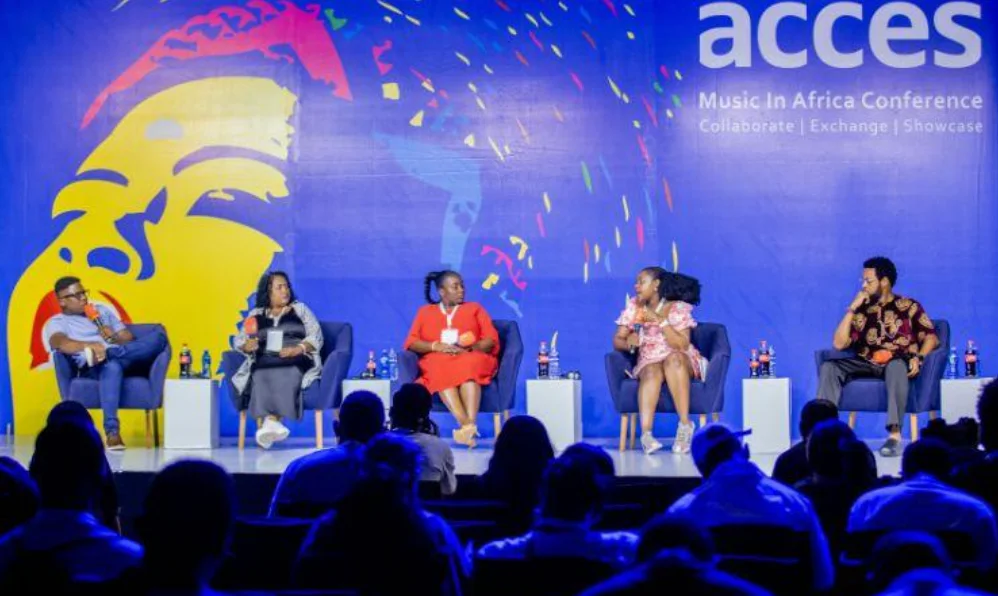
The ninth edition of ACCES will run from 28 to 31 October 2026 in Johannesburg, South Africa, bringing together musicians, executives and other industry professionals from across Africa and beyond.
The conference itself will take place at The Forum, The Campus in Bryanston on 29 and 30 October, while an expanded showcase festival and ACCES Industry Nights will run at venues around Johannesburg between 28 and 31 October.
Today's first artist announcement already demonstrates the event's cross-border ambitions.
Among the confirmed performers are Sun-El Musician from South Africa, Sylent Nqo and The Noisemakers from Zimbabwe, Chakires et le groupe Oulanga representing Réunion and Comoros, South African multidisciplinary artist Pilani Bubu, and Ghanaian rapper, producer and singer FimFim.
South African group Abavuki is also among the performers announced in the first wave.
The musical range is equally broad.
Audiences can expect sounds stretching across Afro-house, Afro-jazz, rock, indigenous Zimbabwean music, jazz, reggae, m’godro, soul, funk, poetry, hip-hop and Afrobeats influences.
Why this matters
African music is enjoying extraordinary international visibility.
Afrobeats has become a global commercial force.
Amapiano has travelled from South African communities into clubs and festivals around the world.
African artists increasingly collaborate with international musicians and attract audiences far beyond the continent.
But global success requires more than great songs.
Artists need managers.
Promoters.
Booking agents.
Publishers.
Labels.
Festival programmers.
Distributors.
Investors.
Media.
And international industry relationships.
That is where an event such as ACCES becomes important.
It isn't simply another music festival where audiences arrive, watch artists and go home.
It brings the performance side and the business side of music into the same environment.
An emerging musician can perform in front of people who may be capable of booking that artist for another festival, distributing their music, managing their career or connecting them with opportunities elsewhere.
ACCES therefore sits at an important intersection:
African talent meets African and international music business.
Who is affected
African musicians potentially have the most to gain.
For established performers, ACCES provides additional industry visibility. For emerging acts, appearing before music professionals can create opportunities extending far beyond one Johannesburg performance.
Sun-El Musician enters the event as one of the most recognizable performers in the first announcement. The South African producer and songwriter built his reputation around melodic Afro-house and songs including Akanamali, Sonini and Bamthathile.
Zimbabwe's Sylent Nqo and The Noisemakers gain another international platform for their mixture of Afro-jazz, rock and indigenous Zimbabwean influences.
FimFim brings Ghana into the first lineup, representing a contemporary sound combining hip-hop, Afrobeats and local musical influences.
The inclusion of Chakires et le groupe Oulanga also broadens the geographical picture by bringing musical traditions connected to Comoros and Mayotte into the programme.
And Johannesburg itself benefits from hosting artists and industry professionals arriving from across the continent.
BoonVerse Analysis
The most important thing about today's ACCES announcement may not be any single artist.
It is the map created by the lineup.
South Africa.
Zimbabwe.
Ghana.
Réunion.
Comoros.
Different languages.
Different genres.
Different music industries.
One gathering.
Africa's music boom is often discussed through individual success stories.
A Nigerian artist reaches the American charts.
A South African amapiano star performs in Europe.
A Ghanaian musician lands an international collaboration.
Those achievements matter enormously.
But a sustainable African music industry cannot depend exclusively on a handful of stars becoming globally famous.
The continent also needs connections between its own music markets.
A Ghanaian artist should be able to build audiences in South Africa.
A Zimbabwean band should discover promoters elsewhere on the continent.
A South African producer should be able to collaborate commercially with musicians in East or West Africa.
African festival organizers should know which emerging artists are gaining momentum beyond their own borders.
That requires networks.
ACCES is essentially trying to build those networks physically.
And its Industry Nights concept is particularly interesting.
A normal concert asks:
Can this artist entertain an audience?
An industry showcase asks another question:
Could someone in this room help take this artist somewhere bigger?
One strong performance could therefore have consequences months later.
A festival booking.
A collaboration.
A management relationship.
A licensing opportunity.
An international tour.
That is how entertainment events can become economic infrastructure.
Africa already possesses enormous musical creativity.
The next stage of growth requires stronger systems capable of turning that creativity into sustainable careers and businesses.
The continent doesn't only need more global African stars. It needs a stronger industry capable of producing them repeatedly.
That may ultimately be ACCES 2026's bigger significance.
What happens next
Attention will now turn toward additional ACCES 2026 announcements as the October gathering approaches.
Today's reveal represents the first batch of confirmed performers, meaning the live programme can still expand significantly before the conference begins.
The event gets underway on 28 October, when the expanded showcase programme begins across Johannesburg.
The main conference sessions at The Forum in Bryanston follow on 29 and 30 October, before the wider programme concludes on 31 October.
The performances will be particularly important for the newly announced artists.
They will not simply be playing for ordinary concert audiences.
They will be performing inside an environment designed around people professionally involved in moving music across markets.
That creates opportunities — but also competition.
Every artist wants to be remembered.
Every manager wants attention.
Every emerging act wants the performance that makes someone important ask:
“Who was that?”
By late October, Johannesburg will temporarily become one of the most important meeting points in Africa's music business.
Today's lineup announcement provides the first glimpse of who will be standing on its stages.
And if ACCES succeeds, the most important stories may not be what happens during those four days.
They may be the African careers, collaborations and international opportunities that begin because the right people happened to meet in Johannesburg.
Sources
The central source is Music In Africa, which published the first ACCES 2026 performer announcement at 13:13 on 17 August 2026. It confirms the event dates, Johannesburg venues, Industry Nights and first group of participating artists.
Music In Africa — First batch of artists announced for ACCES 2026
The ACCES platform provides additional official background on the conference's role in connecting African artists, music businesses and industry professionals.