What happened
Nigeria's Federal Ministry of Art, Culture, Tourism and the Creative Economy announced a major new initiative on Monday, 17 August 2026, called “Ember to Remember 2026.”
The programme will create a coordinated 100-day national tourism and cultural season running from September through December 2026.
Rather than treating concerts, festivals, cultural celebrations, tourism activities and other end-of-year events as separate attractions, the government wants to bring them together under a broader national campaign.
The initiative connects several industries:
culture, entertainment, tourism, hospitality, transportation, commerce and Nigeria's wider creative economy.
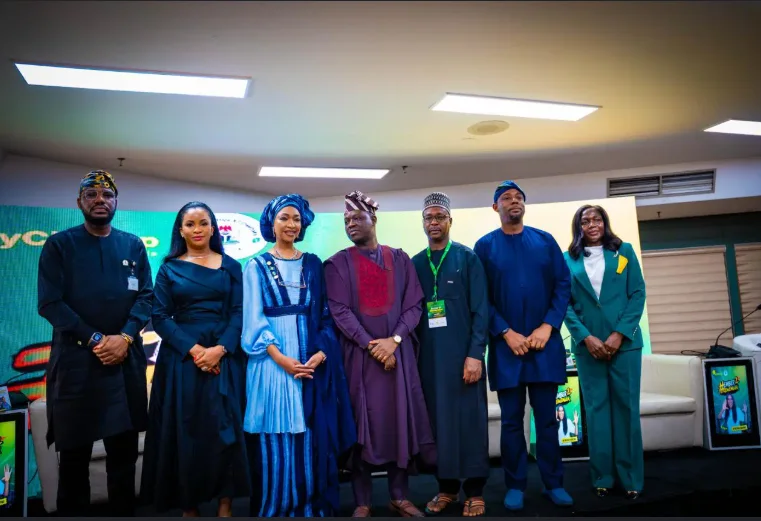
Minister of Art, Culture, Tourism and the Creative Economy Hannatu Musa Musawa announced the initiative in Abuja.
The government is working with MyCityApp on the programme, combining public-sector coordination with private-sector participation.
The next major step will come on 14 September 2026, when the government plans to formally launch the programme and unveil its national calendar during the Ember to Remember National Stakeholders Conference at Eko Hotel in Lagos.
That calendar could become particularly important because it will provide a clearer picture of the concerts, cultural experiences, festivals and tourism activities forming part of the 100-day season.
Why this matters
Nigeria already possesses one of Africa's most internationally influential entertainment industries.
Afrobeats artists routinely reach global audiences.
Nollywood has become one of the world's most prolific film industries.
Nigerian fashion, comedy, dance and digital culture increasingly travel across borders.
And every December, cities such as Lagos experience an explosion of concerts, parties, festivals and returning diaspora visitors.
The phenomenon is widely associated with “Detty December.”
But today's announcement suggests Nigeria wants to transform that largely organic entertainment boom into something more deliberately coordinated.
Instead of simply allowing December's entertainment economy to happen, the government is attempting to build a 100-day national season around it.
That could have substantial economic consequences.
A concert ticket generates money for an artist and promoter.
But the person attending that concert may also need a flight.
A hotel.
A taxi.
Food.
Clothing.
Mobile data.
Entertainment before and after the show.
Shopping.
Every successful event therefore creates economic activity extending far beyond the stage.
By connecting entertainment with tourism and hospitality, Nigeria is effectively attempting to capture more of that wider value.
Who is affected
Nigerian musicians, actors and other creatives could become some of the biggest beneficiaries.
A coordinated national entertainment season can create additional performance opportunities and potentially bring greater international attention to Nigerian creative talent.
Event promoters and festival organizers could benefit from increased visibility and larger audiences during the September-to-December period.
Hotels, restaurants and hospitality businesses have a direct commercial interest.
Visitors attending concerts and cultural events need somewhere to stay, eat and socialize.
Airlines and transportation businesses could also benefit if the campaign succeeds in attracting Nigerians living abroad and international tourists.
Nigeria's enormous diaspora population is particularly important.
Many Nigerians living in Europe, North America and elsewhere already return home during the festive period.
A better-organized calendar could encourage visitors to plan trips earlier and stay longer.
And then there are international tourists.
Nigeria's long-term opportunity is not merely convincing Nigerians to celebrate Nigerian entertainment.
It is convincing people who have discovered Afrobeats, Nollywood and Nigerian culture internationally that they should experience those things inside Nigeria itself.
BoonVerse Analysis
Nigeria may be sitting on an entertainment asset considerably larger than it sometimes realizes:
December.
That sounds strange.
But successful cities around the world have learned how to transform particular periods into internationally recognizable experiences.
People travel because something is happening at a specific place at a specific time.
Carnival draws visitors to Brazil.
Oktoberfest brings tourists to Germany.
Major festivals transform cities into temporary global entertainment destinations.
Nigeria already possesses the beginnings of something similar.
Every year, its festive season brings together several extremely powerful forces:
Afrobeats.
Nollywood celebrities.
Diaspora visitors.
Nightlife.
Fashion.
Food.
Festivals.
Concerts.
African pop culture.
The challenge has been turning all of that activity into a coordinated product that international visitors can easily understand and plan around.
“Ember to Remember” could help solve that problem.
Imagine someone living in London, Johannesburg, New York or Toronto who wants to experience Nigeria during the festive season.
Instead of searching dozens of social-media pages to discover concerts and events, a coordinated national calendar could show what is happening, where it is happening and when.
That sounds like a relatively simple improvement.
Economically, however, it could be powerful.
Better information reduces uncertainty.
Lower uncertainty makes travel planning easier.
More visitors create more spending.
And more spending encourages promoters to create bigger events.
That can produce a cycle:
Better events → more visitors → more spending → greater investment → even better events.
There is another strategic opportunity.
Nigeria has already exported its culture successfully.
Millions of people around the world listen to Nigerian artists without ever visiting Nigeria.
That means the country has already completed one of the hardest parts of tourism marketing:
making foreigners interested in its culture.
The next challenge is converting cultural interest into physical travel.
Someone listening to Afrobeats in London represents streaming revenue.
That same person flying to Lagos for a week of concerts, restaurants, hotels and cultural experiences represents something considerably larger.
This is where entertainment becomes economic infrastructure.
If executed effectively, “Ember to Remember” could help Nigeria stop thinking about music, film, tourism and hospitality as separate industries.
They can reinforce one another.
Afrobeats can sell Nigeria. Nigeria can sell tourism. Tourism can finance entertainment. Entertainment can make Nigeria more culturally influential.
That is the bigger opportunity behind today's announcement.
What happens next
The key date is 14 September 2026.
Nigeria plans to formally launch Ember to Remember and reveal its national calendar at the National Stakeholders Conference at Eko Hotel in Lagos.
That announcement should provide a clearer understanding of the events and experiences included in the 100-day campaign.
The programme itself will then run across September, October, November and December.
The most important measurement will not simply be how many events take place.
Nigeria will need to examine whether the initiative produces measurable increases in:
tourist arrivals, hotel bookings, event attendance, creative-industry revenue, transportation activity and international visibility.
Execution will matter enormously.
A strong brand without reliable transportation, security, ticketing, accommodation information and event coordination will struggle to reach its potential.
But if those pieces work together, Nigeria could begin turning its famous festive-season energy into something much bigger than a collection of December parties.
It could become an internationally marketed African entertainment season.
The country's music and movies have already travelled around the world.
With Ember to Remember, Nigeria is making a different proposition:
this time, come to Nigeria and experience the culture where it is being created.
Sources
Nigeria's Federal Ministry of Art, Culture, Tourism and the Creative Economy is the government body behind the initiative. Today's announcement confirms the programme will integrate entertainment, culture, tourism, hospitality, transportation, commerce and the creative economy over a 100-day season.
Current coverage published 17 August 2026 confirms Minister Hannatu Musa Musawa announced the initiative in Abuja and that the formal launch and national calendar unveiling are scheduled for 14 September at Eko Hotel, Lagos.