The global race to build more powerful artificial-intelligence systems has delivered an unexpected boost to one of Europe’s oldest science and technology companies.
Merck KGaA announced stronger-than-anticipated quarterly results and increased its profit expectations for 2026. The company now forecasts adjusted earnings before interest, taxes, depreciation and amortisation of between €5.9 billion and €6.3 billion, compared with its previous range of €5.7 billion to €6.1 billion.
Quarterly adjusted earnings climbed by 9.4% to approximately €1.60 billion, exceeding market expectations of about €1.53 billion. The improved performance came from Merck’s electronics and life-science divisions, which supply highly specialised products to technology manufacturers, laboratories and pharmaceutical companies.
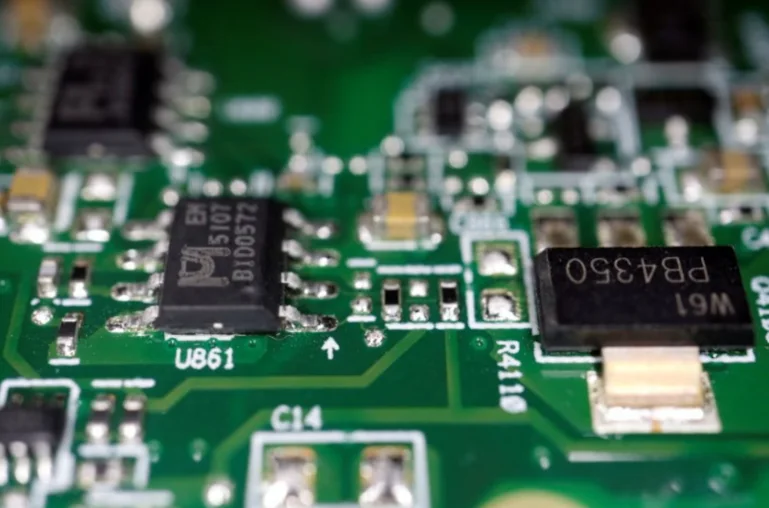
Although Merck is widely associated with healthcare and laboratory products, it also produces essential materials used during semiconductor manufacturing. These substances help chipmakers create the increasingly complex processors required for AI systems, cloud-computing infrastructure and advanced data centres.
The explosion in AI investment has therefore created a chain reaction across the global economy. Every new data centre requires powerful processors, while every advanced processor depends on specialised chemicals, manufacturing materials and precision technologies supplied by companies such as Merck.
Demand has remained strong even as parts of the semiconductor industry continue to face limitations in production capacity. Merck expects investment in AI infrastructure to support its electronics business as technology companies compete to develop faster and more capable systems.
The group’s life-science operations also recorded encouraging momentum. This division provides tools, equipment and production materials used by researchers and drug manufacturers, allowing Merck to benefit from continued investment in biotechnology and advanced medical treatments.
Currency pressures have eased as well, giving the company additional confidence to raise its outlook. Investors responded positively to the announcement, while Merck’s shares have gained significantly since the beginning of the year.
The results demonstrate that the financial impact of artificial intelligence extends well beyond software developers. Chemical manufacturers, electricity providers, construction companies and specialised equipment suppliers are all becoming important participants in the AI economy.
For investors, Merck’s improved forecast offers another indication that spending on AI infrastructure remains resilient. However, the company must still navigate currency movements, uncertain global trade conditions and the risk that technology investment could eventually slow.