The Russia-Ukraine war entered another dangerous chapter on Monday morning when long-range drones reached Nizhnekamsk, an important oil-refining city located deep inside Russia’s Republic of Tatarstan.
At least 13 people were killed in the attack, including a child and several foreign workers. Regional authorities later reported that approximately 75 people had been injured, although earlier accounts carried a lower figure. Emergency teams transported the wounded to hospitals while firefighters responded to affected industrial and residential locations. Verified casualty and attack details
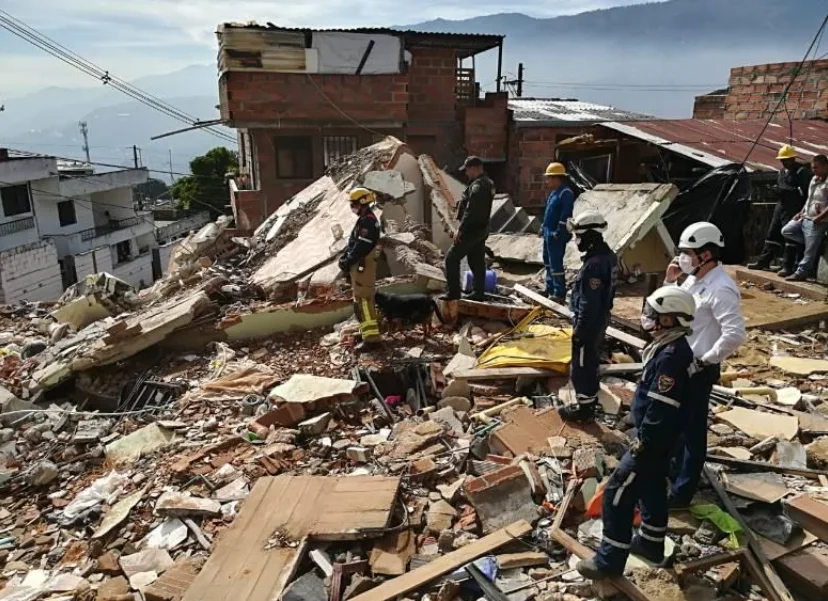
Officials said nine of those killed were inside a hostel when the drones struck. Seven Uzbek citizens and one person from Tajikistan were among the dead, transforming the attack into a tragedy affecting families far beyond Russia and Ukraine.
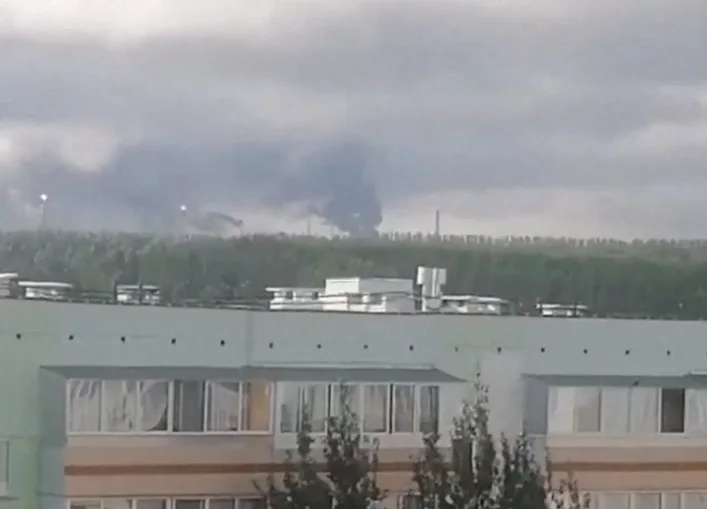
Ukraine’s military confirmed that its forces had attacked the TANECO refinery, where a fire was reported following the impact. Operated by Tatneft, the facility is one of the most important parts of Russia’s petroleum industry, producing large quantities of petrol and diesel.
Russian authorities said the attack also damaged civilian areas and opened a criminal investigation. Ukraine stated that its intended target was energy infrastructure supporting Russia’s war effort. The full sequence of impacts and the responsibility for damage outside the refinery could not immediately be independently established. Additional verified reporting
Nizhnekamsk lies roughly 1,200 kilometres from the Ukrainian border and has a population of around 240,000. Reaching the city demonstrates the rapidly expanding range of Ukraine’s domestically developed drones, some of which are now capable of travelling thousands of kilometres.
The human cost, however, has intensified concern over a conflict increasingly reaching areas once considered far from the front. Workers’ accommodation, homes and industrial installations now sit within the same expanding battlefield, leaving civilians exposed even hundreds of kilometres from recognised combat zones.
The strike occurred as Russia and Ukraine continued exchanging large aerial attacks. Both governments deny deliberately targeting civilians, but residential areas, hospitals, energy networks and workplaces on both sides continue to suffer damage.
As Nizhnekamsk begins mourning its victims, the attack is likely to increase pressure on Russian authorities to strengthen air defences around distant industrial centres. It may also trigger further retaliation, raising fears that the expanding drone war will expose even more communities to sudden and deadly attacks.