A single court decision has removed the last officially registered anti-war voice from Russia’s approaching parliamentary election.
The Supreme Court cancelled Yabloko’s registration after accepting a case brought by Rodina, a smaller nationalist party supportive of the Kremlin. Rodina accused Yabloko of receiving undeclared campaign assistance, including alleged support connected to foreign sources, and of violating electoral regulations.
Yabloko rejected the accusations, arguing that its opponents had produced no convincing evidence. Party chairman Nikolai Rybakov described the case as an attempt to eliminate an uncomfortable political rival and confirmed that the ruling would be challenged.
The decision is particularly striking because Russia’s Central Election Commission had initially allowed Yabloko and ten other parties to enter the election. The court’s ruling overturned that approval just weeks before voters are expected to select members of the State Duma.
Yabloko’s short election platform centred on negotiating a ceasefire, pursuing diplomacy, preventing nuclear escalation and creating a country without political fear. These positions placed the party in direct conflict with the Kremlin’s policy, which rejects an unconditional ceasefire and insists that any settlement must meet Russia’s wider demands.
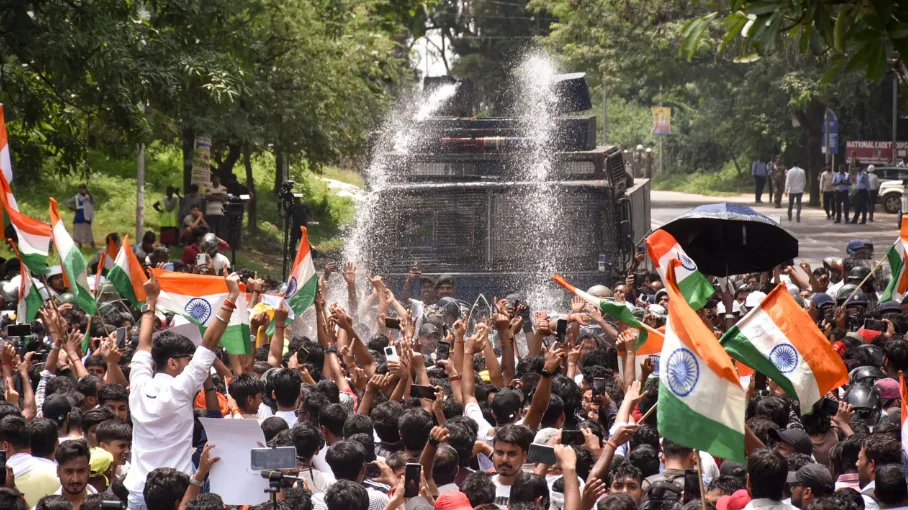
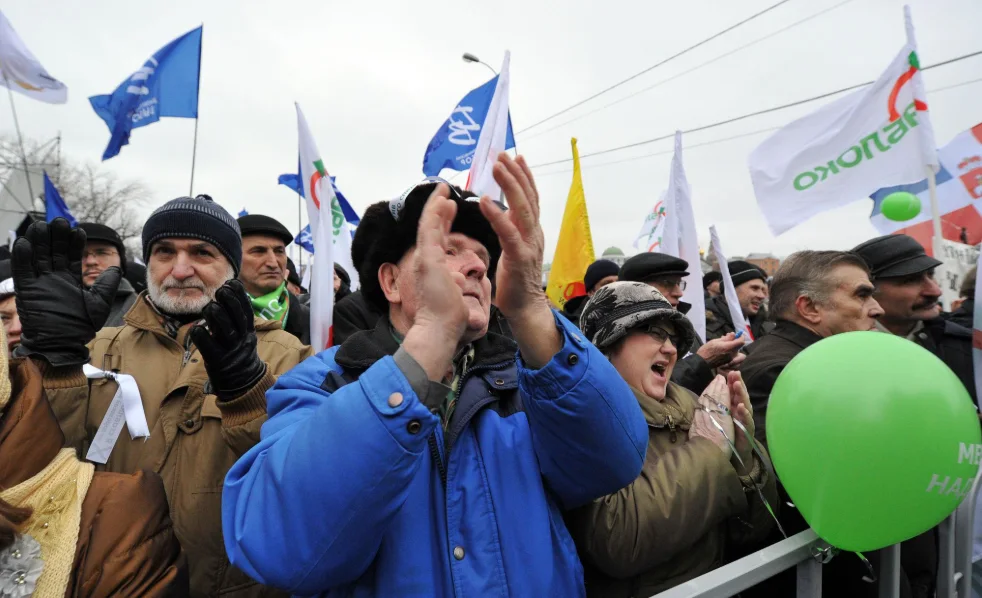
Several hundred supporters gathered outside the Moscow court while the case was being heard. Some carried apples—a reference to the party’s name, which means “apple” in Russian—while police monitored the demonstration. The gathering was a rare public display of anti-war political solidarity under Russia’s strict wartime laws.
Once an influential liberal movement during Russia’s early post-Soviet years, Yabloko currently holds only a small number of regional seats and none in the national parliament. Although its chances of winning significant representation were uncertain, participation would have given it a nationwide platform to challenge the war and political repression.
The ruling does not formally dissolve Yabloko as a political organisation. It specifically removes the party from the September parliamentary ballot. However, the practical result is that voters will no longer have an officially registered anti-war party among their national choices.
The decision comes as the conflict increasingly affects daily life inside Russia through drone strikes, pressure on infrastructure and economic disruption. A July survey cited in the reporting placed support for the military’s actions at 66%, its lowest recorded level since February 2022. That figure still represents a majority, but measuring public opinion under strict controls on dissent remains difficult.
Yabloko’s exclusion leaves Kremlin-aligned parties positioned to dominate the election with fewer opposing voices. It also raises international concerns about whether an election can offer meaningful political choice when a party is removed shortly before voting because its message challenges the government’s central wartime policy. The ruling and courtroom developments were reported on 10 August 2026. A separate account confirms the party’s initial registration and planned appeal.