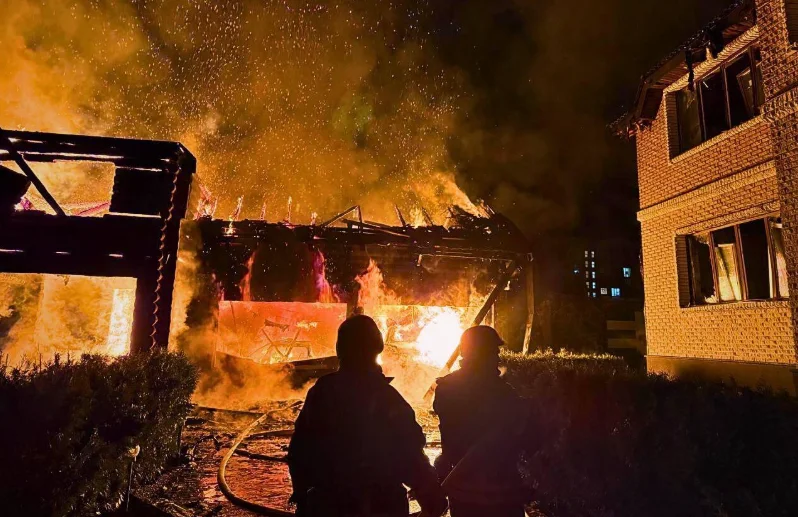
A community near Congo’s border with Uganda awoke to terror on Saturday as armed militants swept into Banana École, a village on the outskirts of Mambasa, killing residents and setting homes on fire.
Local representatives attributed the assault to the Allied Democratic Forces, commonly known as the ADF—an armed group that has pledged allegiance to the Islamic State organisation. Witnesses said the attackers used tactics associated with the group, striking civilians before looting and burning property.
At least 13 people were confirmed dead in the initial count. However, local civil-society leaders warned that the figure remained provisional because several residents could not be reached and searches were continuing in neighbouring areas.
The attack forced surviving families to make a brutal decision: remain in a community vulnerable to another militant raid or attempt a dangerous journey through a region already struggling with disease, displacement and the presence of numerous armed groups.
Some residents began leaving Mambasa for Bunia, fearing the attackers could return. Those fleeing carried only what they could manage, leaving behind homes, possessions and uncertainty over the fate of missing neighbours.
Eastern Congo has suffered decades of violence involving armed organisations competing for territory, influence and access to natural resources. The ADF began as a Ugandan rebel movement but later established itself across the border, where it has repeatedly been accused of massacring civilians.
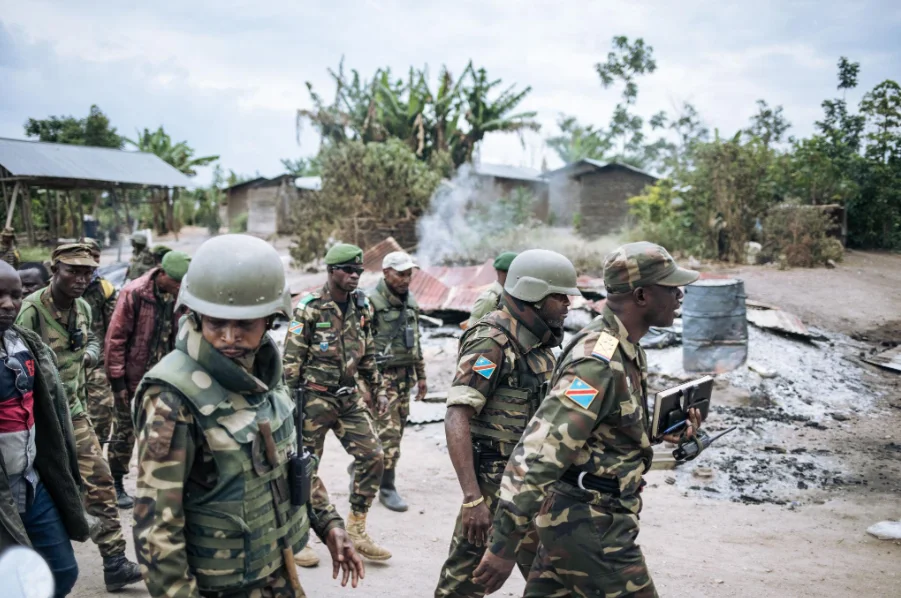
The latest killings reveal how ordinary communities remain trapped between armed violence and a worsening humanitarian emergency. Security forces now face growing pressure to locate the attackers, protect surrounding villages and establish whether more victims remain undiscovered.