A mysterious drone entered Bulgaria in the early hours of Saturday and exploded dangerously close to infrastructure supplying energy across southeastern Europe.
The aircraft reportedly crossed from Romania and detonated shortly after 5 a.m., approximately 100 metres inside Bulgarian territory. Despite travelling through the airspace of two NATO members, it was neither detected nor identified before the explosion.
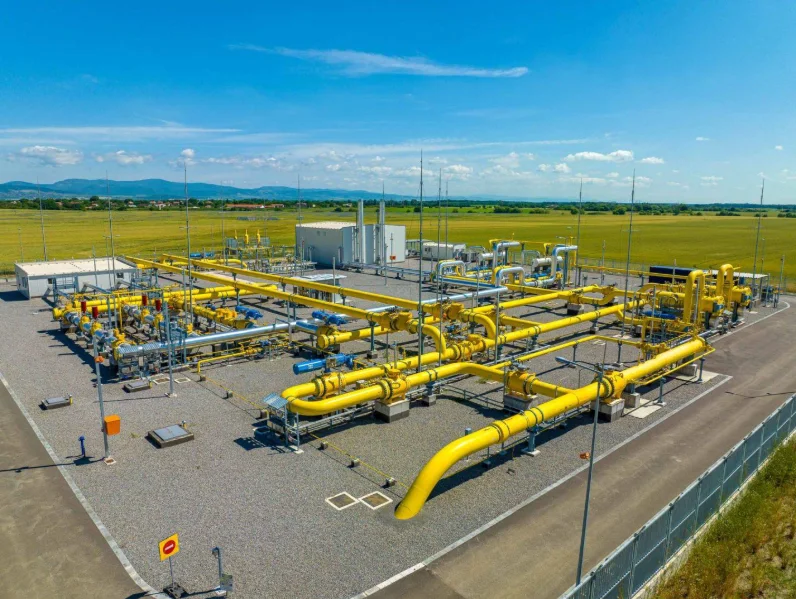
The blast occurred around 200 metres from a Romanian compressor station and approximately one kilometre from Bulgaria’s facility on the Trans-Balkan gas pipeline. The network has long played an important role in transporting natural gas between countries in the region.
Authorities immediately sealed off the area while specialists began examining fragments from the destroyed aircraft. No one was injured, and early inspections found no damage to nearby buildings or the pipeline installations.
However, the force of the explosion and the thick column of black smoke indicated that the drone may have been carrying a substantial quantity of explosives. Its small size and low-altitude flight path could have helped it escape conventional radar surveillance.
The drone’s origin remains unknown. Officials have not established whether it was launched deliberately toward the gas installations, drifted away from another mission or crossed the border because of a technical failure. No evidence has yet been presented connecting it to either Russia or Ukraine.
Bulgaria is now moving anti-drone detection and interception equipment from its Turkish frontier to the border with Romania. The incident is also expected to be raised before NATO’s North Atlantic Council, potentially turning what began as a border explosion into a wider alliance security concern.
The event exposes an alarming weakness in Europe’s protective shield: a relatively small unmanned aircraft was apparently able to travel across two allied countries before exploding beside strategically important energy infrastructure. Investigators must now determine where it came from—and whether the pipeline was its intended target.