The USDA has committed $25 million to establish a new sterile fly dispersal facility in Arizona as part of its strategy to stop the spread of the New World screwworm, a parasitic insect capable of causing severe damage to cattle, sheep, goats, wildlife, and other warm-blooded animals. The announcement comes amid heightened efforts to strengthen agricultural biosecurity and protect farmers from costly livestock diseases.
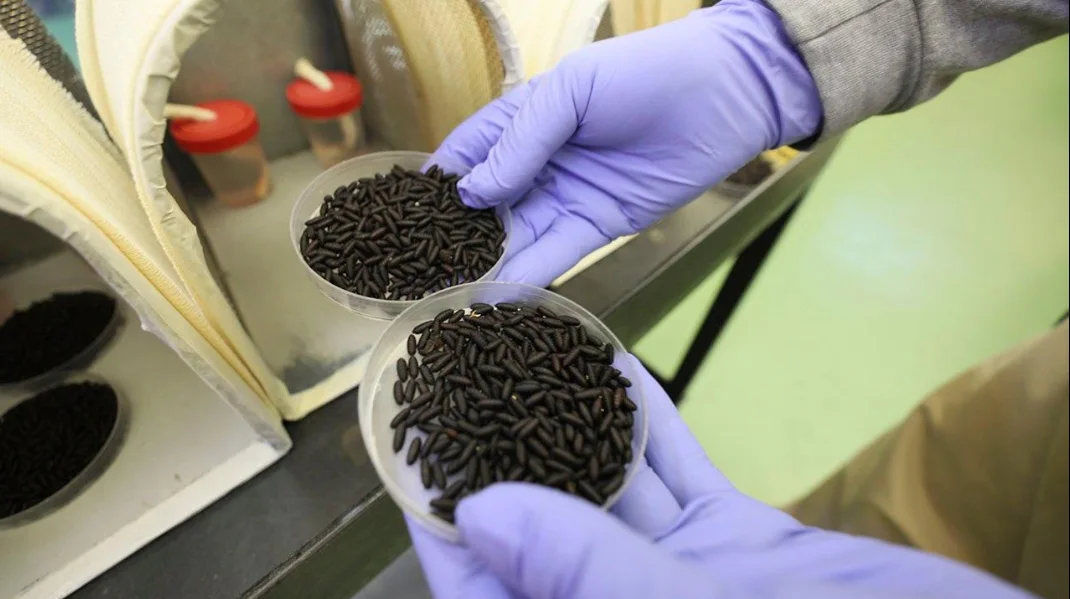
The sterile insect technique involves releasing millions of sterilized male flies into the environment. When these males mate with wild females, no offspring are produced, causing the pest population to decline naturally over time. The approach has been successfully used in previous eradication campaigns and is considered one of the most effective environmentally friendly methods for controlling screwworm outbreaks.
According to Agriculture Secretary Brooke L. Rollins, the new facility will enhance the country's ability to respond rapidly to any future screwworm incursions while helping safeguard ranchers, livestock producers, and the broader agricultural economy. The investment also supports cross-border cooperation to reduce the risk of the pest spreading into major livestock-producing regions.
Agricultural experts say protecting livestock from invasive pests is essential for maintaining food security, animal welfare, and international agricultural trade. The Arizona facility is expected to become a critical component of North America's long-term strategy for preventing devastating livestock infestations and strengthening the resilience of the agricultural sector.