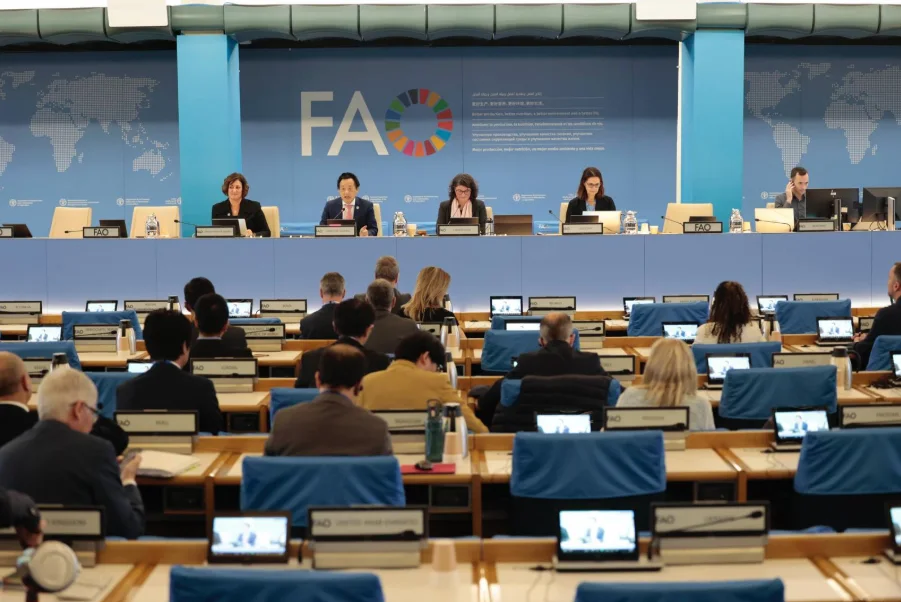
Agriculture ministers, policymakers, scientists, and development partners from around the world met at FAO headquarters in Rome to discuss the future of global agriculture during the 30th Session of the Committee on Agriculture (COAG). The meeting emphasized that innovation and scientific research must play a central role in ensuring sustainable food production as climate change, land degradation, and population growth continue to increase pressure on global food systems.
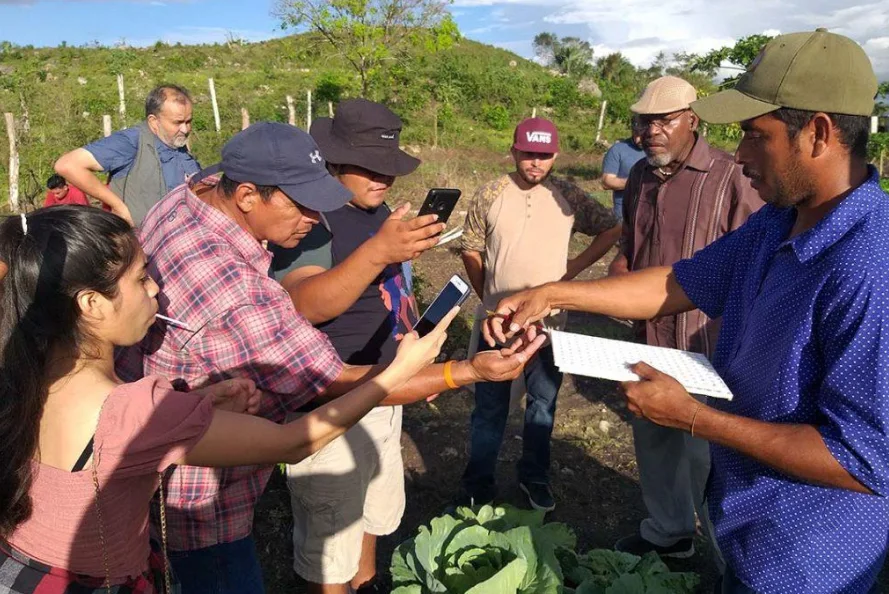
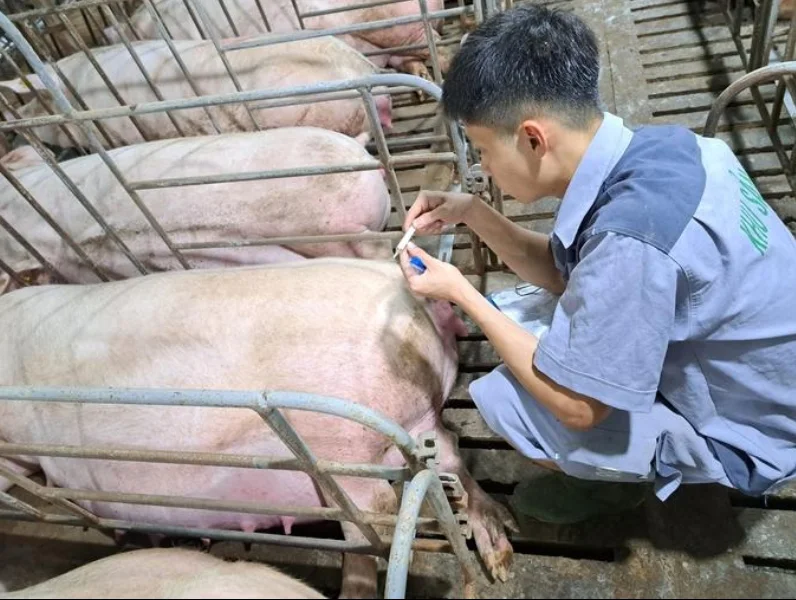
Among the key priorities endorsed were the promotion of climate-resilient farming practices, improved soil health, more efficient water management, responsible use of pesticides, reduction of plastic pollution in agriculture, and stronger action against antimicrobial resistance affecting livestock and food production. Delegates also highlighted the importance of developing the bioeconomy to create more sustainable agricultural industries while reducing environmental impacts.
FAO Director-General Qu Dongyu urged governments to accelerate the adoption of digital technologies, precision agriculture, biotechnology, and farmer-focused innovation to improve productivity while protecting natural resources. He stressed that scientific collaboration and knowledge sharing will be essential to feeding a growing global population without compromising environmental sustainability.
Agricultural experts say the outcomes of the COAG meeting will influence farming policies and investment priorities worldwide over the coming years. The recommendations are expected to guide governments in strengthening food security, supporting rural livelihoods, and building more resilient agrifood systems capable of withstanding future climate and economic shocks.