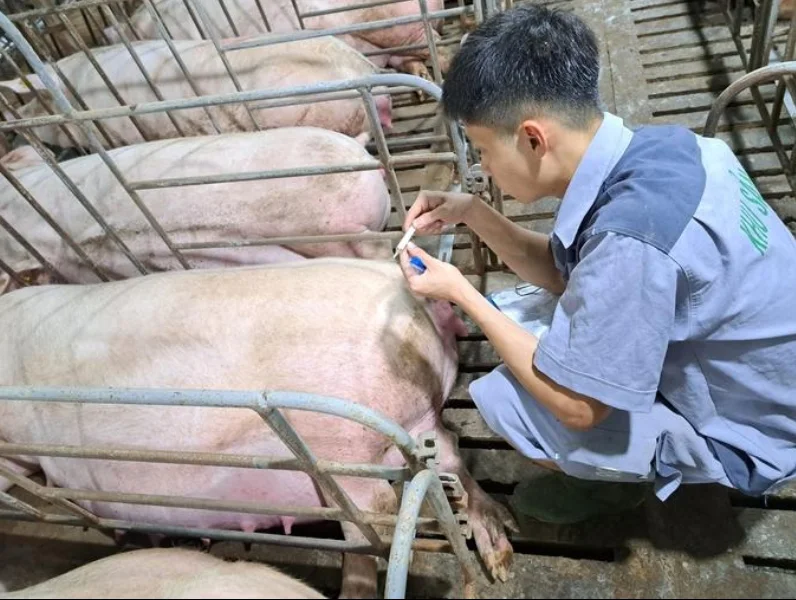
The Food and Agriculture Organization has released its latest update on the African Swine Fever (ASF) situation in the Asia-Pacific region, showing that governments continue to strengthen monitoring and disease-control efforts. ASF is a highly contagious viral disease affecting domestic pigs and wild boar, with mortality rates that can approach 100%, although it does not infect humans.
The disease remains a major concern in several countries across Asia, prompting veterinary authorities to increase farm inspections, improve laboratory testing, tighten movement controls for livestock, and educate farmers on biosecurity practices. These measures are intended to prevent new outbreaks and minimize economic losses in the livestock sector.
Pig farming is a critical source of income and food security for millions of households throughout Asia. Experts warn that uncontrolled outbreaks can result in the loss of millions of animals, higher pork prices, and significant disruptions to agricultural supply chains. Governments are therefore investing in early detection systems and regional cooperation to limit the spread of the virus.
Agricultural specialists say the continued fight against African Swine Fever is one of the most important livestock challenges facing the global agriculture sector. Successful containment efforts will help stabilize pork production, protect rural livelihoods, and strengthen food security in a region that accounts for a large share of the world's pig population.