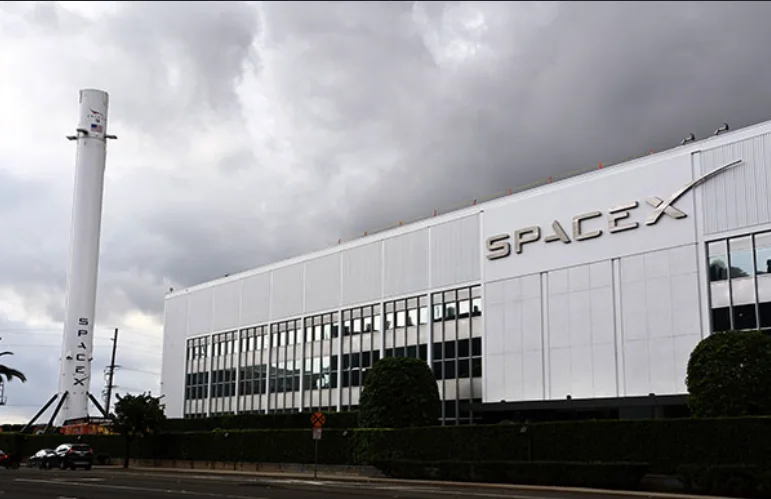
Tesla and SpaceX are preparing to enter one of the world’s most complex industries: advanced semiconductor manufacturing. The two companies plan to build Terafab in Grimes County, Texas, bringing chip fabrication, memory production, packaging and testing together at one vast industrial site.
The initial investment is expected to reach $16.8 billion. Plans describe a complex covering approximately 100 million square feet and providing at least 3,000 jobs. Additional development phases could make the final cost substantially higher, although future spending will depend on how the project progresses.
The factory is being designed around the rapidly expanding computing requirements of Elon Musk’s companies. Tesla needs increasingly powerful processors for its Cybercab autonomous vehicles, Optimus humanoid robots and artificial-intelligence systems. SpaceX expects to require specialised chips for satellites and its longer-term ambition of operating data-processing infrastructure beyond Earth.
Terafab’s proposed scale makes the announcement particularly significant. Instead of relying entirely on outside semiconductor suppliers, Tesla and SpaceX want greater control over the technology powering their most important products. Manufacturing, packaging and testing chips at one location could reduce transportation delays and make it easier to design processors for highly specialised purposes.
The project also reflects growing concern about whether existing chipmakers can satisfy the extraordinary demand generated by artificial intelligence. Data centres, robots, autonomous machines and satellite networks all require sophisticated processors, while new semiconductor plants are expensive and can take years to reach efficient production.
Building a fabrication complex of this size will present formidable challenges. Chip factories require immense quantities of electricity, carefully managed water supplies, highly specialised equipment and an experienced technical workforce. Producing advanced processors reliably is also far more difficult than constructing the buildings that contain the machinery.
Water for industrial operations is expected to come from the nearby Gibbons Creek Reservoir rather than local groundwater. Even so, the project will face scrutiny over its effects on energy infrastructure, water resources, public services and the surrounding rural community.
If completed as envisioned, Terafab could transform Tesla and SpaceX from major chip purchasers into influential semiconductor manufacturers. It could also strengthen Texas’s position in the global technology industry and accelerate efforts to expand advanced chip production within the United States.
The announcement therefore represents more than another factory investment. It is an ambitious attempt to place the physical foundations of artificial intelligence—silicon, memory and computing power—under the direct control of the companies that intend to use them on roads, inside robots and eventually in orbit.