Serbia and Ukraine are preparing to open a new commercial chapter after their presidents committed to completing a long-delayed free-trade agreement by the end of 2026.
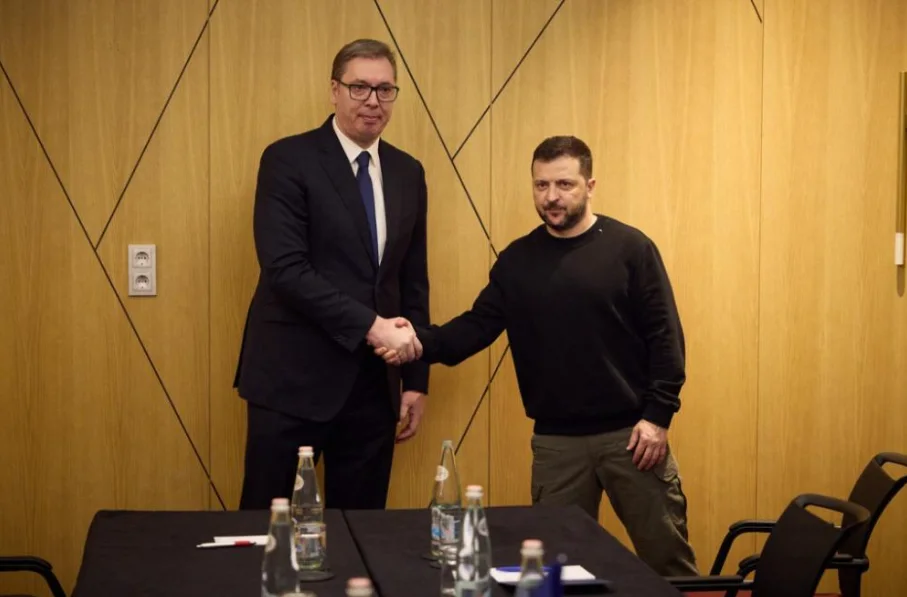
The economic pledge was announced during Ukrainian President Volodymyr Zelenskyy’s visit to Belgrade, his first trip to Serbia since becoming president in 2019. He held talks with Serbian President Aleksandar Vučić on trade, infrastructure, energy supplies and food security.
A successful agreement would resolve a commercial disagreement stretching back to 2005. Ukraine has previously blocked progress because of concerns involving tariffs and quotas placed on agricultural goods.
Removing or reducing those barriers could make it easier for farmers, food processors and other businesses in both countries to sell products across their borders. The final benefits will depend on which goods are covered, how quickly tariffs are reduced and what protections remain for sensitive industries.
The agreement is particularly important for Serbia because settling its outstanding trade arrangements is necessary for the country’s effort to join the World Trade Organization. It could also help Serbia align its commercial policies with European Union requirements.
Infrastructure formed another important part of the discussions. The two governments indicated that they were considering joint projects, although they did not immediately announce their value, locations or financing arrangements.
Energy cooperation may provide the most urgent opportunity. Russian attacks have severely damaged Ukraine’s electricity and heating infrastructure, creating a need for equipment, emergency supplies and cross-border energy support before winter.
Food security was also discussed. Ukraine remains a major agricultural producer despite the war, while Serbia has a substantial farming and food-processing sector. Closer coordination could improve the movement of grain, fertilizers and other essential products across Central and Eastern Europe.
The negotiations carry geopolitical complications. Serbia has condemned Russia’s invasion and supports Ukraine’s territorial integrity, but it has not joined Western sanctions against Moscow. Belgrade also remains dependent on Russian gas, forcing its government to balance relationships with Ukraine, Russia and the European Union.
No final trade agreement was signed during the 8 August meeting. The announcement instead established a year-end target, meaning negotiators must still settle the difficult details involving tariffs, quotas, product standards and market access.
If completed, the pact could demonstrate how economic cooperation can develop even between countries navigating different political relationships. It could also give businesses in both markets new opportunities while supporting Ukraine’s reconstruction and Serbia’s integration into global trade institutions.