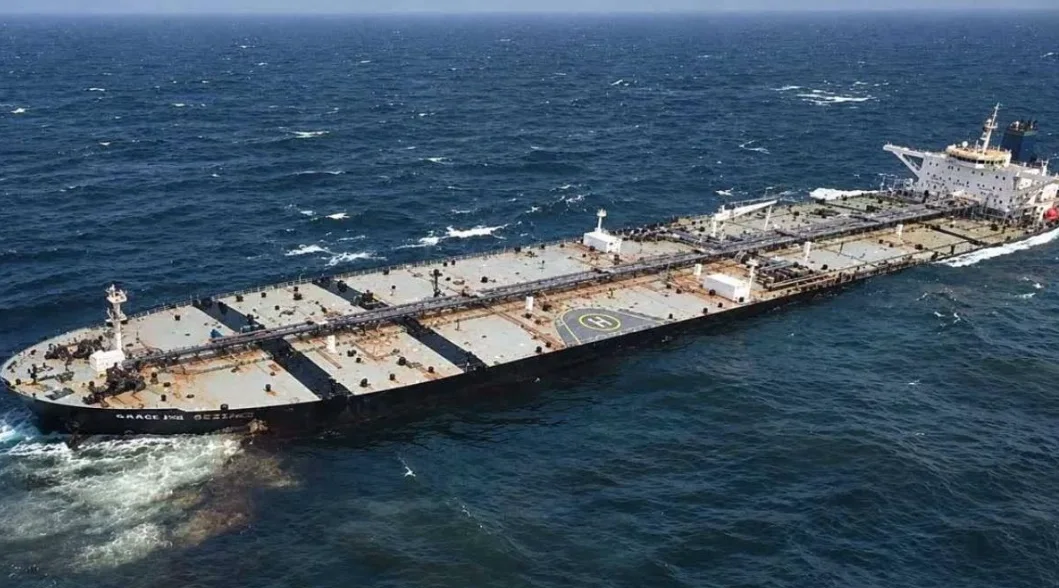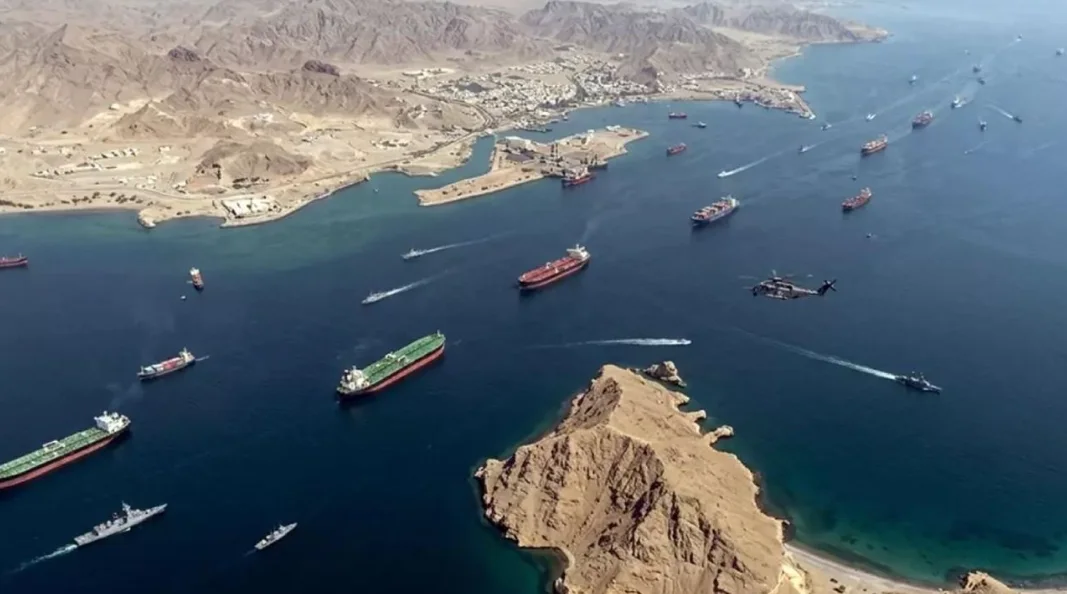
A commercial energy vessel came under missile attack early Saturday while navigating the Strait of Hormuz, adding another dangerous episode to the conflict surrounding the strategically vital waterway.
The United Arab Emirates said the targeted ship belonged to ADNOC, its government-owned oil and gas company. Emirati officials blamed Iran for the strike, describing it as part of a continuing campaign against commercial vessels. Iran had not publicly responded to the specific allegation at the time of the initial reports.
ADNOC said its crew survived without injuries. The company did not immediately disclose the ship’s name, the precise location of the attack or the extent of any physical damage.
Maritime authorities separately received a report that a projectile had struck a vessel east of Khasab, Oman. The impact reportedly caused a fire, but the flames were extinguished and the crew remained safe. It was not immediately confirmed whether this alert concerned the same ADNOC vessel.
The attack occurred as negotiations over the future of the Strait of Hormuz entered an increasingly uncertain stage. Iran announced new conditions for restoring normal passage, including an end to the American naval blockade, the withdrawal of US forces from the region, sanctions relief and compensation for wartime damage.
This narrow channel carries a crucial share of the world’s traded oil and liquefied natural gas. Any sustained disruption can delay shipments, increase insurance costs and push energy prices higher far beyond the Middle East.
ADNOC said more than a dozen of its vessels had been targeted with missiles or drones since the conflict involving Iran, the United States and Israel began in February. The company reported that those earlier attacks had collectively killed one crew member and injured 20 others.
Although Saturday’s crew escaped unharmed, the strike sent a disturbing message: even vessels operated by one of the Gulf’s largest energy companies remain exposed. Shipping companies now face the difficult choice of continuing through a hazardous corridor, accepting more expensive protection and insurance, or diverting vessels onto longer routes.