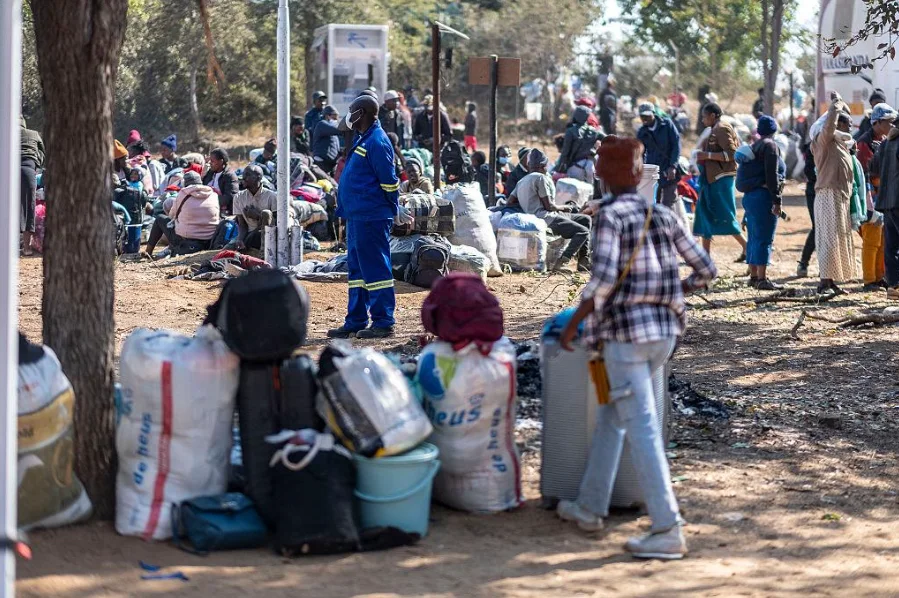
Southern Africa is confronting one of its largest recent cross-border population movements after governments confirmed that more than 178,000 migrants had returned from South Africa to their countries of origin.
Zimbabwe recorded the largest influx, with more than 115,000 citizens returning since late May. Malawi reported over 56,000 returnees, while Nigeria, Ghana, Mozambique and Lesotho each received more than 1,000 people.
Although the overall figure includes officially ordered removals, most migrants reportedly departed through voluntary repatriation programs. South African authorities said approximately 19,000 people had been formally deported since April, while thousands more chose to leave amid immigration raids and growing uncertainty.
Behind the numbers is an escalating human crisis. Advocacy organizations say children have been abruptly removed from schools, families have abandoned homes and jobs, and some people receiving HIV treatment have crossed borders without an uninterrupted supply of essential medication.
Anti-immigration demonstrations and unofficial document checks have intensified the fear. Migrants including some legally residing in South Africa have reported threats, attacks and damage to homes or businesses. Authorities are investigating several deaths, although the circumstances and possible connection to anti-migrant violence remain disputed.
The departures are also beginning to affect South Africa’s economy. Farms, restaurants, construction companies and clothing factories have lost workers, including people with specialized skills that employers say may be difficult to replace quickly.
Neighbouring governments now face the challenge of accommodating large numbers of returnees who may arrive without secure housing, employment or access to healthcare. Humanitarian groups warn that receiving communities could come under significant pressure if the movement continues.