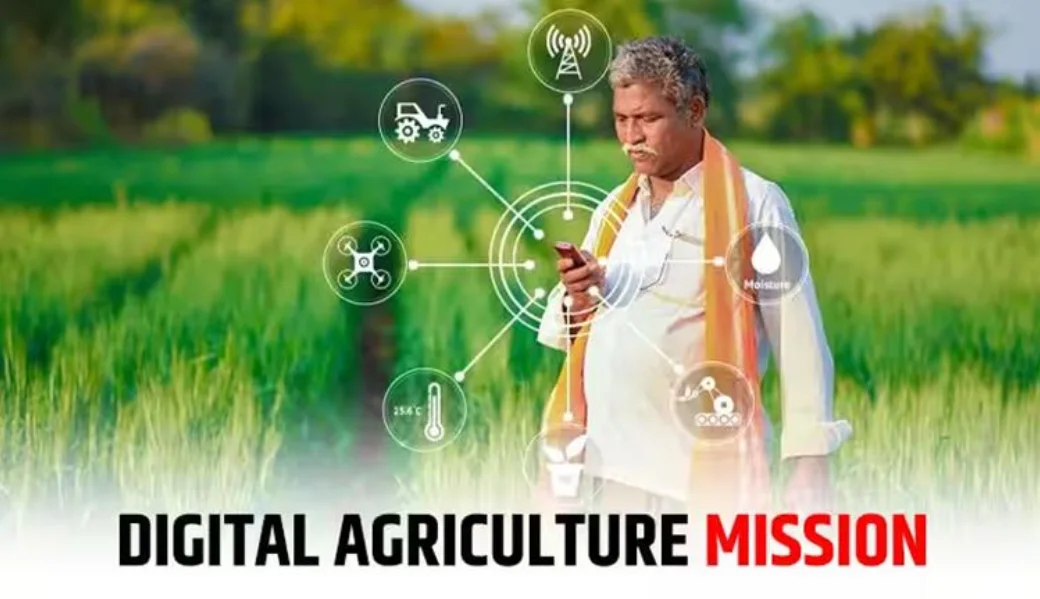
India is continuing the implementation of its Digital Agriculture Mission, a nationwide programme designed to transform farming through advanced digital technologies. The initiative integrates artificial intelligence, satellite imagery, drones, geographic information systems (GIS), and digital farmer databases to improve agricultural planning and decision-making.
Under the programme, farmers will gain access to digital crop monitoring, weather forecasting, pest and disease alerts, soil health information, and precision farming tools. These technologies are expected to help farmers increase yields, reduce unnecessary use of fertilizers and pesticides, conserve water, and improve resilience to climate change.
Government officials say the mission also aims to improve agricultural supply chains by digitizing farm records and strengthening connections between farmers, financial institutions, insurers, and agricultural markets. Better access to digital services is expected to make it easier for farmers to obtain credit, crop insurance, and government support while improving transparency across the agricultural sector.
Agricultural experts have described the Digital Agriculture Mission as one of the world's most ambitious smart farming initiatives. As climate change and food demand continue to place pressure on global agriculture, the programme is expected to position India as a leader in technology-driven farming while contributing to higher productivity, improved rural incomes, and stronger long-term food security.